


Predictors of poor functional outcomes and mortality in patients with hip fracture: a systematic review
- PMID: 31775693
- PMCID: PMC6882152
- DOI: 10.1186/s12891-019-2950-0
Predictors of poor functional outcomes and mortality in patients with hip fracture: a systematic review
Abstract
Background: Hip fracture is an important and prevalent medical condition associated with adverse outcomes. The aim of this article is to systematically review and summarise the predictors of poor functional outcomes and mortality for patients with hip fractures.
Methods: We conducted a systemic literature search using PubMed, EMBASE and Cochrane Library. We included English peer-reviewed cohort studies that examined predictors of poor functional outcomes (such as independence in Activities of Daily Living) and mortality for patients with hip fracture published in the past 15 years (from 1 Jan 2004 up to 30 May 2019). Two independent researchers evaluated the articles for eligibility. Consensus on the eligibility was sought and a third researcher was involved if there was disagreement. A standardised form was used to extract relevant data. The Newcastle-Ottawa Scale (NOS) was used to assess the quality of the included studies.
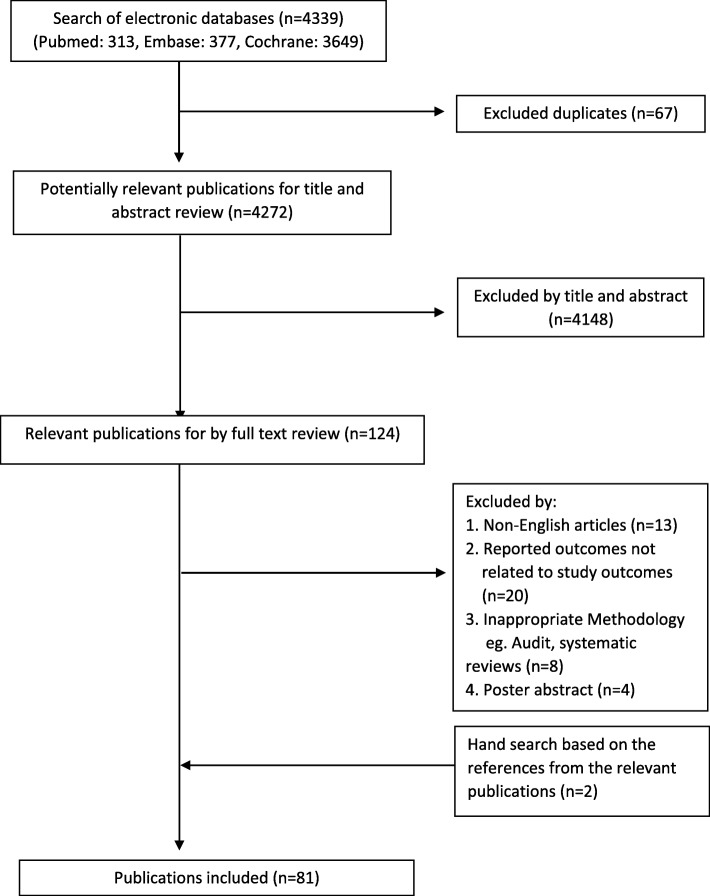
Results: We retrieved 4339 and included 81 articles. We identified two emerging predictors of poor functional outcomes and mortality for patients with hip fractures: low hand grip strength and frailty in line with an emerging concept of "physical performance". The predictors identified in this systematic review can be grouped into 1) medical factors, such as presence of co-morbidities, high American Society of Anesthesiologists (ASA) grade, sarcopenia, 2) surgical factors including delay in operation (e.g. > 48 h), type of fracture s, 3) socio-economic factors which include age, gender, ethnicity, and 4) system factors including lower case-volume centers.
Conclusions: This systematic review identified multiple significant predictors of poor functional outcomes and mortality, with the hand grip strength and frailty being important emerging predictors in the most recent literature. These predictors would further inform healthcare providers of their patients' health status and allow for early intervention for modifiable predictors.
Keywords: Functional outcomes; Hip fractures; Mortality; Predictors.
Conflict of interest statement
The authors declare that they have no competing interests.
References
-
- Leibson Cynthia L., Tosteson Anna N. A., Gabriel Sherine E., Ransom Jeanine E., Melton L. Joseph. Mortality, Disability, and Nursing Home Use for Persons with and without Hip Fracture: A Population‐Based Study. Journal of the American Geriatrics Society. 2002;50(10):1644–1650. doi: 10.1046/j.1532-5415.2002.50455.x. - DOI - PubMed
Publication types
MeSH terms
LinkOut - more resources
Full Text Sources
Medical
Miscellaneous
