


Tripsazea, a Novel Trihybrid of Zea mays, Tripsacum dactyloides, and Zeaperennis
- PMID: 31792004
- PMCID: PMC7003090
- DOI: 10.1534/g3.119.400942
Tripsazea, a Novel Trihybrid of Zea mays, Tripsacum dactyloides, and Zeaperennis
Abstract
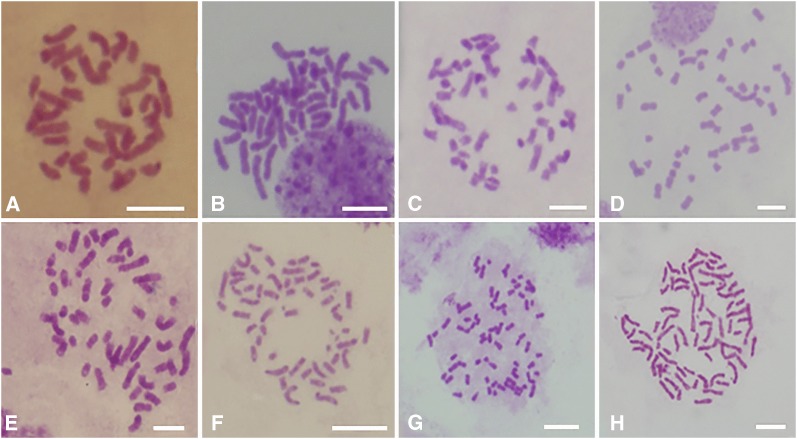
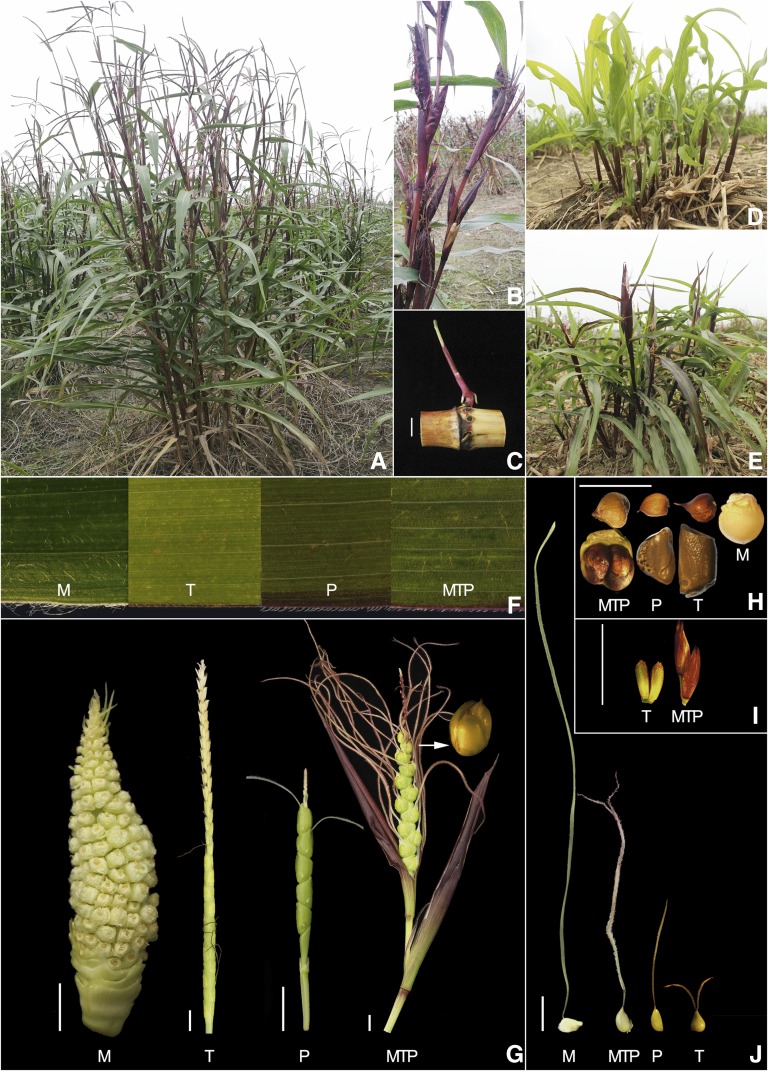
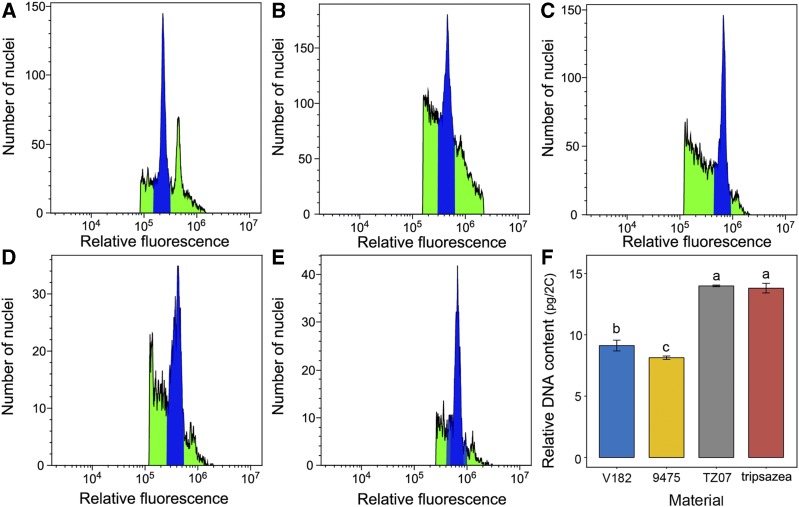
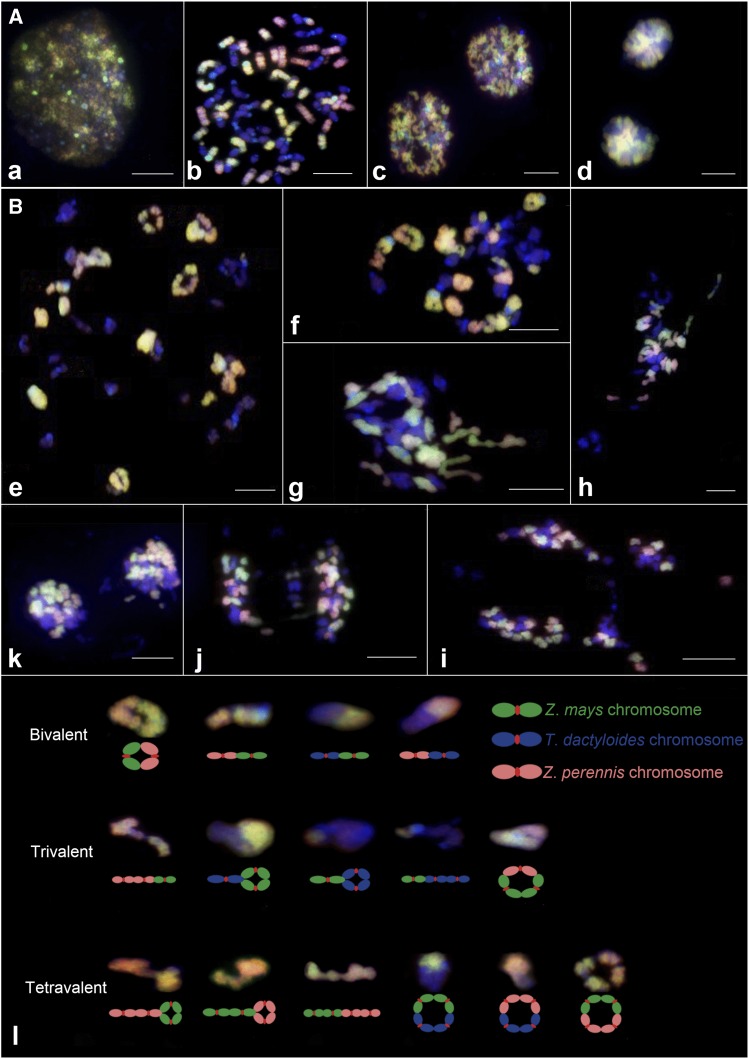
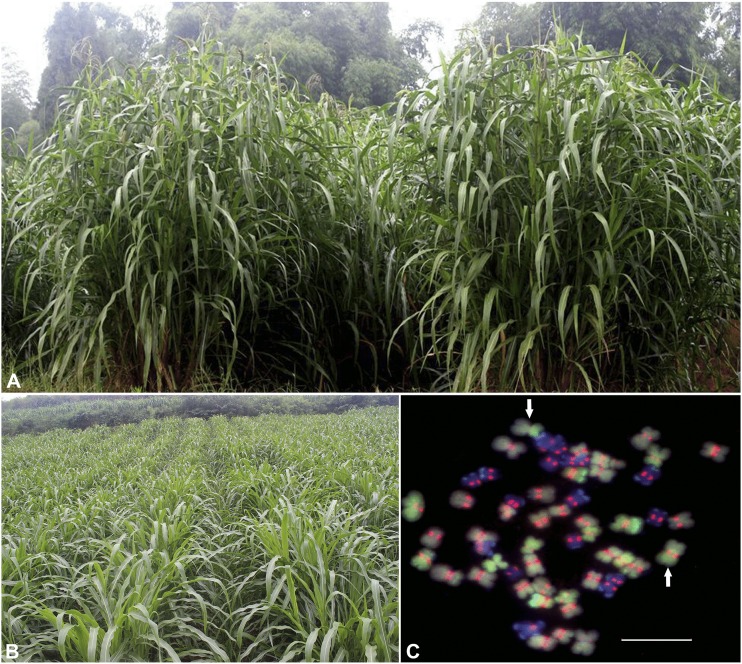
A trispecific hybrid, MTP (hereafter called tripsazea), was developed from intergeneric crosses involving tetraploid Zea mays (2n = 4x = 40, genome: MMMM), tetraploid Tripsacum dactyloides (2n = 4x = 72, TTTT), and tetraploid Zperennis (2n = 4x = 40, PPPP). On crossing maize-Tripsacum (2n = 4x = 56, MMTT) with Zperennis, 37 progenies with varying chromosome numbers (36-74) were obtained, and a special one (i.e., tripsazea) possessing 2n = 74 chromosomes was generated. Tripsazea is perennial and expresses phenotypic characteristics affected by its progenitor parent. Flow cytometry analysis of tripsazea and its parents showed that tripsazea underwent DNA sequence elimination during allohexaploidization. Of all the chromosomes in diakinesis I, 18.42% participated in heterogenetic pairing, including 16.43% between the M- and P-genomes, 1.59% between the M- and T-genomes, and 0.39% in T- and P-genome pairing. Tripsazea is male sterile and partly female fertile. In comparison with previously synthesized trihybrids containing maize, Tripsacum and teosinte, tripsazea has a higher chromosome number, higher seed setting rate, and vegetative propagation ability of stand and stem. However, few trihybrids possess these valuable traits at the same time. The potential of tripsazea is discussed with respect to the deployment of the genetic bridge for maize improvement and forage breeding.
Keywords: Tripsacum dactyloides; Zea mays; Zea perennis; forage breeding; maize improvement; trihybrid.
Copyright © 2020 Yan et al.
Figures
References
-
- Bennetzen J. L., Buckler E. , Chandler V. , Doebley J., Dorweiler J. et al. , 2001. Genetic evidence and the origin of maize. Lat. Am. Antiq. 12: 84–86. 10.2307/971759 - DOI
-
- Cheng M., Zheng M., Yang S., Li Y., Dong X. et al. , 2016. The effect of different genome and cytoplasm on meiotic pairing in maize newly synthetic polyploids. Euphytica 207: 593–603. 10.1007/s10681-015-1552-7 - DOI
-
- De Wet J. M. J., Lambert R. J., Harlan J. R., and Naik S. M., 1970. Stable triploid hybrids among Zea-Tripsacum-Zea back-cross populations. Caryologia 23: 183–187.
Publication types
MeSH terms
LinkOut - more resources
Full Text Sources