


Attenuation of Benign Prostatic Hyperplasia by Optimized Tadalafil Loaded Pumpkin Seed Oil-Based Self Nanoemulsion: In Vitro and In Vivo Evaluation
- PMID: 31805693
- PMCID: PMC6955804
- DOI: 10.3390/pharmaceutics11120640
Attenuation of Benign Prostatic Hyperplasia by Optimized Tadalafil Loaded Pumpkin Seed Oil-Based Self Nanoemulsion: In Vitro and In Vivo Evaluation
Retraction in
-
RETRACTED: Alhakamy et al. Attenuation of Benign Prostatic Hyperplasia by Optimized Tadalafil Loaded Pumpkin Seed Oil-Based Self Nanoemulsion: In Vitro and In Vivo Evaluation. Pharmaceutics 2019, 11, 640.Pharmaceutics. 2023 Nov 22;15(12):2654. doi: 10.3390/pharmaceutics15122654. Pharmaceutics. 2023. PMID: 38140136 Free PMC article.
Abstract
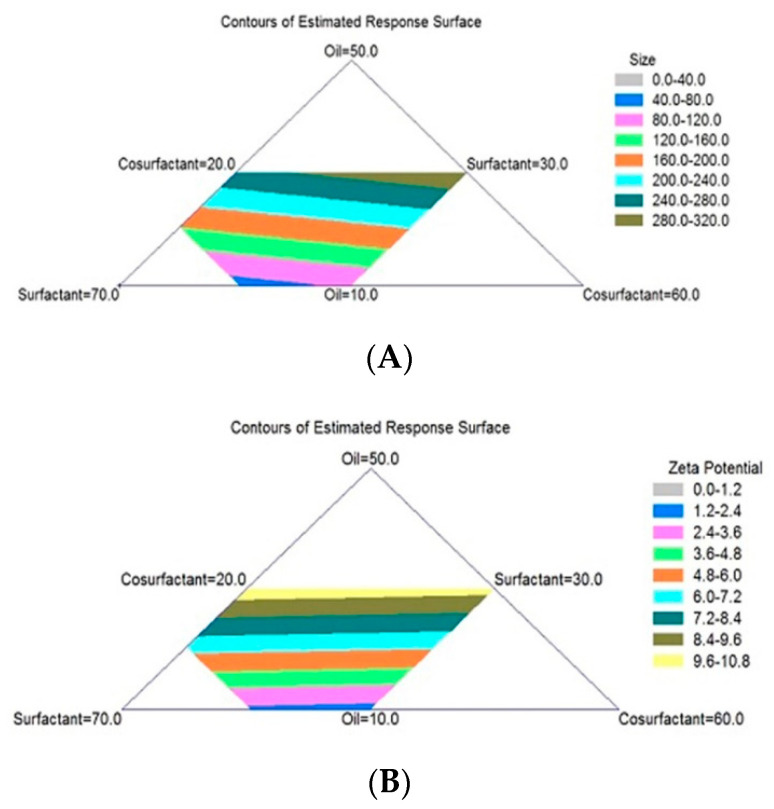
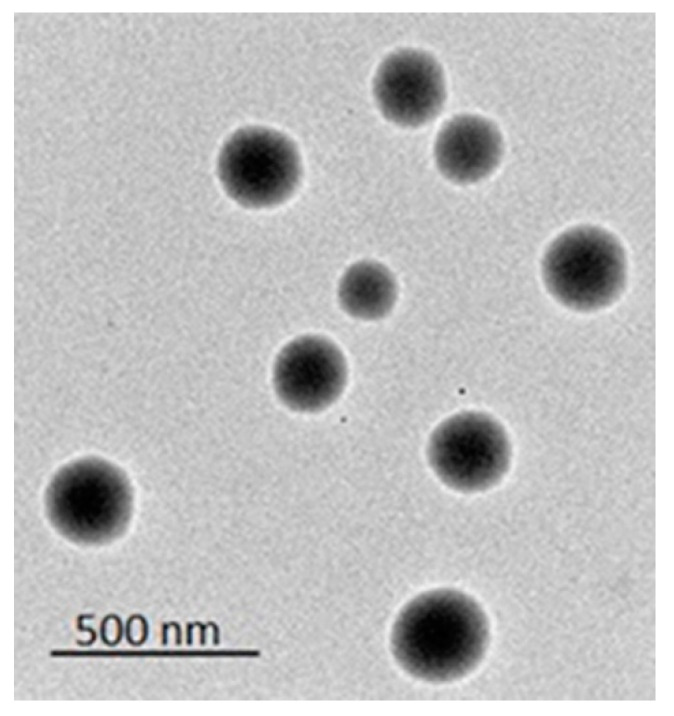
The FDA has approved tadalafil (TDL) for the treatment of benign prostatic hyperplasia (BPH)-associated symptoms. Pumpkin seed oil (PSO) has shown promise for the relief of prostatitis-related lower urinary tract symptoms. The aim was to improve TDL delivery to the prostate and assess the combined effect of TDL with a PSO-based formula in the management of BPH. PSO, Tween 80, and polyethylene glycol 200 were selected for the optimization of self nano-emulsified drug delivery system (SNEDDS). The formed vesicles were assessed for their globule size and zeta potential. A rat in vivo study was carried out to investigate prostate weight and index, histopathology, and pharmacokinetics. The average globule size for the optimized TDL-PSO SNEDDS was 204.8 ± 18.76 nm, with a zeta-potential value of 7.86 ± 1.21 mV. TDL-PSO SNEDDS produced a marked drop in prostate weight by 35.51% and prostate index by 36.71% compared to the testosterone-only group. Pharmacokinetic data revealed a 2.3-fold increase of TDL concentration, from optimized TDL-PSO SNEDDS, in the prostate compared with the raw TDL group. This study indicated that the combination of TDL and PSO in an optimized TDL PSO SNEDDS formula improved the efficacy of TDL in the management of BPH.
Keywords: PDE5 inhibitors; alternative medicine; hyperplasia; mixture design; noncarcinogenic behavior; pharmacokinetics; prostate enlargement.
Conflict of interest statement
The authors declare no conflict of interest. The funders had no role in the design of the study; in the collection, analyses, or interpretation of data; in the writing of the manuscript, or in the decision to publish the results.
Figures


References
-
- Damiano R., Cai T., Fornara P., Franzese C.A., Leonardi R., Mirone V. The role of Cucurbita pepo in the management of patients affected by lower urinary tract symptoms due to benign prostatic hyperplasia: A narrative review. Arch. Ital. Di Urol. E Androl. 2016;88:136–143. doi: 10.4081/aiua.2016.2.136. - DOI - PubMed
-
- Vignozzi L., Gacci M., Cellai I., Morelli A., Maneschi E., Comeglio P., Santi R., Filippi S., Sebastianelli A., Nesi G., et al. PDE5 inhibitors blunt inflammation in human BPH: A potential mechanism of action for PDE5 inhibitors in LUTS. Prostate. 2013;73:1391–1402. doi: 10.1002/pros.22686. - DOI - PubMed
-
- Jin S., Xiang P., Liu J., Yang Y., Hu S., Sheng J., He Q., Yu W., Han W., Jin J., et al. Activation of cGMP/PKG/p65 signaling associated with PDE5-Is downregulates CCL5 secretion by CD8 + T cells in benign prostatic hyperplasia. Prostate. 2019;79:909–919. doi: 10.1002/pros.23801. - DOI - PMC - PubMed
Publication types
Grants and funding
LinkOut - more resources
Full Text Sources
