Review
. 2019 Dec;25(12):1822-1832.
doi: 10.1038/s41591-019-0675-0. Epub 2019 Dec 5.

Chronic inflammation in the etiology of disease across the life span

Affiliations
Review

Chronic inflammation in the etiology of disease across the life span

David Furman et al. Nat Med. 2019 Dec.

Abstract

Although intermittent increases in inflammation are critical for survival during physical injury and infection, recent research has revealed that certain social, environmental and lifestyle factors can promote systemic chronic inflammation (SCI) that can, in turn, lead to several diseases that collectively represent the leading causes of disability and mortality worldwide, such as cardiovascular disease, cancer, diabetes mellitus, chronic kidney disease, non-alcoholic fatty liver disease and autoimmune and neurodegenerative disorders. In the present Perspective we describe the multi-level mechanisms underlying SCI and several risk factors that promote this health-damaging phenotype, including infections, physical inactivity, poor diet, environmental and industrial toxicants and psychological stress. Furthermore, we suggest potential strategies for advancing the early diagnosis, prevention and treatment of SCI.


Figures
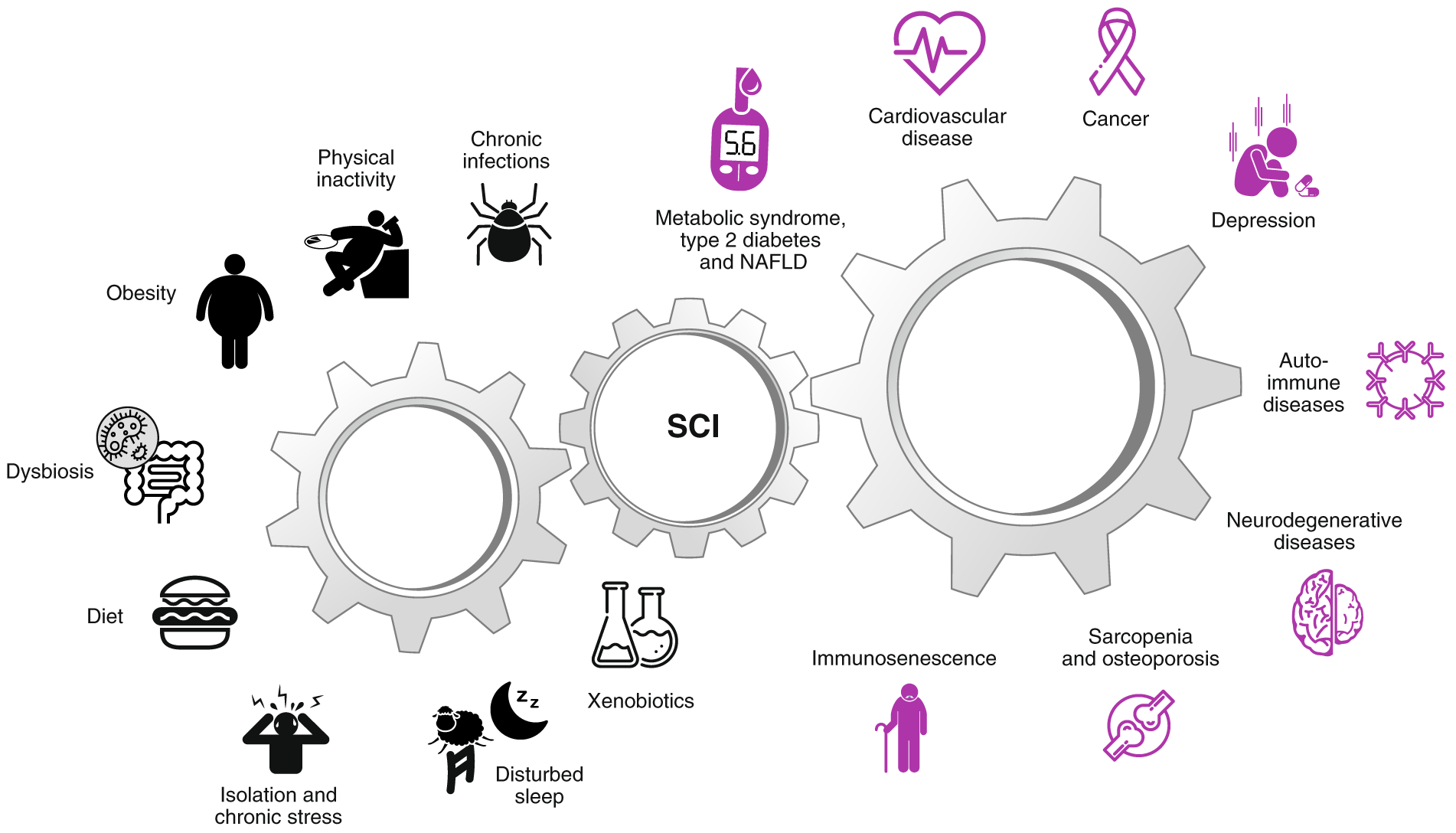
Fig. 1 |
Fig. 1 |. Causes and consequences of low-grade systemic chronic inflammation.
Several causes of low-grade systemic chronic inflammation (SCI) and their consequences have been identified. As shown on the left, the most common triggers of SCI (in counter-clockwise direction) include chronic infections, physical inactivity, (visceral) obesity, intestinal dysbiosis, diet, social isolation, psychological stress, disturbed sleep and disrupted circadian rhythm, and exposure to xenobiotics such as air pollutants, hazardous waste products, industrial chemicals and tobacco smoking. As shown on the right, the consequences of SCI (in clockwise direction) include metabolic syndrome, type 2 diabetes, non-alcoholic fatty liver disease (NAFLD), cardiovascular disease, cancer, depression, autoimmune diseases, neurodegenerative diseases, sarcopenia, osteoporosis and immunosenescence.
Fig. 2 |
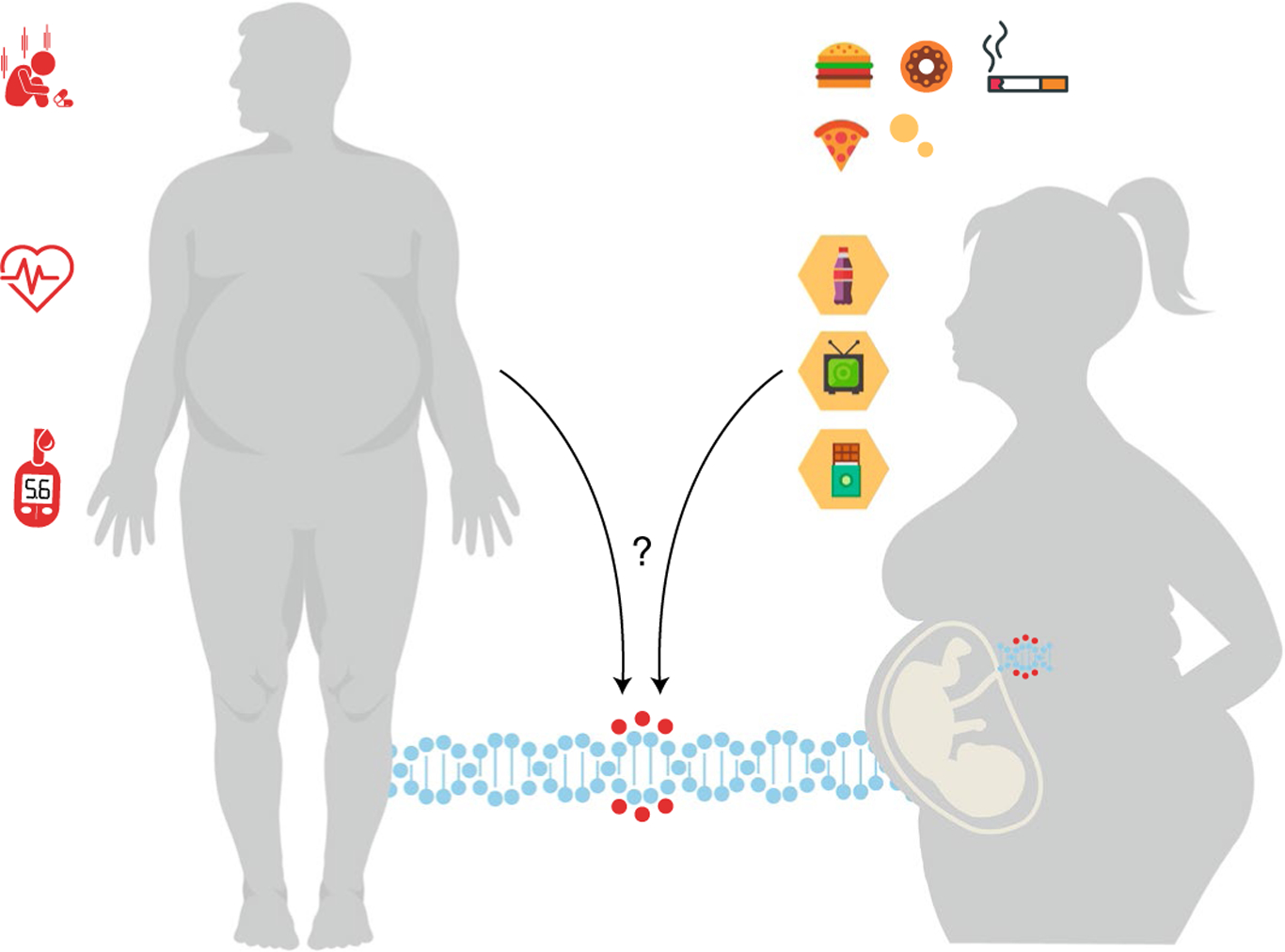
Fig. 2 |. The maternal exposome and low-grade systemic chronic inflammation.
Maternal lifestyle and environmental exposures—collectively referred to as the exposome—include diet, physical activity, psychological stress and exposure to various xenobiotics, such as pollutants and smoking during intrauterine life. These factors in turn can influence the programming of the immune system of the offspring, potentially leading to a more pro-inflammatory phenotype later in life. Relevant factors, including environmental factors such as poor access to healthy food, housing insecurity, psychological stress and polluted air, lead to a mother giving birth to a fetus with epigenetic marks that increase the child’s risk for obesity, low-grade SCI and its associated consequences in adolescence and adulthood.
Fig. 3 |
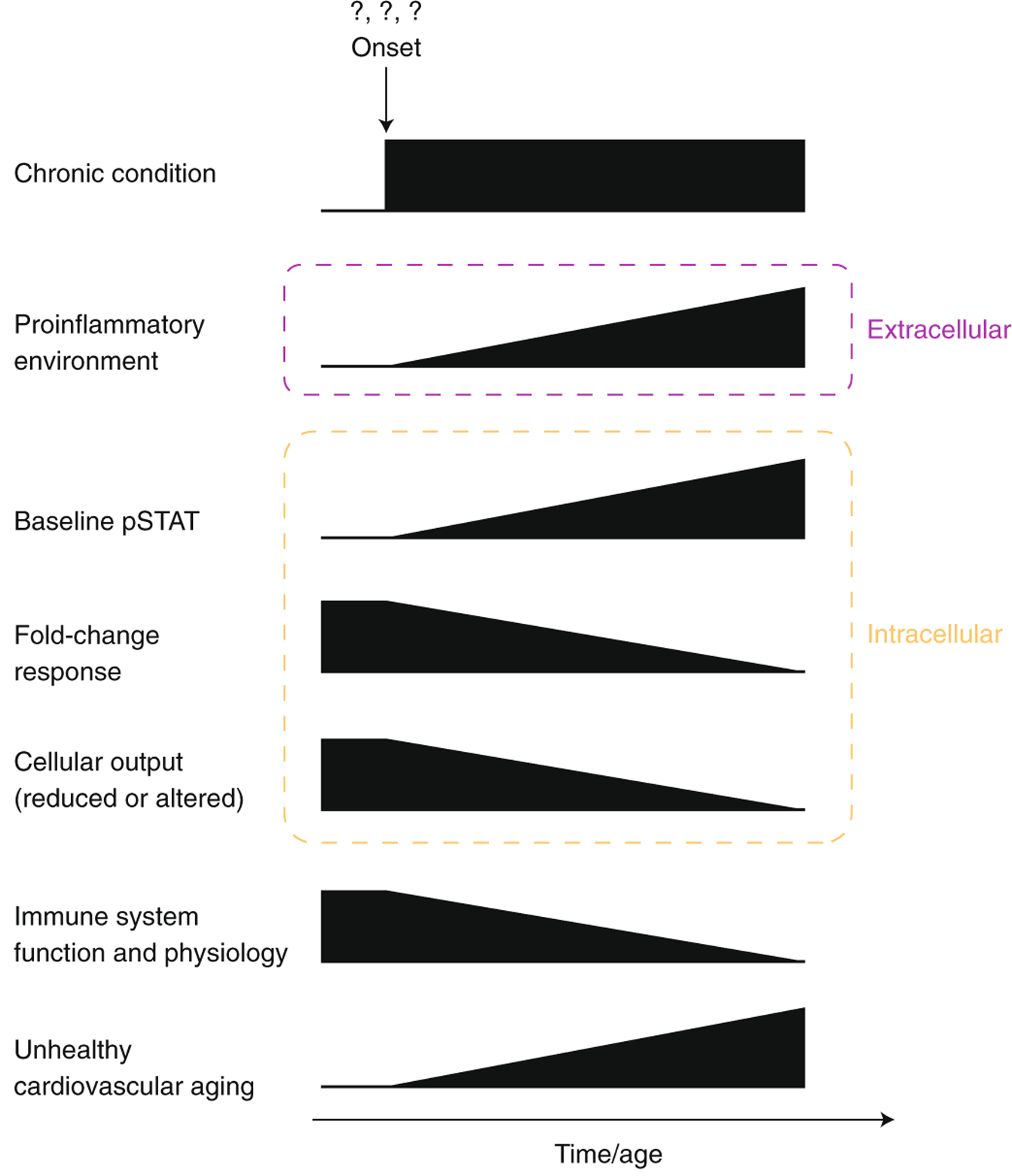
Fig. 3 |. Inflammatory model of immunosenescence and chronic disease.
This proposed model associates elevated baseline phosphorylated signaling proteins (for example, phosphorylated STAT (pSTAT) levels) with cellular unresponsiveness and chronically elevated inflammatory activity. The model involves an elevation of baseline pSTAT levels and its association with hallmark phenomenon of immunosenescence, an increased pro-inflammatory environment, unresponsive cells and a clinical impact on immune response. (Adapted with permission from ref., Elsevier.)

References

    1. Furman D et al. Expression of specifc inflammasome gene modules stratifies older individuals into two extreme clinical and immunological states. Nat. Med 23, 174–184 (2017). - PMC - PubMed
    1. Netea MG et al. A guiding map for inflammation. Nat. Immunol 18, 826–831 (2017). - PMC - PubMed
    1. Slavich GM Understanding inflammation, its regulation, and relevance for health: a top scientific and public priority. Brain Behav. Immun 45, 13–14 (2015). - PMC - PubMed
    1. Bennett JM, Reeves G, Billman GE & Sturmberg JP Inflammation–nature’s way to efficiently respond to all types of challenges: implications for understanding and managing “the epidemic” of chronic diseases. Front. Med 5, 316 (2018). - PMC - PubMed
    1. GBD 2017 Causes of Death Collaborators. Global, regional, and national age-sex-specific mortality for 282 causes of death in 195 countries and territories, 1980–2017: a systematic analysis for the Global Burden of Disease Study 2017. Lancet 392, 1736–1788 (2018). - PMC - PubMed

Publication types

MeSH terms