Review
. 2020 Jan;41(1):13-26.
doi: 10.1016/j.tips.2019.11.002. Epub 2019 Dec 7.

Targeting Bacterial Genomes for Natural Product Discovery

Affiliations
Review

Targeting Bacterial Genomes for Natural Product Discovery

Edward Kalkreuter et al. Trends Pharmacol Sci. 2020 Jan.

Abstract

Bacterial natural products (NPs) and their analogs constitute more than half of the new small molecule drugs developed over the past few decades. Despite this success, interest in natural products from major pharmaceutical companies has decreased even as genomics has uncovered the large number of biosynthetic gene clusters (BGCs) that encode for novel natural products. To date, there is still a lack of universal strategies and enabling technologies to discover natural products at scale and speed. This review highlights several of the opportunities provided by genome sequencing and bioinformatics, challenges associated with translating genomes into natural products, and examples of successful strain prioritization and BGC activation strategies that have been used in the genomic era for natural product discovery from cultivatable bacteria.

Keywords: biosynthetic gene clusters; drug discovery; genome mining; natural products; nonribosomal peptides; polyketides.


Figures

Figure 1:
Figure 1:. Untapped potential of bacterial genomes.
(A) The diversity of sequenced genomes in the NCBI database sorted by phyla. (B) The genome of the model organism Streptomyces avermitilis is depicted with the locations of 40 putative BGCs indicated. Gray arrows (23) designate orphan BGCs, while blue arrows (17) link a BGC with the structure of its NP.
Figure 2, Key Figure:
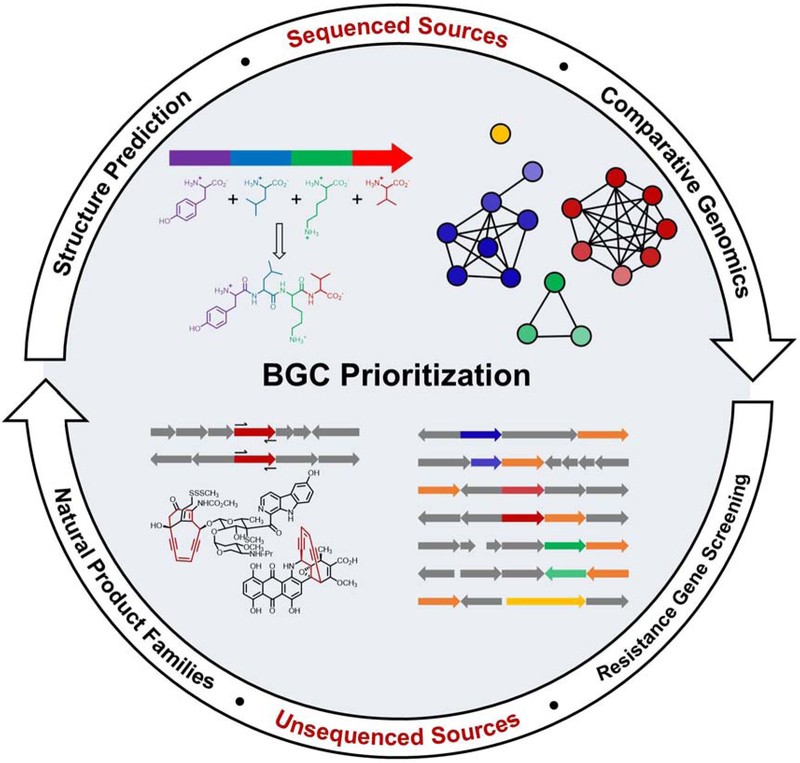
Figure 2, Key Figure:. Strategies for natural product discovery.
The schematic depicts the general strategies that are available to identify and prioritize BGCs from sequenced (top half) and unsequenced (bottom half) sources. Partial structural predictions are possible for some enzymes, purely from sequencing data, such as for the depicted hypothetical NRPS in which each module, represented by a different color, can incorporate a corresponding amino acid into the final structure. A series of computational tools exist for identifying and comparing individual genes or BGCs, e.g. an SSN, where each color represents a different family of genes or proteins. From unsequenced strain collections, new candidate BGCs can be prioritized via rt-PCR screening based on information obtained from sequenced genomes, such as those from promising NP families (e.g., the enediynes, whose core structure is highlighted in red), or through resistance gene-guided assays (orange genes) for target prediction. Once an unsequenced strain has been selected, the accessibility of genome sequencing provides the ability to feed back into the sequenced databases and identify a specific BGC.
Figure 3:
Figure 3:. Discovery of the leinamycin family of NPs.
(A) The lnm core biosynthetic genes are depicted with the color representing the encoded enzyme type: NRPS (blue), PKS (red), and the DUF-SH didomain (green). The structure of LNM is also shown with its colors corresponding to the biosynthetic origin of the specific molecular region. The variability of the core structure is organized by module based on the predicted products of the 49 lnm-type BGCs discovered. (B) Approximately 200,000 bacterial genomes were searched in silico for sequences containing a DUF-SH didomain, resulting in the identification of 19 lnm-type BGCs and the design of degenerate primers for the PCR-guided discovery of lnm-type BGCs from unsequenced strains. (C) Rt-PCR of the DUF-SH didomain in 5,000 unsequenced Actinobacteria resulted in the further identification of 30 more lnm-type BGCs. (D) Two novel LNM-type NPs, guangnanmycin A and weishanmycin A1, were isolated as representatives from 2 of the 18 LNM-type clades. The sulfurs highlighted in green are predicted to be installed by DUF-SH didomains.
Figure 4:
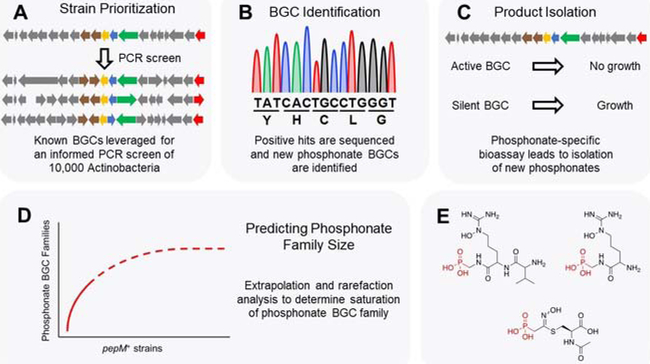
Figure 4:. Genome mining of phosphonate NPs.
(A) A PCR screen targeting the pepM gene was used to identify phosphonate BGCs from 10,000 Actinobacteria. (B) Hit strains from the PCR screen were sequenced and phosphonate BGCs identified therein. (C) Extracts from strains containing phosphonate BGCs were assayed with an engineered E. coli strain hypersensitive to phosphonates. (D) Bioinformatics and statistics were used to map the diversity of phosphonate BGCs and to extrapolate how much phosphonate diversity remains in Actinobacteria. (E) Examples of novel phosphonate compounds isolated from genome mining are shown.
Figure 5:
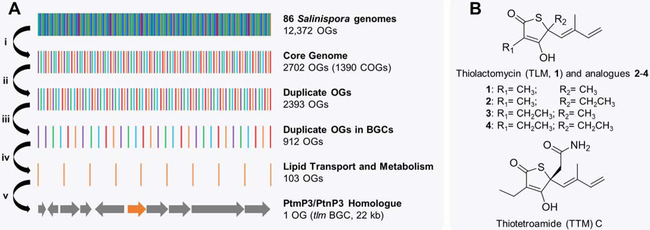
Figure 5:. Discovery of thiotetronic acid antibiotics.
(A) The tlm BGC was prioritized by searching through the Salinispora pan-genome for duplicated housekeeping genes for BGCs as depicted. First, the core OGs present in all Salinispora were identified and grouped by similarity (i). Any duplicated OGs from the core genome were then examined (ii), and those found within predicted BGCs were analyzed (iii). Further categorization and prioritization yielded a single homologue, located within the tlm BGC (iv and v). (B) The structures of several known and novel thiotetronic acid NPs isolated using this method are shown.
Box 1, Figure I:
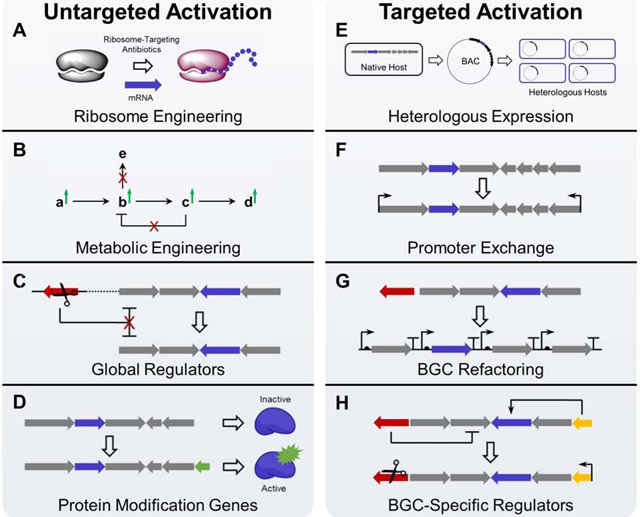
Box 1, Figure I:. Strategies for BGC activation.
Untargeted strategies are illustrated in the left panel (parts A-D), and targeted strategies are illustrated in the right panel (parts E-H). Genes are color-coded as follows: core biosynthetic genes (blue), negative regulatory genes (red), protein modification genes (green), and positive regulatory genes (orange).

References

    1. Newman DJ and Cragg GM (2016) Natural Products as Sources of New Drugs from 1981 to 2014. J Nat Prod 79 (3), 629–661. - PubMed
    1. Shen B (2015) A New Golden Age of Natural Products Drug Discovery. Cell 163 (6), 1297–300. - PMC - PubMed
    1. Newman DJ and Cragg GM (2016) Natural Products as Sources of New Drugs from 1981 to 2014. Journal of Natural Products 79 (3), 629–661. - PubMed
    1. Katz L and Baltz RH (2016) Natural product discovery: past, present, and future. J Ind Microbiol Biotechnol 43 (2-3), 155–76. - PubMed
    1. Pye CR et al. (2017) Retrospective analysis of natural products provides insights for future discovery trends. Proceedings of the National Academy of Sciences 114 (22), 5601–5606. - PMC - PubMed

Publication types

MeSH terms

Substances