


Novel Bacteria-Immobilized Cellulose Acetate/Poly(ethylene oxide) Nanofibrous Membrane for Wastewater Treatment
- PMID: 31831778
- PMCID: PMC6908692
- DOI: 10.1038/s41598-019-55265-w
Novel Bacteria-Immobilized Cellulose Acetate/Poly(ethylene oxide) Nanofibrous Membrane for Wastewater Treatment
Abstract
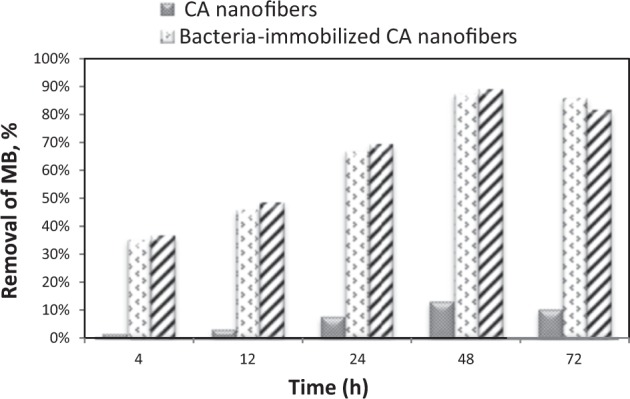
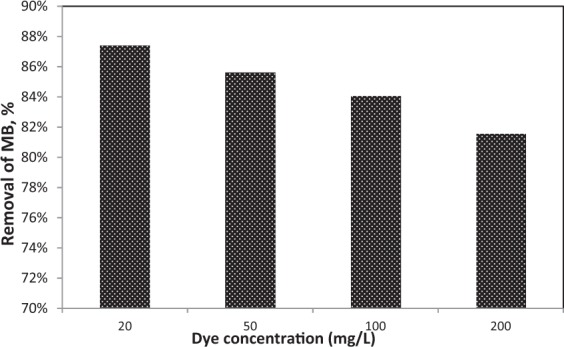
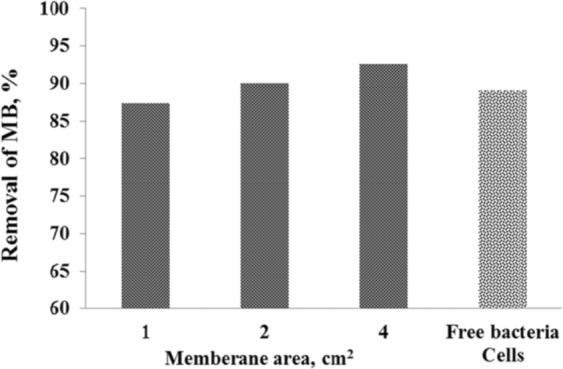
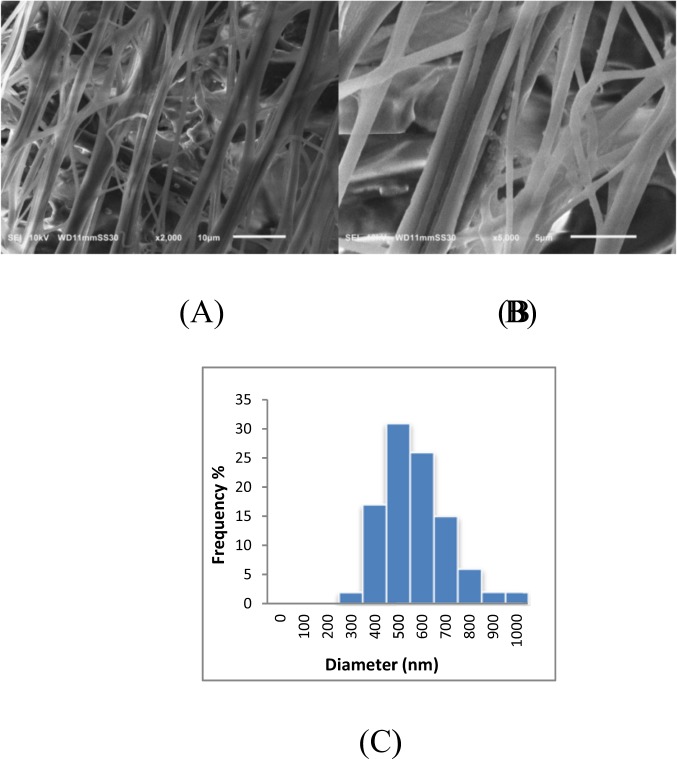
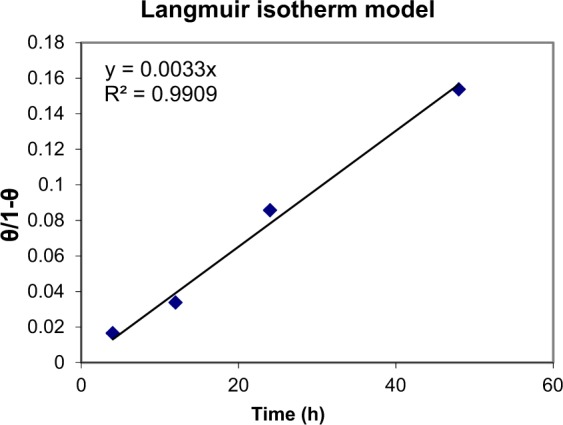
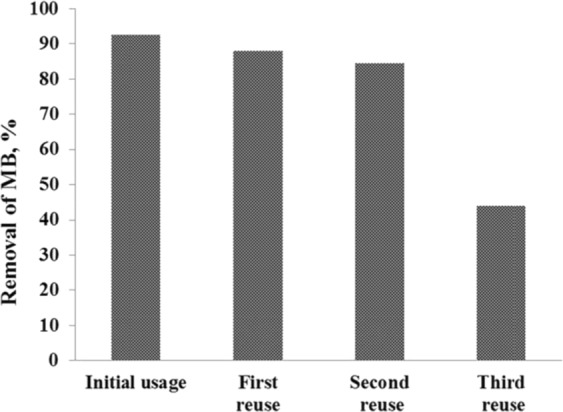
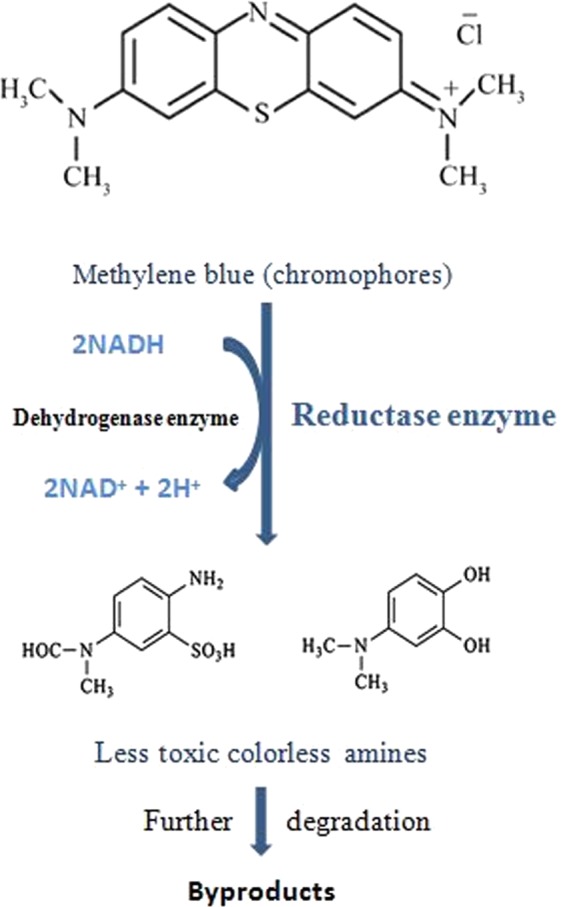
In this study, electrospun cellulose acetate - poly(ethylene oxide) nanofibrous membrane was found to be unique in immobilizing bacterial cells. Here, removal of methylene blue in aqueous media was achieved by using isolated species of bacteria (Bacillus paramycoides) from industrial wastewater and immobilized on cellulose acetate- poly(ethylene oxide) nanofibers using DMSO as a solvent. The decolorization time was varied from 0 to 72 h, different dye concentrations from 20 to 200 mg/L and bacterial cells count was investigated to achieve the maximum MB removal by bacteria-immobilized CA/PEO nanofibrous membrane. The effective dye decolorization was achieved within 48 h and MB removal % was around 93%. Furthermore, reusability of the bacteria-immobilized CA/PEO nanofibrous membrane was tested. It was found that after the 4th usage, 44% of the dye decolorization capacity still could be achieved. These results are promising and suggest that bacteria-immobilized CA/PEO nanofibrous membrane could be economically feasible and eco-friendly when used in MB removal from industrial wastewater. Combination of both adsorption and biodegradation methods was found to be effective in MB removal from aqueous media.
Conflict of interest statement
The authors declare no competing interests.
Figures
References
-
- Saratale RG, Saratale GD, Chang JS, Govindwar SP. Bacterial decolorization and degradation of azo dyes: A review. J. Taiwan Inst. Chem. Eng. 2011;42:138–157. doi: 10.1016/j.jtice.2010.06.006. - DOI
-
- Pirkarami A, Olya ME. Removal of dye from industrial wastewater with an emphasis on improving economic efficiency and degradation mechanism. J. Saudi Chem. Soc. 2017;21:S179–S186. doi: 10.1016/j.jscs.2013.12.008. - DOI
MeSH terms
Substances
LinkOut - more resources
Full Text Sources
Miscellaneous
