Review
. 2019 Nov 21:23:20.
doi: 10.1186/s40824-019-0166-x. eCollection 2019.

Therapeutic efficacy of nanoparticles and routes of administration

Affiliations
Review

Therapeutic efficacy of nanoparticles and routes of administration

Dhrisya Chenthamara et al. Biomater Res. .

Abstract

In modern-day medicine, nanotechnology and nanoparticles are some of the indispensable tools in disease monitoring and therapy. The term "nanomaterials" describes materials with nanoscale dimensions (< 100 nm) and are broadly classified into natural and synthetic nanomaterials. However, "engineered" nanomaterials have received significant attention due to their versatility. Although enormous strides have been made in research and development in the field of nanotechnology, it is often confusing for beginners to make an informed choice regarding the nanocarrier system and its potential applications. Hence, in this review, we have endeavored to briefly explain the most commonly used nanomaterials, their core properties and how surface functionalization would facilitate competent delivery of drugs or therapeutic molecules. Similarly, the suitability of carbon-based nanomaterials like CNT and QD has been discussed for targeted drug delivery and siRNA therapy. One of the biggest challenges in the formulation of drug delivery systems is fulfilling targeted/specific drug delivery, controlling drug release and preventing opsonization. Thus, a different mechanism of drug targeting, the role of suitable drug-laden nanocarrier fabrication and methods to augment drug solubility and bioavailability are discussed. Additionally, different routes of nanocarrier administration are discussed to provide greater understanding of the biological and other barriers and their impact on drug transport. The overall aim of this article is to facilitate straightforward perception of nanocarrier design, routes of various nanoparticle administration and the challenges associated with each drug delivery method.

Keywords: Administration route; Cancer; Drug administration; Drug delivery; Nanocarriers; Nanoparticles; Targeted drug delivery; Therapeutics.


Conflict of interest statement

Competing interestsThe authors declare that they have no competing interests.

Figures
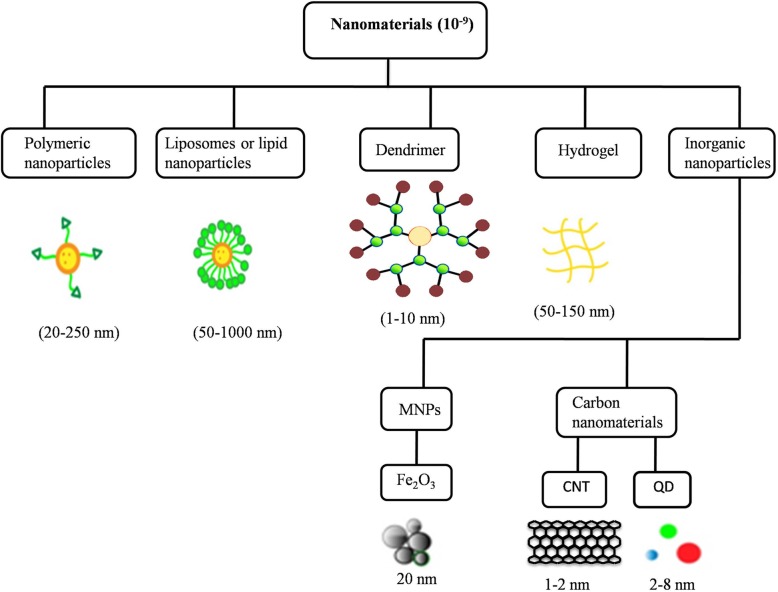
Fig. 1
Fig. 1
Various types of nanomaterials and their morphological features
Fig. 2
Fig. 2
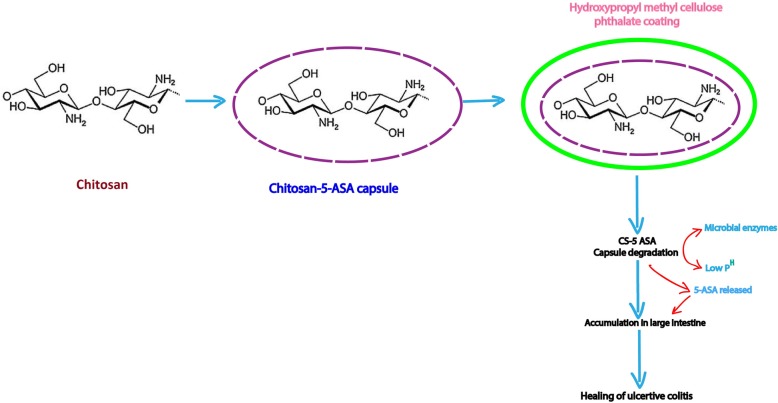
Chitosan based drug delivery. Chitosan containing 5-ASA capsules were coated with hydroxypropyl methylcellulose phthalate as an enteric coating material. After the oral administration of chitosan 5-ASA capsules, disintegration of capsules was assumed by microbial enzyme degradation along with the low acidic pH in the colon. Moreover, chitosan facilitate to stay 5-ASA in the large intestinal mucosa over a period of time and accelerates the healing of TNBS-induced colitis
Fig. 3
Fig. 3
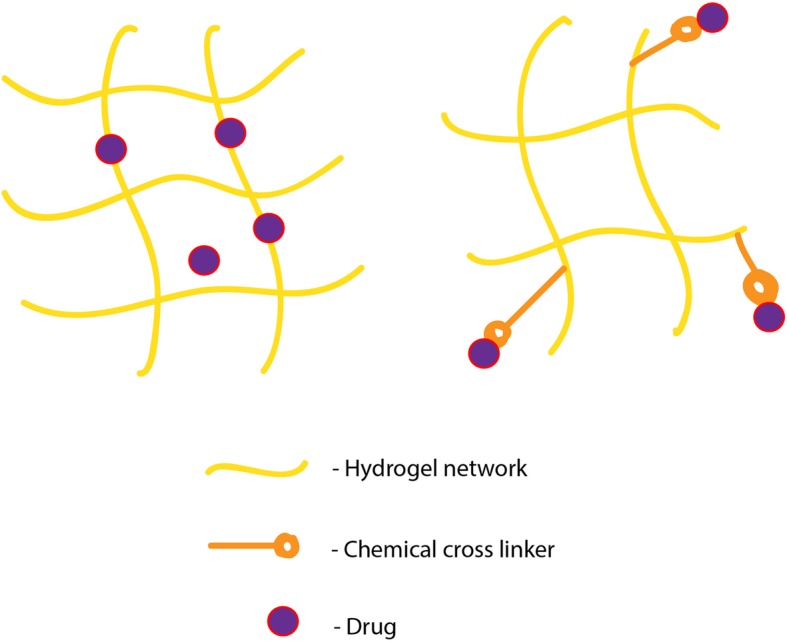
Formulation of hydrogel-drug matrix. The most routinely followed strategy for drug delivery from the hydrogel matrix is physical or chemical interactions. In physical interactions, the affinity between the gel and drug is often charge based. If the gel matrix is having more amino functional groups it could be useful for the delayed release of anionic drugs. Simply, the polymers can have significant effect on prolonged release of drugs of opposite charge. As opposed to physical interaction, drug is permanently linked to hydrogel matrix via covalent crosslinks. This kind of binding could be achieved with other methods like UV irradiation and redox-responsive supramolecular assembly
Fig. 4
Fig. 4
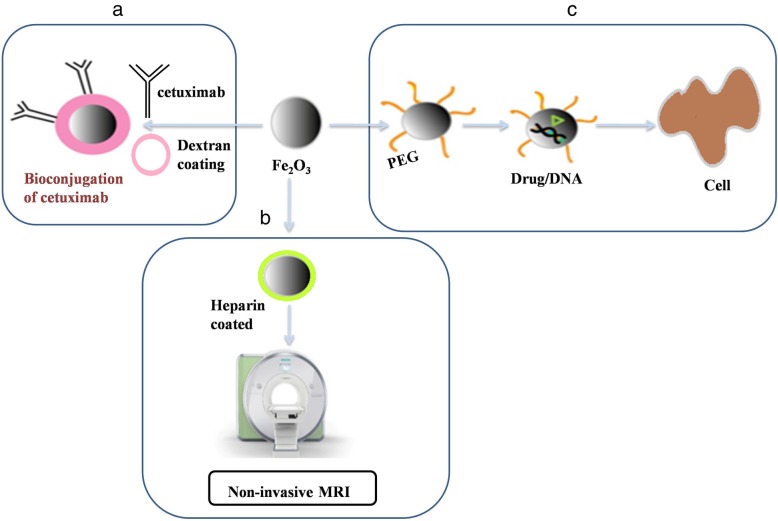
Versatility of magnetic nanoparticles in biomedicine. a Iron oxide nanoparticles coated with dextran were subsequently exposed to dihydrazide-PEG linker. This magnetic nanocarrier is useful for bioconjugation of aldehyde bearing cetuximab. b Heparin coated super paramagnetic iron oxide nanoparticles are applied for non-invasive MRI c A suitable polymer coated spions are successful in delivering any molecules (Drug or DNA) with therapeutic effects
Fig. 5
Fig. 5
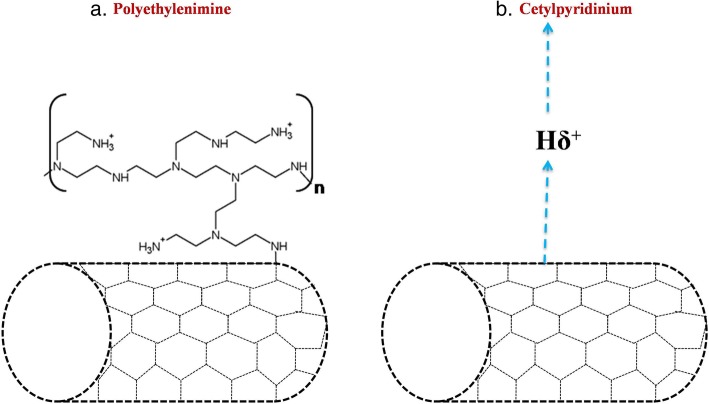
CNT functionalization for siRNA delivery. To achieve an effective siRNA delivery, CNTs were functionalized with covalent and non-covalent crosslinking. a CNT covalently linked with cationic polymer polyethylenimine (PEI) b CNT functionalized with non-covalent interaction with cationic cetylpyridinium. The different functionalization methods were tried to achieve efficient gene silencing. A thin and long structural feature of CNT offers long surface area and nano-needle morphology facilitates easy translocation over the plasma membrane via endocytosis-independent pathway
Fig. 6
Fig. 6
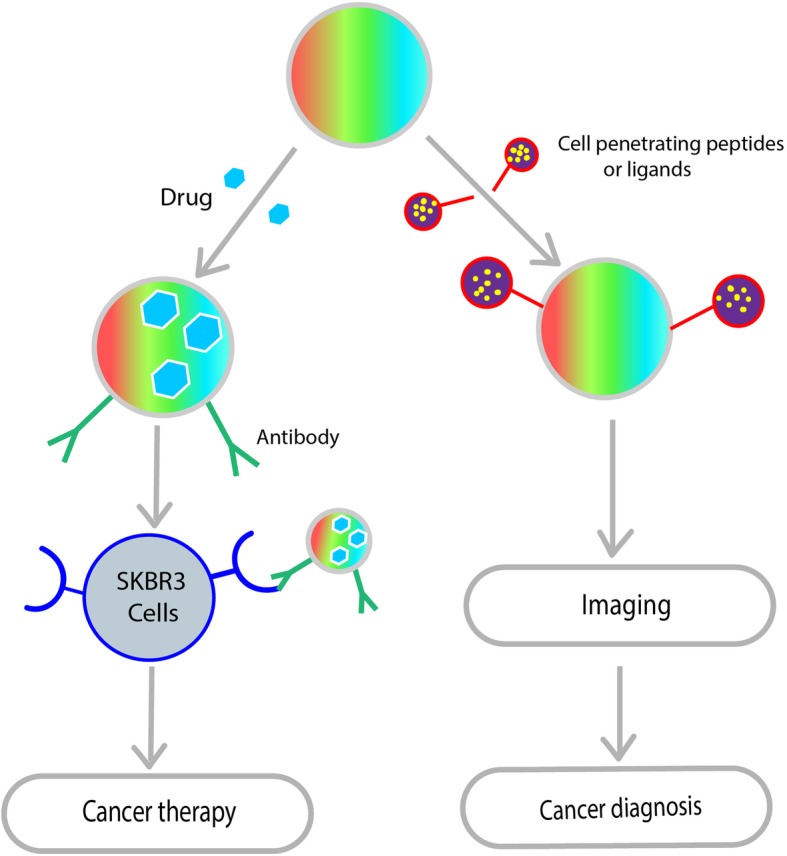
Ambidextrous nature of QDs in nanomedicine. Theranostics is particularly useful to establish specific or molecular targeting in a single agent (QDs). A range of fluorescent semi-conducting nanocrystals can acts as theranostic agent. Because of its ability to accommodate various functional modalities either targeting agents (antibody, aptamer or protein) or cell-penetrating ligands can be incorporated into QDs for cancer therapy or diagnosis
Fig. 7
Fig. 7
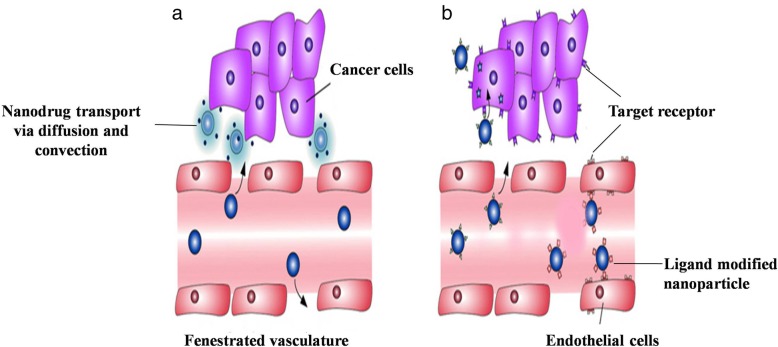
Drug delivery through passive and active targeting. Enhanced vascular permeability is one such hallmark feature of tumor cells along with the defective vascular anatomy. a Passive targeting uses this feature and improves the drug delivery by convection or passive diffusion in tumor cells. b Whereas in active targeting, targeting ligands are over expressed in tumor cells, thus the coveted nanoparticles are engineered to incorporate ligand that will bind to the target cells through ligand receptor interaction. This in turn increase the efficiency of drug delivery to the tumor tissues [Adapted from reference with permission: Wicki A, Witzigmann D, Balasubramanian V, Huwyler J Nanomedicine in cancer therapy: challenges, opportunities, and clinical applications. J Control Release 2015; 200:138–157] [154]
Fig. 8
Fig. 8
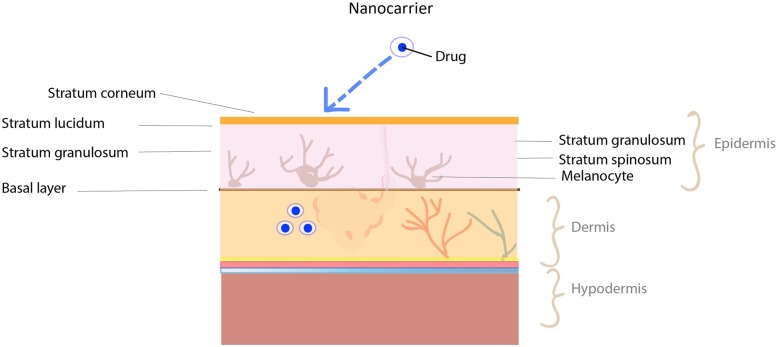
Nanocarrier assisted transdermal drug delivery. Dermal application of the drugs is still promising approach irrespective of the principle skin layers epidermis, dermis and hypodermis which is acting as a barrier and protecting the body. The outer skin layer or the visible “epidermis” further has three distinguished separate layers which limit the penetration of drugs into deeper skin layers. Fabrication of engineered drug laden nanocarriers is designed to overcome the skin barriers and reach the deeper skin layers. The nanocarriers penetration into skin via different pathways is clearly documented and the development of active and passive delivery methods enables the enhanced transdermal delivery
Fig. 9
Fig. 9
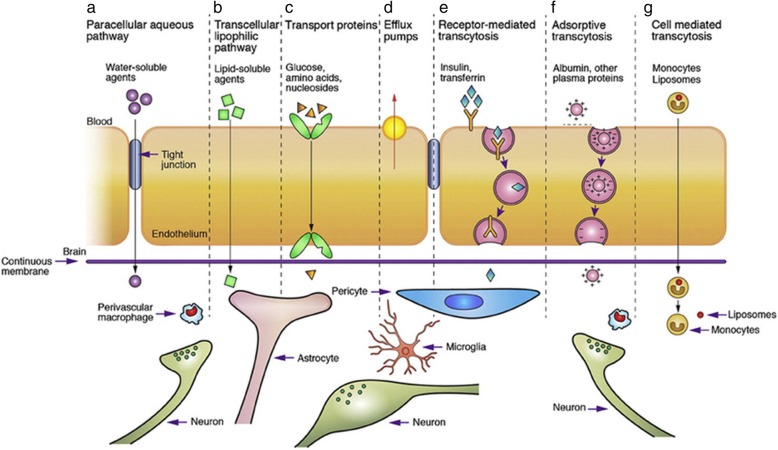
Transport mechanism through blood brain barrier. Transport routes across the blood–brain barrier. Pathways (a-f) are commonly for solute molecules; and the route (g) involves monocytes, macrophages and other immune cells and can be used for any drugs or drugs incorporated liposomes or nanoparticles. [Adapted from reference with permission; N.J. Abbott, L. Ronnback, E. Hansson, Astrocyte-endothelial interactions at the blood–brain barrier, Nat Rev. Neurosci 7 (2006) 41–53] [192]
Fig. 10
Fig. 10
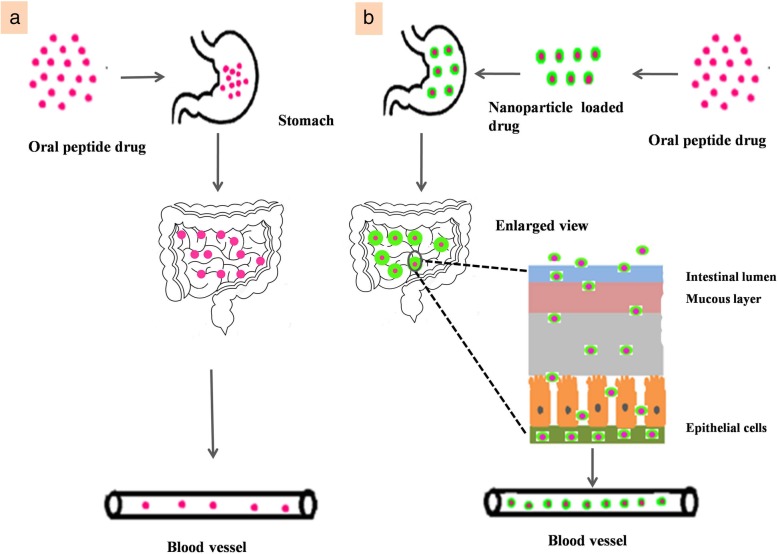
Administration of pH sensitive peptide drug via oral delivery. a The peptide drug administered orally degraded particularly in stomach due to proteolytic enzymes which result in poor availability of drugs. b The nanoparticles shields drugs and prevent from enzymatic degradation. Hence attains the efficient distribution of drugs
Fig. 11
Fig. 11
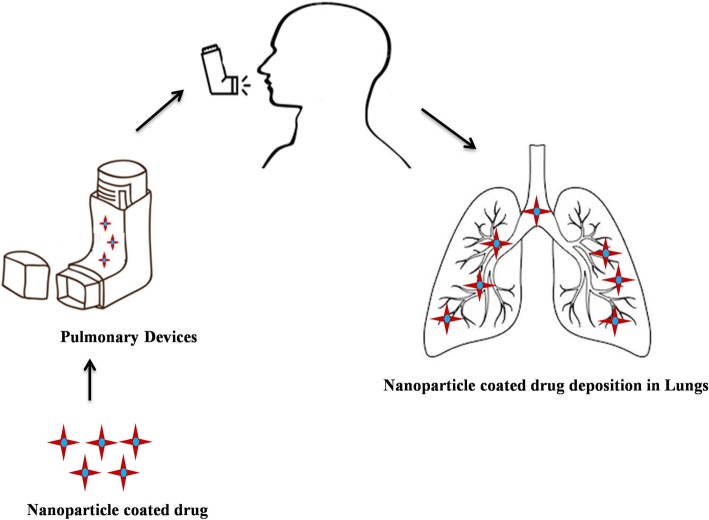
Pulmonary drug delivery via inhalation. The concept of nanoparticle incorporated drugs for pulmonary delivery is, when it is inhaled it will pass through oropharynx and deposited in alveoli of lungs with the help of suitable inhalation devices. The pulmonary device containing nanoparticle coated drugs, when inhaled will pass through oropharynx and deposited in the alveoli of lungs. Subsequently, the nanoparticle coated drug aids in sustained release of drugs from the lungs and thus improved distribution in systemic circulation. It offers high surface area with rapid absorption vascularization and circumvention of the first pass effect
Fig. 12
Fig. 12
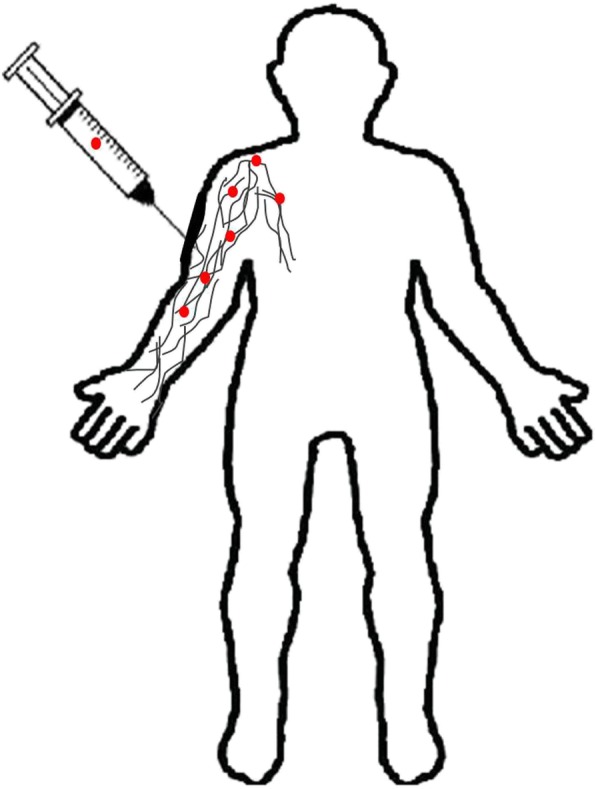
Systemic delivery of nanoparticles by intravenous injection. Intravenous drug administration via blood stream is equally popular route of drug administration and offers the systemic action as well as complete bioavailability. The uncoated or raw nanoparticles have often suffers with the effect of opsonization or macrophage uptake, especially nanoparticles with <∼5 nm rapidly undergo renal clearance upon intravenous administration. Surface tailoring is the effective way of prevent clearance and improve the cellular uptake for maximum drug accumulation in tumor sites. Nanoemulsions and micellar nanocomplex are significantly used in recent times to enhance the anti-tumor effect of the drug with infinitesimal off-target toxicity

References

    1. Tarafdar JC, Sharma S, Raliya R. Nanotechnology: Interdisciplinary science of applications. Afr J Biotechnol. 2013;12(3):219–226. doi: 10.5897/AJB12.2481. - DOI
    1. Muller RH, Keck CM. Challenges and solutions for the delivery of biotech drugs–a review of drug nanocrystal technology and lipid nanoparticles. J Biotechnol. 2004;113(1):151–170. doi: 10.1016/j.jbiotec.2004.06.007. - DOI - PubMed
    1. Yhee JY, Son S, Kim N, Choi K, Kwon IC. Theranostic applications of organic nanoparticles for cancer treatment. MRS Bull. 2014;39(3):239–249. doi: 10.1557/mrs.2014.30. - DOI
    1. Kim T, Hyeon T. Applications of inorganic nanoparticles as therapeutic agents. Nanotechnology. 2013;25(1):012001. doi: 10.1088/0957-4484/25/1/012001. - DOI - PubMed
    1. Kumar S, Dilbaghi N, Saharan R, Bhanjana G. Nanotechnology as emerging tool for enhancing solubility of poorly water-soluble drugs. Bionanoscience. 2012;2(4):227–250. doi: 10.1007/s12668-012-0060-7. - DOI