Electrical stimulation as a novel tool for regulating cell behavior in tissue engineering
- PMID: 31844552
- PMCID: PMC6896676
- DOI: 10.1186/s40824-019-0176-8
Electrical stimulation as a novel tool for regulating cell behavior in tissue engineering
Abstract
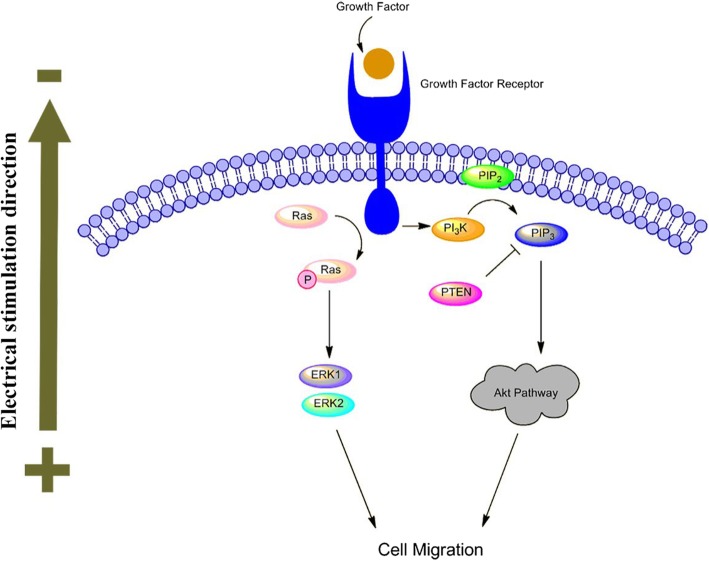
Recently, electrical stimulation as a physical stimulus draws lots of attention. It shows great potential in disease treatment, wound healing, and mechanism study because of significant experimental performance. Electrical stimulation can activate many intracellular signaling pathways, and influence intracellular microenvironment, as a result, affect cell migration, cell proliferation, and cell differentiation. Electrical stimulation is using in tissue engineering as a novel type of tool in regeneration medicine. Besides, with the advantages of biocompatible conductive materials coming into view, the combination of electrical stimulation with suitable tissue engineered scaffolds can well combine the benefits of both and is ideal for the field of regenerative medicine. In this review, we summarize the various materials and latest technologies to deliver electrical stimulation. The influences of electrical stimulation on cell alignment, migration and its underlying mechanisms are discussed. Then the effect of electrical stimulation on cell proliferation and differentiation are also discussed.
Keywords: Electrical stimulation; Regenerative medicine; Tissue engineered materials.
© The Author(s). 2019.
Conflict of interest statement
Competing interestsThe authors declare that they have no competing interests.
Figures

References
Publication types
LinkOut - more resources
Full Text Sources
Other Literature Sources