


Predicting cognitive performance from physical activity and fitness in adolescents and young adults in Botswana relative to HIV status
- PMID: 31862947
- PMCID: PMC6925206
- DOI: 10.1038/s41598-019-55925-x
Predicting cognitive performance from physical activity and fitness in adolescents and young adults in Botswana relative to HIV status
Abstract
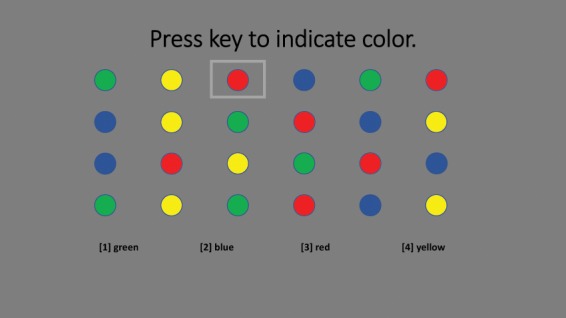
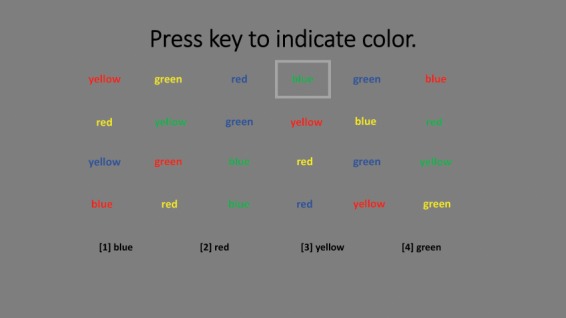
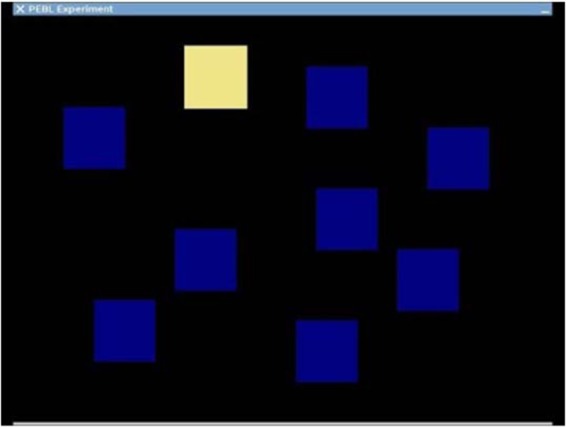
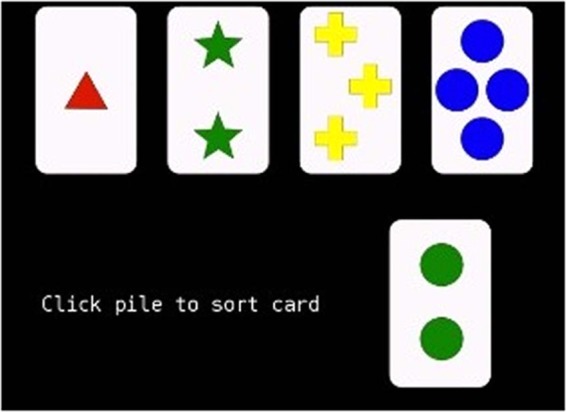
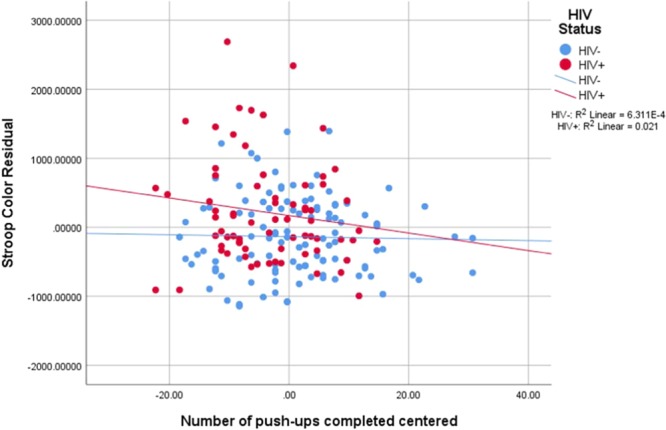
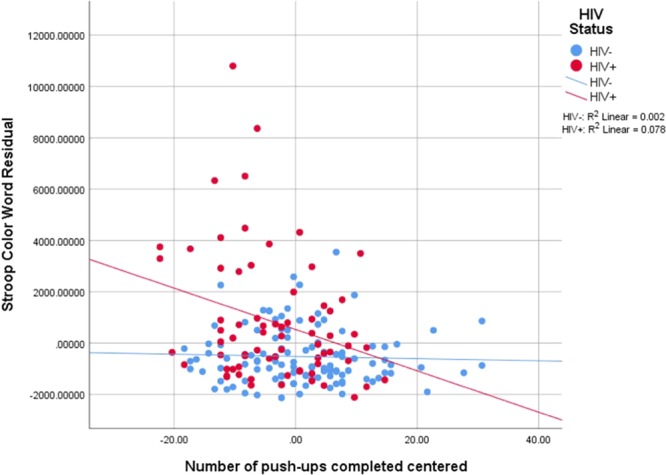
Little is known about whether physical activity and fitness could enhance cognition in adolescents and young adults living with HIV. The purpose of this study was to examine this relationship in a group of 250 HIV+ (n = 88) and HIV negative (n = 162) participants from Botswana, aged 12-23 years (Mean = 17.87, SD = 2.24). Fitness was operationalized as muscular strength (push-ups) and aerobic endurance (PACER). PA was assessed using items from the Youth Risk Behavior Surveillance Survey. Cognition was measured using the Corsi Test, Berg Card Sorting Task (BCST), and Stroop Color Word Task (Stroop). Multiple regression analyses indicated that the HIV x push-ups interaction was a significant predictor of Corsi performance, and HIV status was a significant predictor of BCST performance (p < 0.05). For the Stroop portions, HIV status and HIV x push-ups were significant predictors (p < 0.01). HIV status is predictive of cognition and interacts with muscular fitness to predict cognition.
Conflict of interest statement
The authors declare no competing interests.
Figures
References
-
- World Health Organization. HIV/AIDS Key Facts, https://www.who.int/news-room/fact-sheets/detail/hiv-aids (2019).
