


Systematic Review of Digital Interventions for Pediatric Asthma Management
- PMID: 31870809
- PMCID: PMC7152564
- DOI: 10.1016/j.jaip.2019.12.013
Systematic Review of Digital Interventions for Pediatric Asthma Management
Abstract
Background: Pediatric patients with asthma take only approximately half of their prescribed medication. Digital interventions to improve adherence for youth with asthma exist and have the potential to improve accessibility, cost-effectiveness, and customizability.
Objective: To systematically review published research examining digital interventions to promote adherence to the treatment of pediatric asthma.
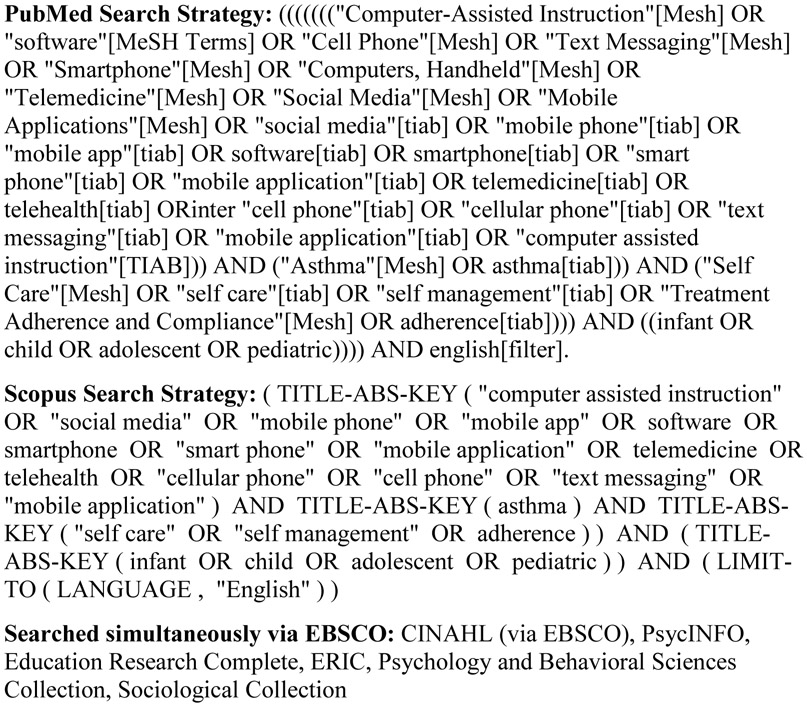
Methods: A systematic search of the PubMed, Scopus, CINAHL, PsycINFO, and reference review databases was conducted. Articles were included if adherence was an outcome in a randomized controlled trial of a digital intervention for children with asthma. We compared samples, intervention characteristics, adherence measurement and outcomes, as well as additional health outcomes across studies.
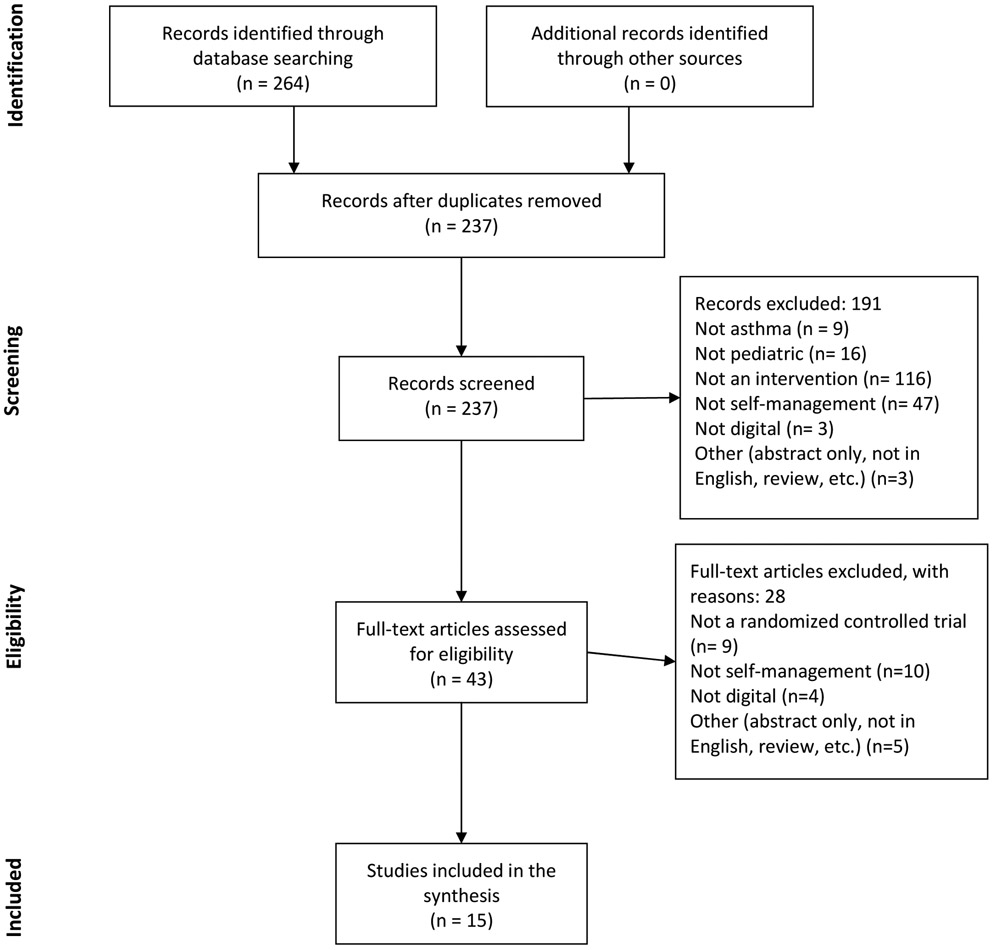
Results: Of the 264 articles reviewed, 15 studies met inclusion criteria and were included in the review. Overall, 87% of the digital interventions demonstrated improved adherence and 53% demonstrated improved health outcomes. All the promising interventions included a behavioral component and most were 3 to 6 months in length, delivered through a digital stand-alone medium (eg, automated personalized texts, mobile health apps, and website), and assessed adherence to controller medication.
Conclusions: Overall, digital interventions aimed at improving adherence are promising and also improve health outcomes in addition to medication adherence. Although future studies using evidence-based adherence assessment and multifactorial design should be conducted, the current literature suggests that both digital stand-alone interventions and interventions combining digital technology with support from a health care team member result in improved adherence and asthma outcomes. Recommendations for digital interventions for pediatric patients with asthma with adherence concerns are provided.
Keywords: Adherence; Asthma; Digital intervention; Internet; Mobile health; Self-management.
Copyright © 2019 American Academy of Allergy, Asthma & Immunology. Published by Elsevier Inc. All rights reserved.
Conflict of interest statement
Conflict of Interest: The authors have no conflicts of interest to report.
Figures
References
-
- McQuaid EL, Kopel SJ, Klein RB, Fritz GK. Medication adherence in pediatric asthma: Reasoning, responsibility, and behavior. Journal of Pediatric Psychology. 2003;28(5):323–33. - PubMed
-
- Bender BG, Rand C. Medication non-adherence and asthma treatment cost. Current opinion in allergy and clinical immunology. 2004;4(3):191–5. - PubMed
-
- Klok T, Kaptein AA, Brand PL. Non-adherence in children with asthma reviewed: The need for improvement of asthma care and medical education. Pediatric Allergy and Immunology. 2015;26(3):197–205. - PubMed
-
- Bosley C, Fosbury J, Cochrane G. The psychological factors associated with poor compliance with treatment in asthma. European Respiratory Journal. 1995;8(6):899–904. - PubMed
-
- Baum D, Creer TL. Medication compliance in children with asthma. Journal of Asthma. 1986;23(2):49–59. - PubMed
Publication types
MeSH terms
Grants and funding
LinkOut - more resources
Full Text Sources
Medical
Miscellaneous
