


Patient Positioning in Shoulder Arthroscopy: Which is Best?
- PMID: 31879731
- PMCID: PMC6930847
- DOI: 10.1055/s-0039-1697606
Patient Positioning in Shoulder Arthroscopy: Which is Best?
Abstract
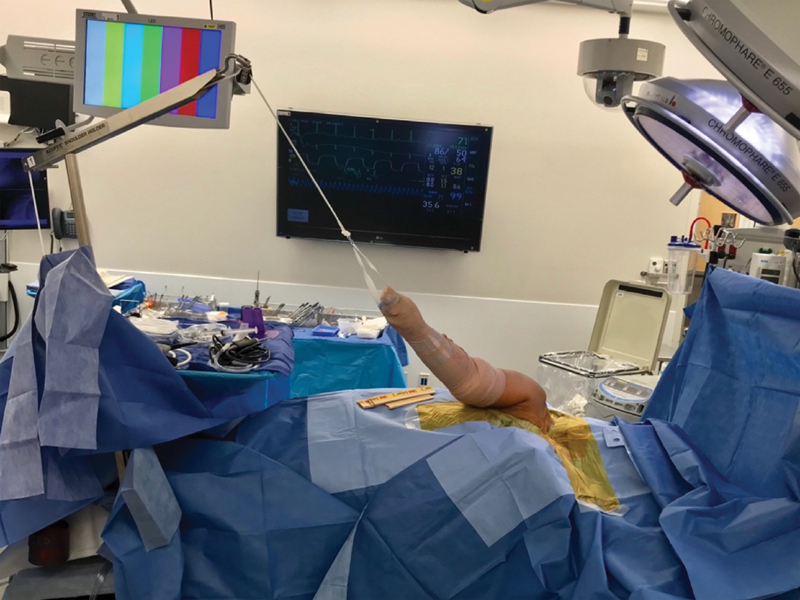
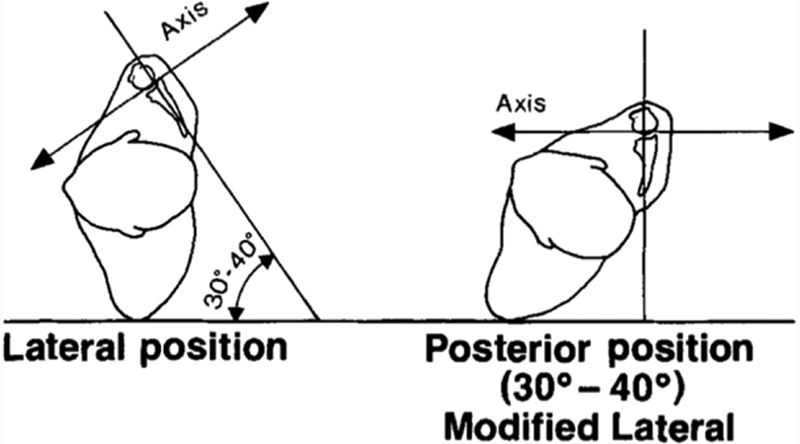
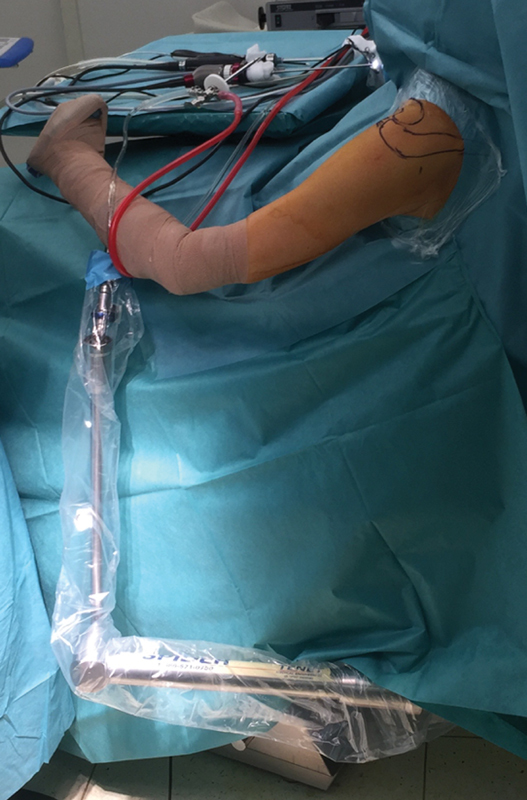
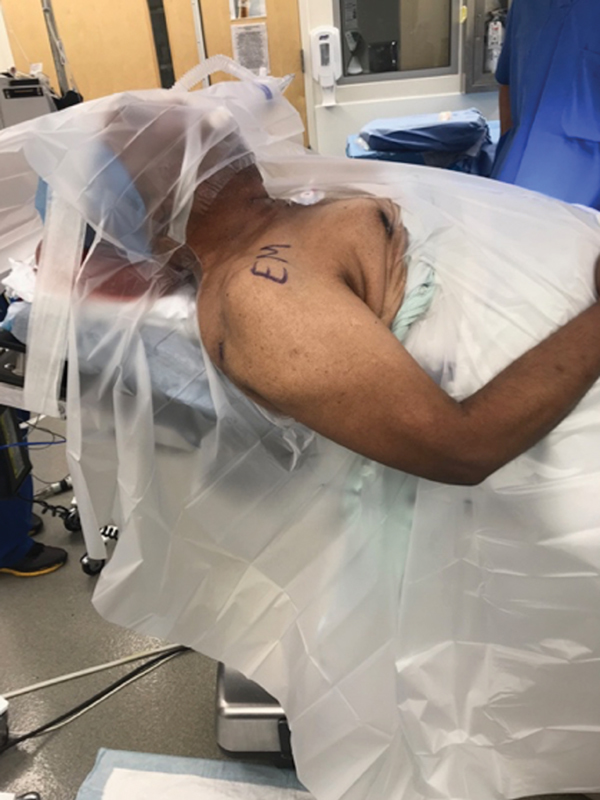
When performing diagnostic and surgical arthroscopic procedures on the shoulder, the importance of patient positioning cannot be understated. The optimum patient positioning for shoulder arthroscopy should enhance intraoperative joint visualization and surgical accessibility while minimizing potential perioperative risk to the patient. Most shoulder arthroscopy procedures can be reliably performed with the patient either in the lateral decubitus (LD) or beach chair (BC) position. Although patient positioning for shoulder arthroscopy has been subject of controversy, there is no conclusive evidence to suggest superiority of one position versus another. Each position offers advantages and disadvantages and surgeon's experience and training are pivotal on selecting one position versus another. Regardless of the position, a proper positioning of the patient should provide adequate access to the joint while minimizing complications. The purpose of this review is to summarize setup and technical aspects, the advantages and disadvantages, and the possible complications of the LD and BC positions in shoulder arthroscopy.
Keywords: arthroscopy; beach chair; complications; lateral decubitus; neuropraxia; positioning; shoulder; stroke.
Conflict of interest statement
Conflict of Interest None declared.
Figures
References
-
- Li X, Eichinger J K, Hartshorn T, Zhou H, Matzkin E G, Warner J P. A comparison of the lateral decubitus and beach-chair positions for shoulder surgery: advantages and complications. J Am Acad Orthop Surg. 2015;23(01):18–28. - PubMed
-
- Association of Surgical Technologists.Guidelines for Surgical PositioningAvailable at:http://www.ast.org. Accessed September 1, 2019
-
- Peruto C M, Ciccotti M G, Cohen S B. Shoulder arthroscopy positioning: lateral decubitus versus beach chair. Arthroscopy. 2009;25(08):891–896. - PubMed
-
- Rains D D, Rooke G A, Wahl C J. Pathomechanisms and complications related to patient positioning and anesthesia during shoulder arthroscopy. Arthroscopy. 2011;27(04):532–541. - PubMed
Publication types
LinkOut - more resources
Full Text Sources
Research Materials