


Patients' perception of communication at the interface between primary and secondary care: a cross-sectional survey in 34 countries
- PMID: 31888614
- PMCID: PMC6937702
- DOI: 10.1186/s12913-019-4848-9
Patients' perception of communication at the interface between primary and secondary care: a cross-sectional survey in 34 countries
Abstract
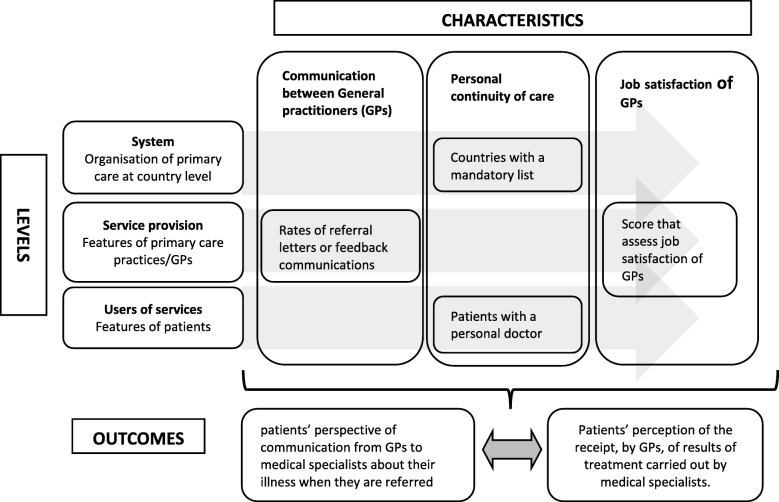
Background: Poor communication between general practitioners (GPs) and medical specialists can lead to poorer quality, and continuity, of care. Our study aims to assess patients' perceptions of communication at the interface between primary and secondary care in 34 countries. It will analyse, too, whether this communication is associated with the organisation of primary care within a country, and with the characteristics of GPs and their patients.
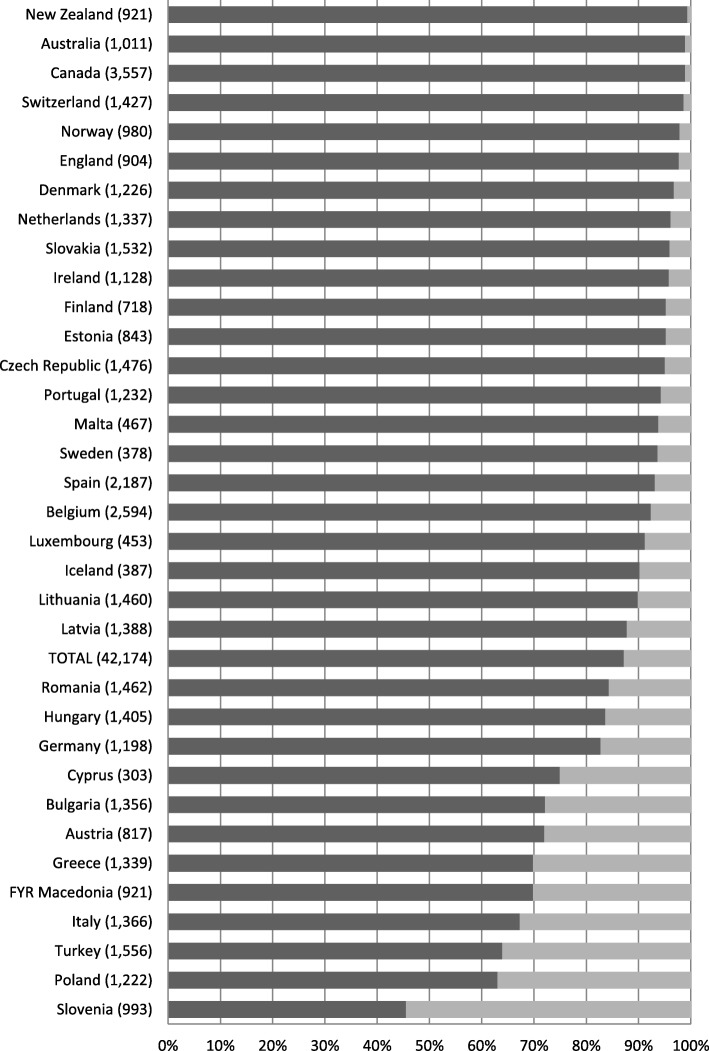
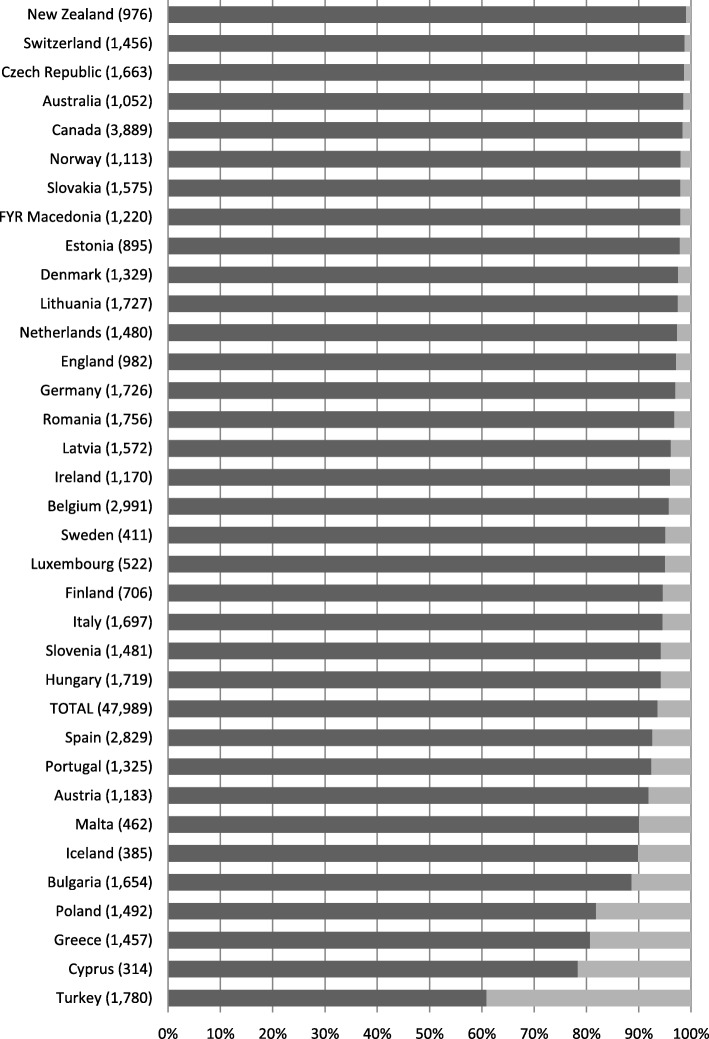
Methods: We conducted a cross-sectional survey among patients in 34 countries. Following a GP consultation, patients were asked two questions. Did they take to understand that their GP had informed medical specialists about their illness upon referral? And, secondly, did their GP know the results of the treatment by a medical specialist? We used multi-response logistic multilevel models to investigate the association of factors related to primary care, the GP, and the patient, with the patients' perceptions of communication at the interface between primary and secondary care.
Results: In total, 61,931 patients completed the questionnaire. We found large differences between countries, in both the patients' perceptions of information shared by GPs with medical specialists, and the patients' perceptions of the GPs' awareness of the results of treatment by medical specialists. Patients whose GPs stated that they 'seldom or never' send referral letters, also less frequently perceived that their GP communicated with their medical specialists about their illness. Patients with GPs indicating they 'seldom or never' receive feedback from medical specialists, indicated less frequently that their GP would know the results of treatment by a medical specialist. Moreover, patients with a personal doctor perceived higher rates of communication in both directions at the interface between primary and secondary care.
Conclusion: Generally, patients perceive there to be high rates of communication at the interface between primary and secondary care, but there are large differences between countries. Policies aimed at stimulating personal doctor arrangements could, potentially, enhance the continuity of care between primary and secondary care.
Keywords: Communication; Patient views; Primary care; Referrals; Secondary care.
Conflict of interest statement
The authors declare that they have no competing interests.
Figures
References
-
- European Health for All Database. Available at http://www.euro.who.int/en/data-and-evidence/databases/european-health-f.... Last access: February 2016.
