


Enhanced yield performance of transgenic cry1C* rice in saline-alkaline soil
- PMID: 31906775
- PMCID: PMC7289519
- DOI: 10.1080/21645698.2019.1709383
Enhanced yield performance of transgenic cry1C* rice in saline-alkaline soil
Abstract
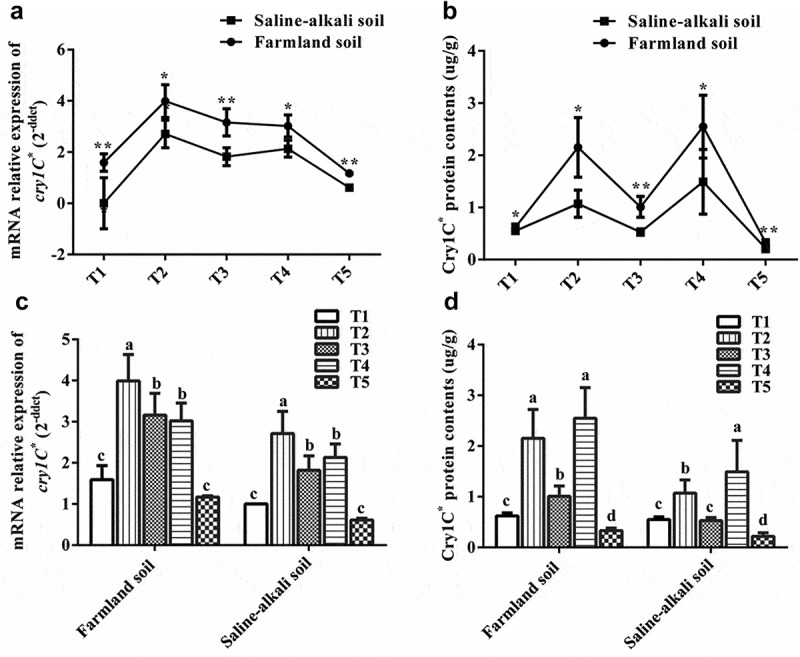
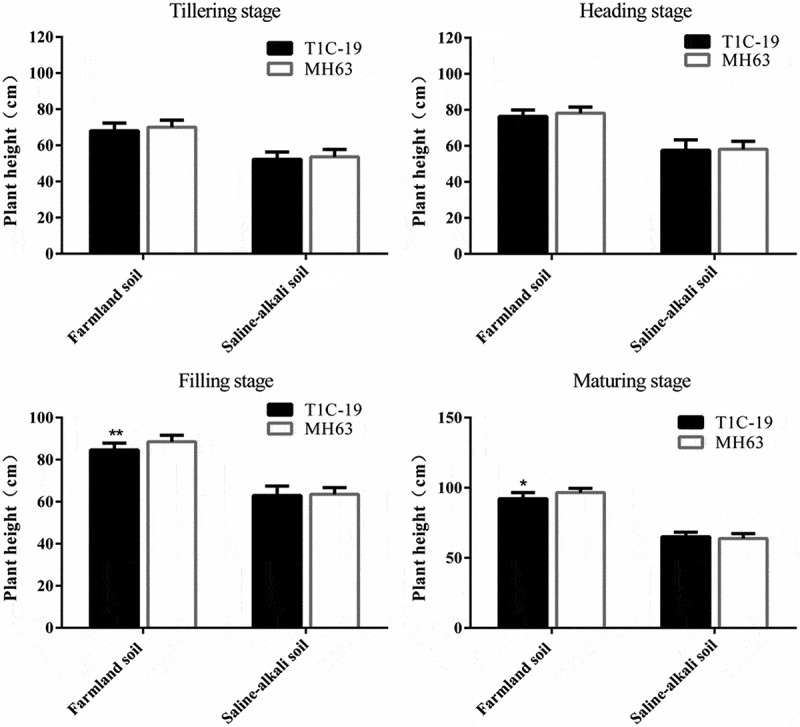
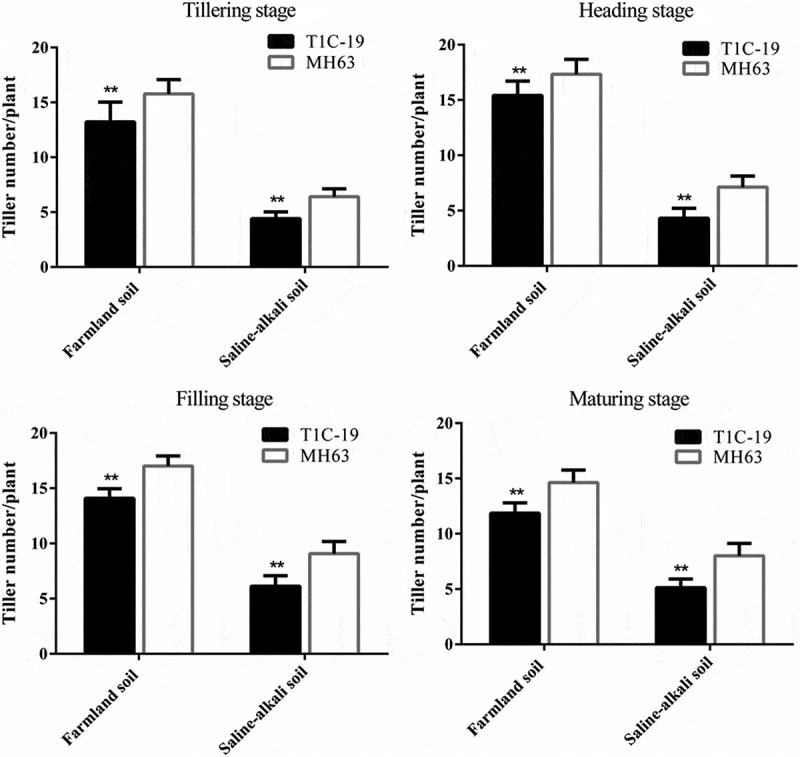
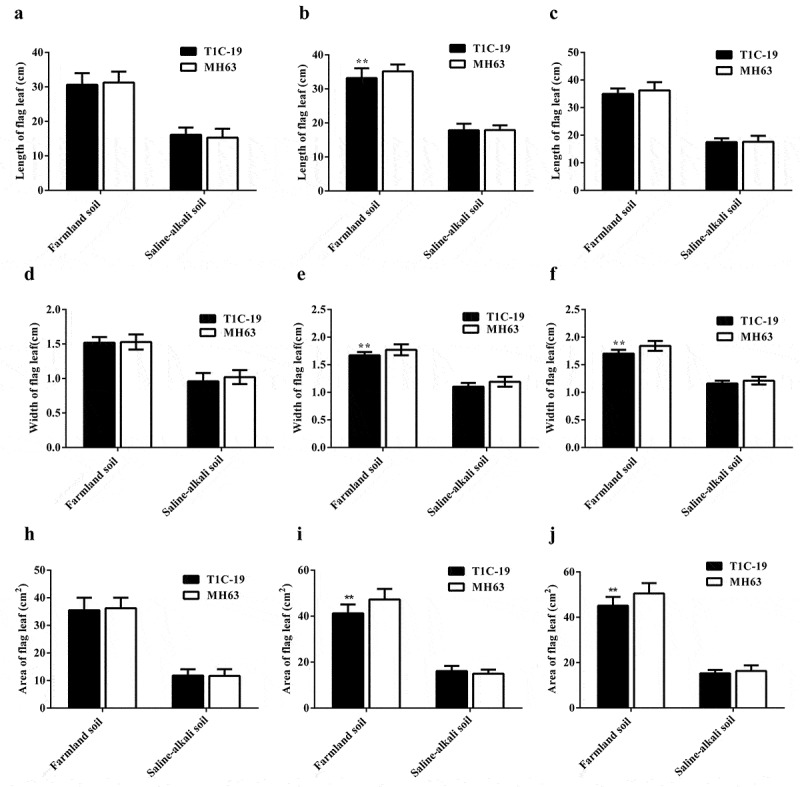
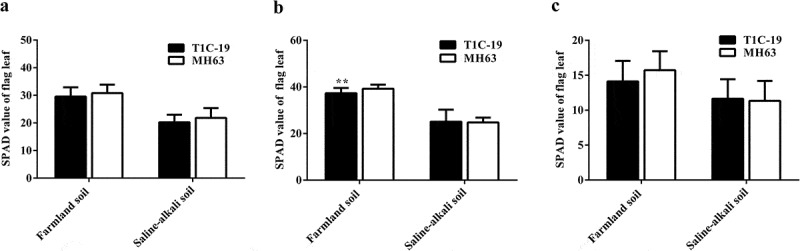
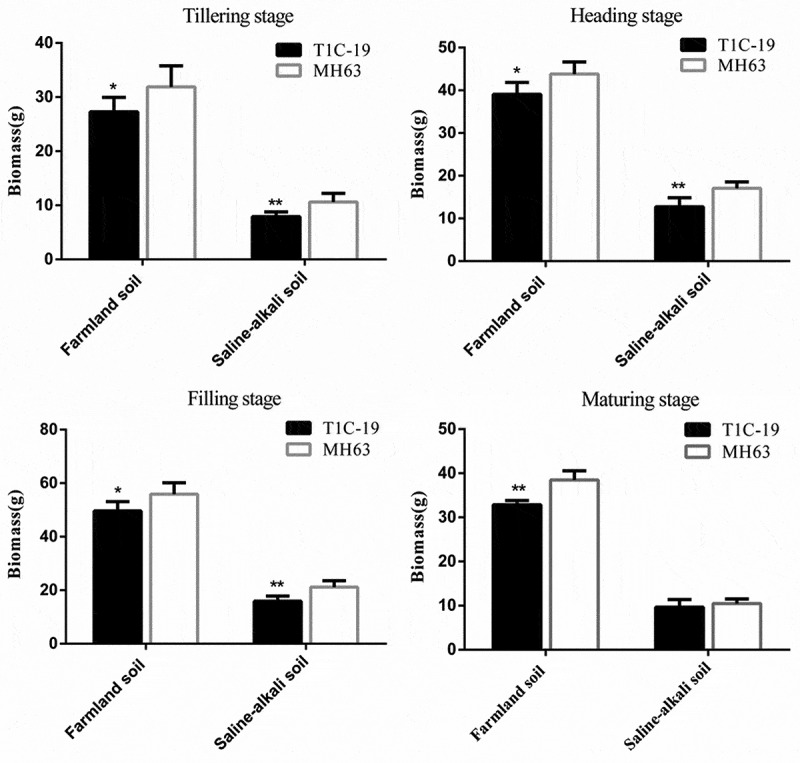
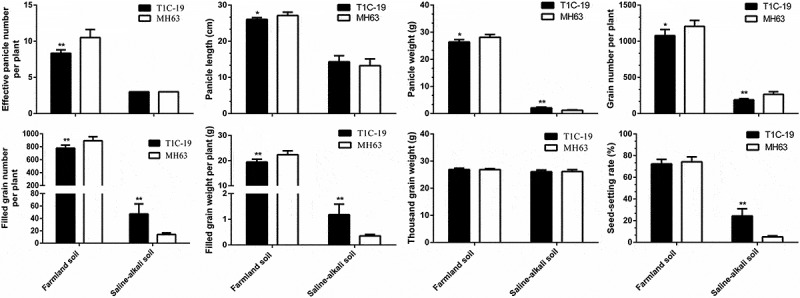
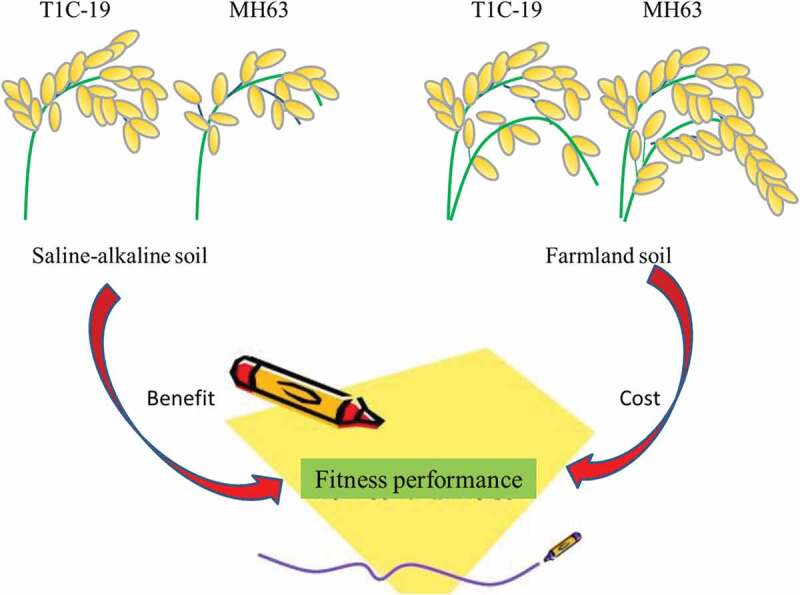
China has a large area of saline-alkaline land that can be utilized for the cultivation of transgenic rice. Therefore, the growth and reproductive behavior of transgenic rice are not only a problem for production that needs to be resolved, but also an important aspect of environmental risk assessment for saline alkali soil. In the present study, an insect-resistant transgenic cry1C* rice, T1C-19, was grown in farmland and saline-alkaline soils. The transcription and translation of the exogenous cry1C*, and vegetative and reproductive fitness, such as plant height, tiller number, biomass, filled grain number and weight per plant, were assessed. Our findings indicated that the transcription and translation of exogenous cry1C* gene in T1C-19 rice grown in saline-alkaline soil were lower than that grown in farmland; however, the correlation was not significant. The vegetative and reproductive growth abilities of T1C-19 were lower than that of the parental rice, Minghui63 (MH63), in farmland. In alkaline-saline soil, except for tiller number and biomass, there were no significant differences between T1C-19 and MH63 in other vegetative indices. In contrast, the reproductive indices of T1C-19 were significantly higher than those of MH63. The results suggested that T1C-19 had a strong reproductive capacity, and significantly reduced the loss of yield caused by insects, thereby leading to a higher yield than that of MH63 grown in saline-alkaline soils. This may promote the cultivation of saline-alkaline soil to permit farming of T1C-19 in China in the future, despite the possible increased ecological risks.
Keywords: Fitness; Saline-alkaline soil; T1C-19 rice; Transcription and translation of cry1C*; Vegetative and reproductive growth abilities.
Figures
References
-
- ISAAA . Global status of commercialized biotech/GM Crops: 2017. ISAAA. 2017; Brief 52.
-
- Chen H, Tang W, Xu CG, Li XH, Lin YJ, Zhang QF.. Transgenic indica rice plants harboring a synthetic cry2A* gene of Bacillus thuringiensis exhibit enhanced resistance against lepidopteran rice pests. Theor Appl Genet. 2005;111:1330–37. - PubMed
-
- Jiang GH, Xu CG, Tu JM, Li XH, He YQ, Zhang QF.. Pyramiding of insect- and disease-resistant genes into an elite indica, cytoplasm male sterile restorer line of rice, ‘Minghui 63ʹ. Plant Breed. 2010;123:112–16.
-
- Lin XF, Liu ZM, Liu DP, Hao WY, Tang KX. Introduction double insect resistance genes cry1a(a)-pta to japonica rice and assessment of resistance to rice stem borer. Mol Plant Breed. 2006;4:345–50.
-
- Shu QY, Ye GY, Cui HR, Cheng XY, Xiang YB, Wu DX, Gao MW, Xia YW, Cui H, Sardana R. Transgenic rice plants with a synthetic cry1Ab gene from Bacillus thuringiensis were highly resistant to eight lepidopteran rice pest species. Mol Breed. 2000;6:433–39.
MeSH terms
Substances
LinkOut - more resources
Full Text Sources
Other Literature Sources
