


Apolipoproteins A and B and PCSK9: Nontraditional Cardiovascular Risk Factors in Chronic Kidney Disease and in End-Stage Renal Disease
- PMID: 31915710
- PMCID: PMC6931031
- DOI: 10.1155/2019/6906278
Apolipoproteins A and B and PCSK9: Nontraditional Cardiovascular Risk Factors in Chronic Kidney Disease and in End-Stage Renal Disease
Abstract
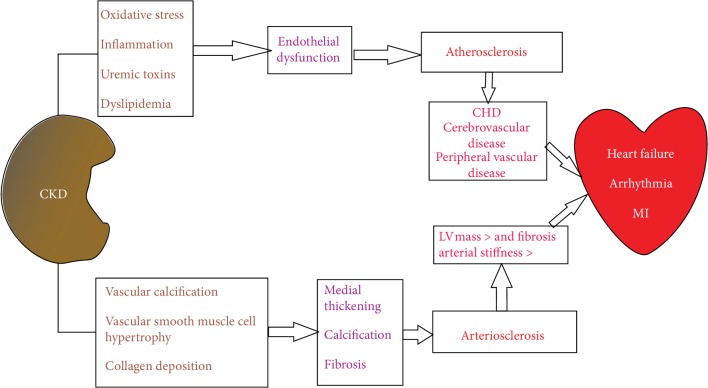
Purpose: Nontraditional cardiovascular risk factors as apolipoprotein A (ApoA), apolipoprotein B (ApoB), and the proprotein convertase subtilisin/kexin type 9 (PCSK9) increase the prevalence of cardiovascular mortality in chronic kidney disease (CKD) or in end-stage renal disease (ESRD) through quantitative alterations. This review is aimed at establishing the biomarker (ApoA, ApoB, and PCSK9) level variations in uremic patients, to identify the studies showing the association between these biomarkers and the development of cardiovascular events and to depict the therapeutic options to reduce cardiovascular risk in CKD and ESRD patients.
Methods: We searched the electronic database of PubMed, Scopus, EBSCO, and Cochrane CENTRAL for studies evaluating apolipoproteins and PCSK9 in CKD and ESRD. Randomized controlled trials, observational studies (including case-control, prospective or retrospective cohort), and reviews/meta-analysis were included if reference was made to those keys and cardiovascular outcomes in CKD/ESRD.
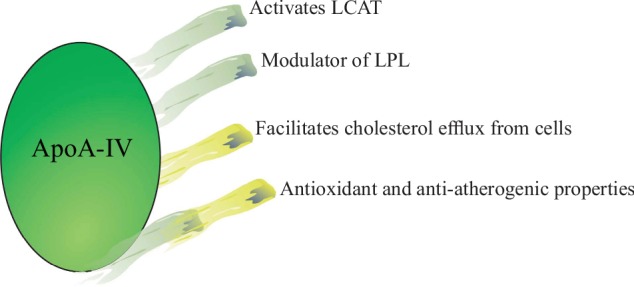
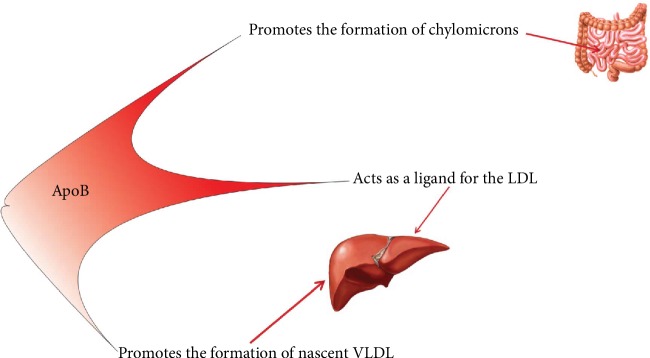
Results: 18 studies met inclusion criteria. Serum ApoA-I has been significantly associated with the development of new cardiovascular event and with cardiovascular mortality in ESRD patients. ApoA-IV level was independently associated with maximum carotid intima-media thickness (cIMT) and was a predictor for sudden cardiac death. The ApoB/ApoA-I ratio represents a strong predictor for coronary artery calcifications, cardiovascular mortality, and myocardial infarction in CKD/ESRD. Plasma levels of PCSK9 were not associated with cardiovascular events in CKD patients.
Conclusions: Although the "dyslipidemic status" in CKD/ESRD is not clearly depicted, due to different research findings, ApoA-I, ApoA-IV, and ApoB/ApoA-I ratio could be predictors of cardiovascular risk. Serum PCSK9 levels were not associated with the cardiovascular events in patients with CKD/ESRD. Probably in the future, the treatment of dyslipidemia in CKD/ESRD will be aimed at discovering new effective therapies on the action of these biomarkers.
Copyright © 2019 Cristiana-Elena Vlad et al.
Conflict of interest statement
The authors declare that there is no conflict of interest regarding the publication of this paper.
Figures


References
Publication types
MeSH terms
Substances
LinkOut - more resources
Full Text Sources
Medical
Miscellaneous
