


Improved Nucleic Acid Therapy with Advanced Nanoscale Biotechnology
- PMID: 31927331
- PMCID: PMC6957827
- DOI: 10.1016/j.omtn.2019.12.004
Improved Nucleic Acid Therapy with Advanced Nanoscale Biotechnology
Abstract
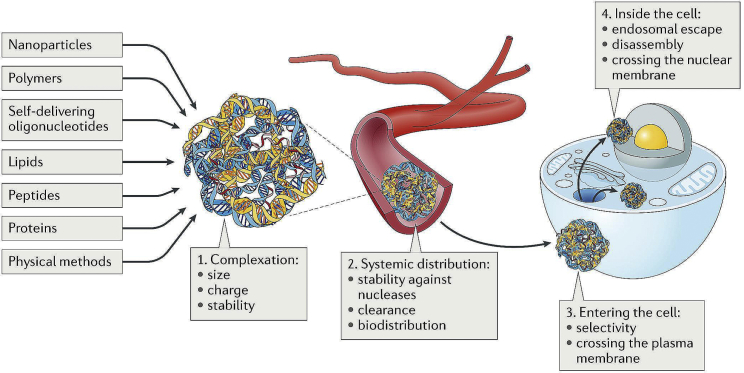
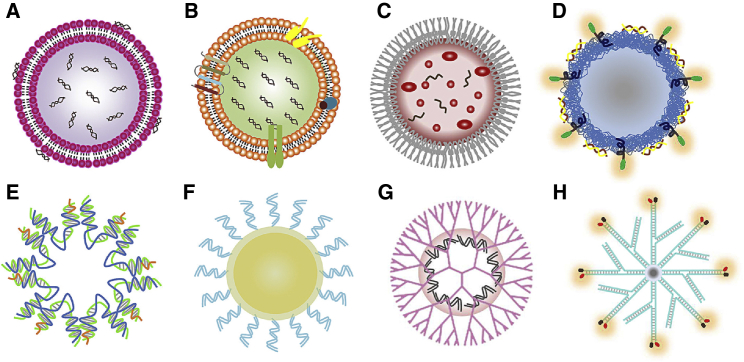
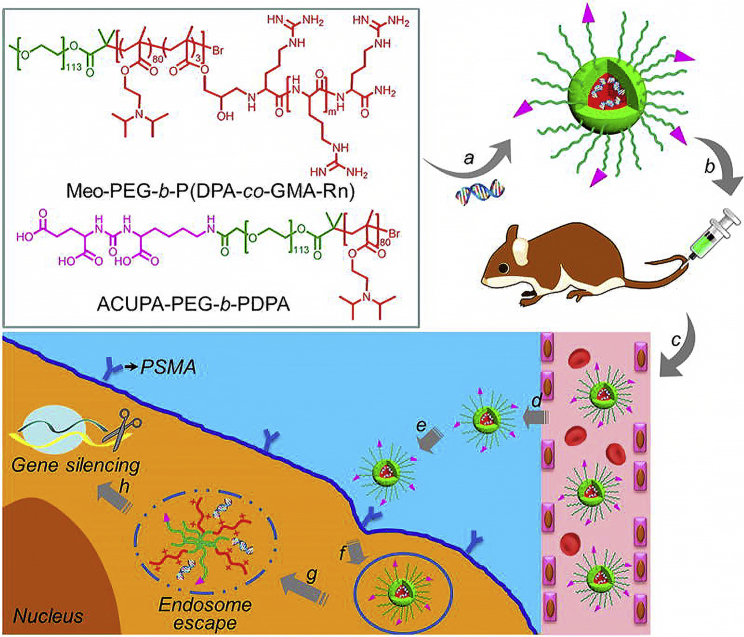
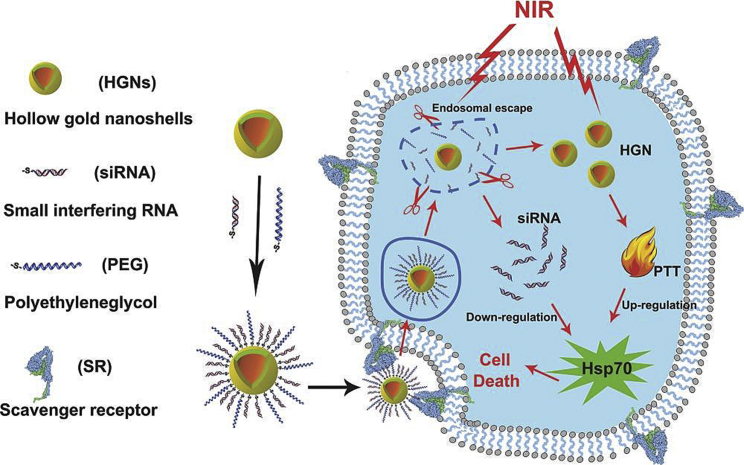
Due to a series of systemic and intracellular obstacles in nucleic acid (NA) therapy, including fast degradation in blood, renal clearance, poor cellular uptake, and inefficient endosomal escape, NAs may need delivery methods to transport to the cell nucleus or cytosol to be effective. Advanced nanoscale biotechnology-associated strategies, such as controlling the particle size, charge, drug loading, response to environmental signals, or other physical/chemical properties of delivery carriers, have provided great help for the in vivo and in vitro delivery of NA therapeutics. In this review, we introduce the characteristics of different NA modalities and illustrate how advanced nanoscale biotechnology assists NA therapy. The specific features and challenges of various nanocarriers in clinical and preclinical studies are summarized and discussed. With the help of advanced nanoscale biotechnology, some of the major barriers to the development of NA therapy will eventually be overcome in the near future.
Keywords: ASO; CRISPR/Cas; RNAi; drug delivery; gene editing; nucleic acid therapy.
Copyright © 2019 The Author(s). Published by Elsevier Inc. All rights reserved.
Figures
References
-
- Sharfstein S.T. Non-protein biologic therapeutics. Curr. Opin. Biotechnol. 2018;53:65–75. - PubMed
-
- Zhang W.W., Li L., Li D., Liu J., Li X., Li W., Xu X., Zhang M.J., Chandler L.A., Lin H. The first approved gene therapy product for cancer Ad-p53 (Gendicine): 12 years in the clinic. Hum. Gene Ther. 2018;29:160–179. - PubMed
-
- Hoy S.M. Patisiran: first global approval. Drugs. 2018;78:1625–1631. - PubMed
Publication types
LinkOut - more resources
Full Text Sources
