Exploration of the relationships between tumor mutation burden with immune infiltrates in clear cell renal cell carcinoma
- PMID: 31930049
- PMCID: PMC6944593
- DOI: 10.21037/atm.2019.10.84
Exploration of the relationships between tumor mutation burden with immune infiltrates in clear cell renal cell carcinoma
Abstract
Background: Whether tumor mutation burden (TMB) correlated with improved survival outcomes or promotion of immunotherapies remained controversy in various malignancies. We aimed to investigate the prognosis of TMB and the potential association with immune infiltrates in clear cell renal cell carcinoma (ccRCC).
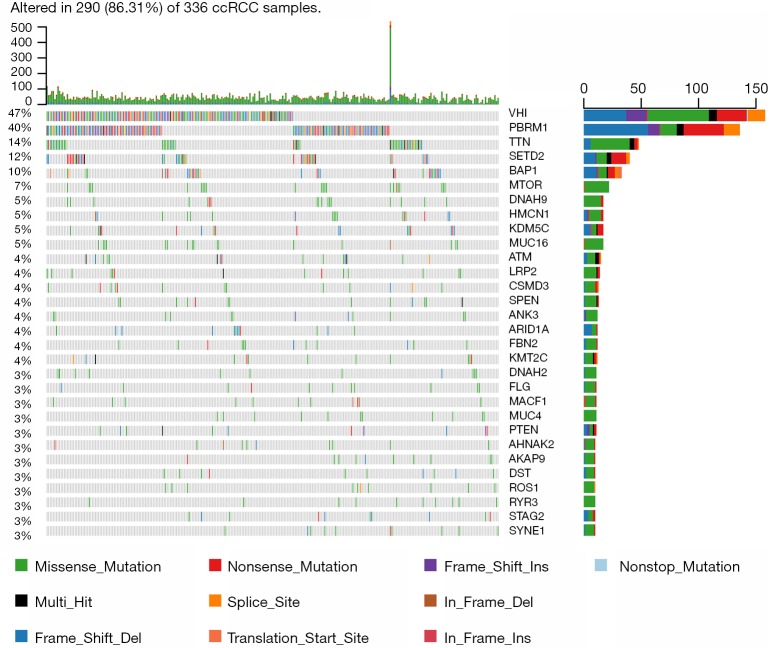
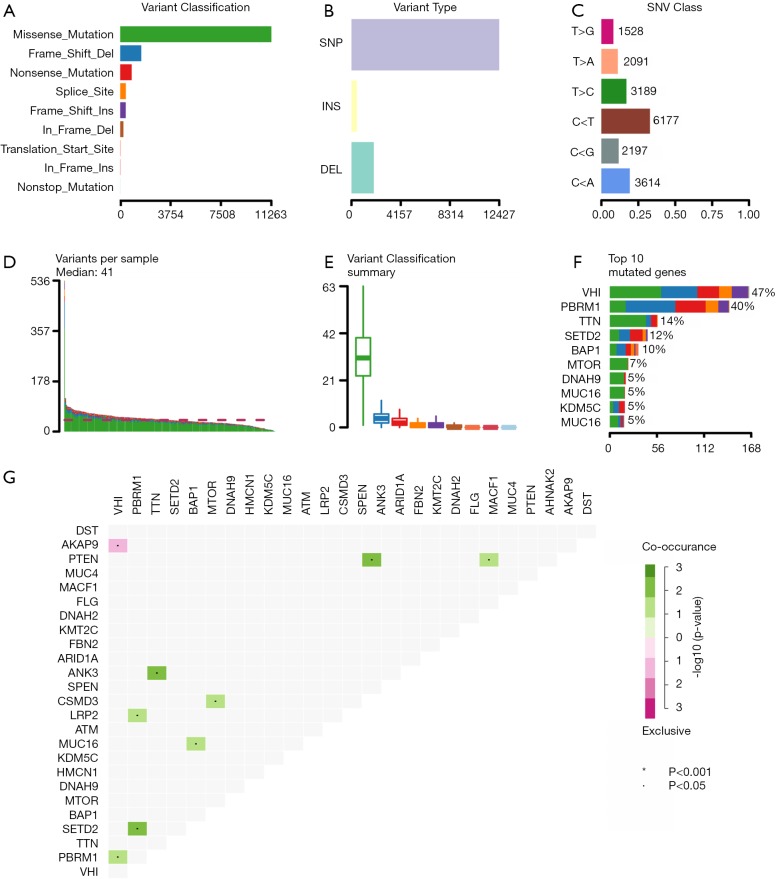
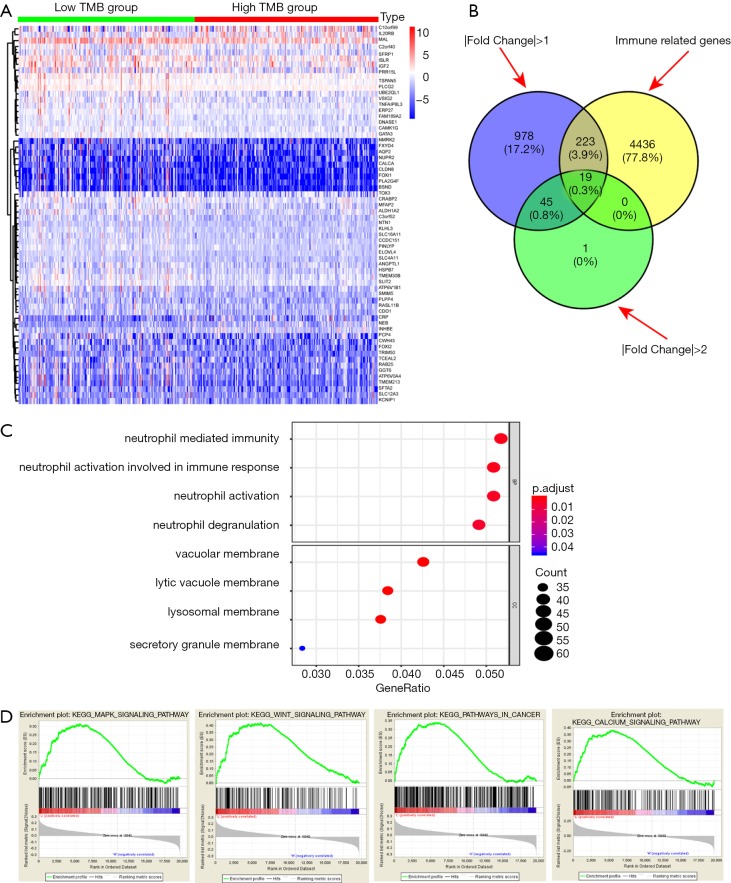
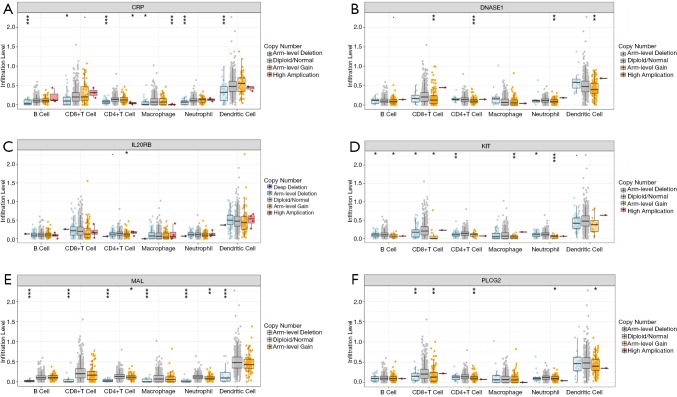
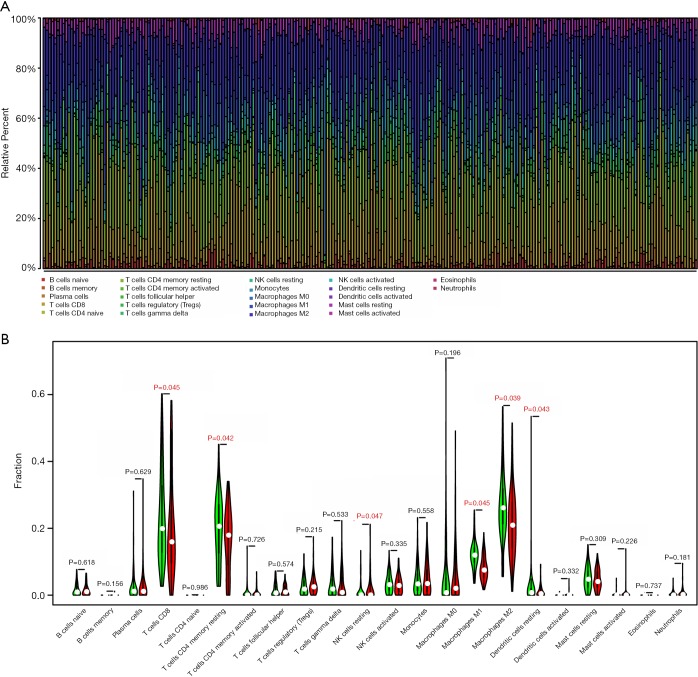
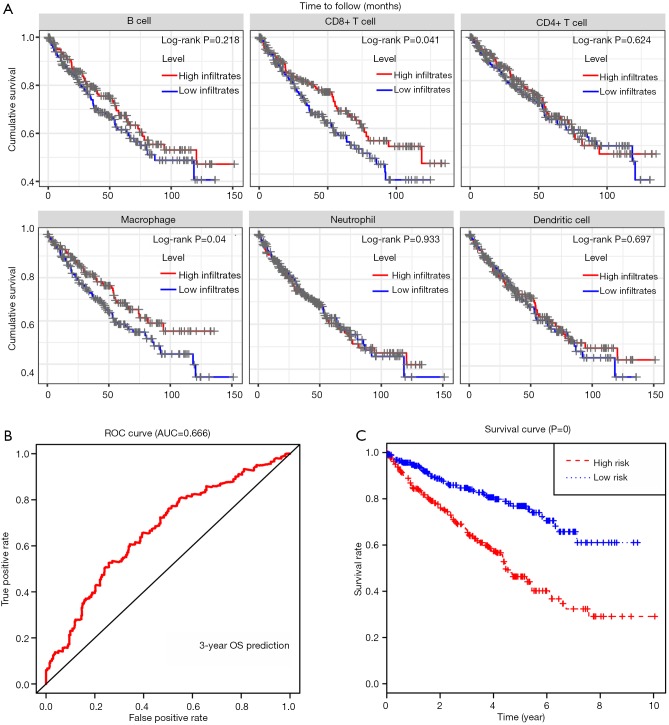
Methods: We downloaded the somatic mutation data of 336 ccRCC patients from the Cancer Genome Atlas (TCGA) database, and analyzed the mutation profiles with "maftools" package. TMB was calculated and we classified the samples into high-TMB and low-TMB group. Differential analysis was conducted to compare the expression profiles between two groups using "limma" package, and we identified the 9 hub TMB-related signature from batch survival analysis. Gene ontology (GO) analysis and Gene Set Enrichment Analysis (GSEA) were performed to screen significantly enriched pathways between two groups. Based on the TIMER database, we further assessed the relationships of the mutants of 9 TMB-related signature with immune infiltration levels in ccRCC. Besides, we utilized the "CIBERSORT" package to estimate the abundance of 22 immune fractions between low- and high-TMB groups, and the significant difference were determined by Wilcoxon rank-sum test. Furthermore, Cox regression model combined with survival analysis were used to evaluate the prognostic value of immune cells. Last, we constructed a Tumor Mutation Burden Prognostic Index (TMBPI) from multivariate Cox results and Receiver Operating Characteristic (ROC) curve was drawn to assess the predictive accuracy.
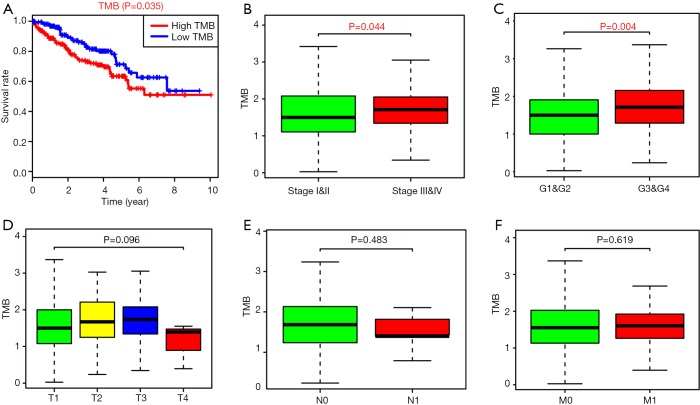
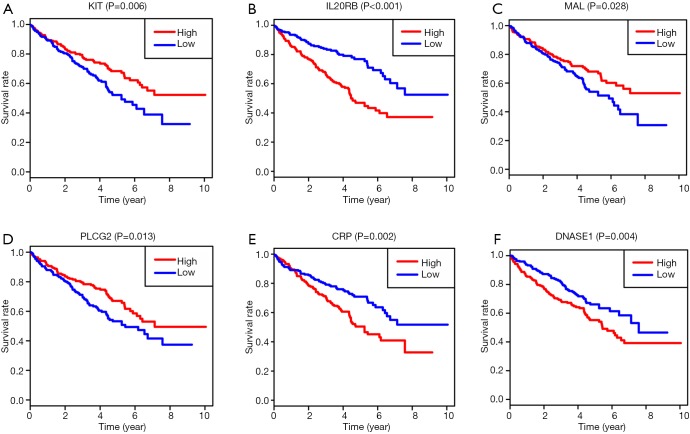
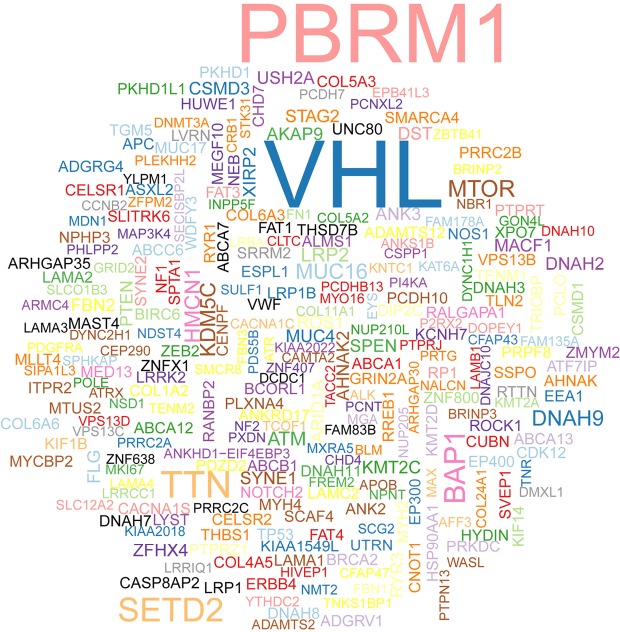
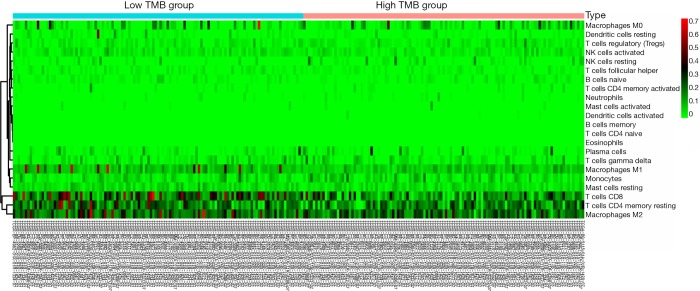
Results: Single nucleotide polymorphism (SNP) occurred more frequently than insertion or deletion, and C>T was the most common of SNV in ccRCC. Higher TMB levels conferred poor survival outcomes, associated with higher tumor grades and advanced pathological stages. A total of 1,265 differentially expressed genes were obtained and top 19 immune-related genes were identified in Venn diagram. GSEA revealed that patients in higher TMB groups correlated with MAPK signaling pathway, Wnt signaling pathway and pathway in cancers. Moreover, we identified 9 hub TMB-related immune genes related with survival and mutants of 9 signature were associated with lower immune infiltrates. In addition, infiltration levels of CD8+ T cell, CD4+ memory resting T cell, M1 and M2 macrophages, as well as dendritic resting cells in high-TMB group were lower than that in low-TMB group, especially the level of CD8+ T cell and macrophage correlated negatively with prognosis of ccRCC. Last, the TMBPI was constructed and the AUC of ROC curve was 0.666.
Conclusions: Higher TMB correlated with poor survival outcomes and might inhibit the immune infiltrates in ccRCC. The mutants of 9 hub TMB-related immune signature conferred lower immune cells infiltration which deserved further validation.
Keywords: TCGA; Tumor mutation burden (TMB); clear cell renal cell carcinoma (ccRCC); immune infiltrate; survival.
2019 Annals of Translational Medicine. All rights reserved.
Conflict of interest statement
Conflicts of Interest: The authors have no conflicts of interest to declare.
Figures
Comment in
-
Tumor mutational burden and immune signatures interplay in renal cell carcinoma.Ann Transl Med. 2020 Mar;8(6):269. doi: 10.21037/atm.2020.02.81. Ann Transl Med. 2020. PMID: 32355713 Free PMC article. No abstract available.
-
The influence of tumour mutational burden on renal cancer immune infiltration and survival.Ann Transl Med. 2020 Mar;8(6):271. doi: 10.21037/atm.2020.02.77. Ann Transl Med. 2020. PMID: 32355715 Free PMC article. No abstract available.
References
-
- Delahunt B, Eble JN. Papillary renal cell carcinoma: a clinicopathologic and immunohistochemical study of 105 tumors. Mod Pathol 1997;10:537-44. - PubMed
LinkOut - more resources
Full Text Sources
Research Materials