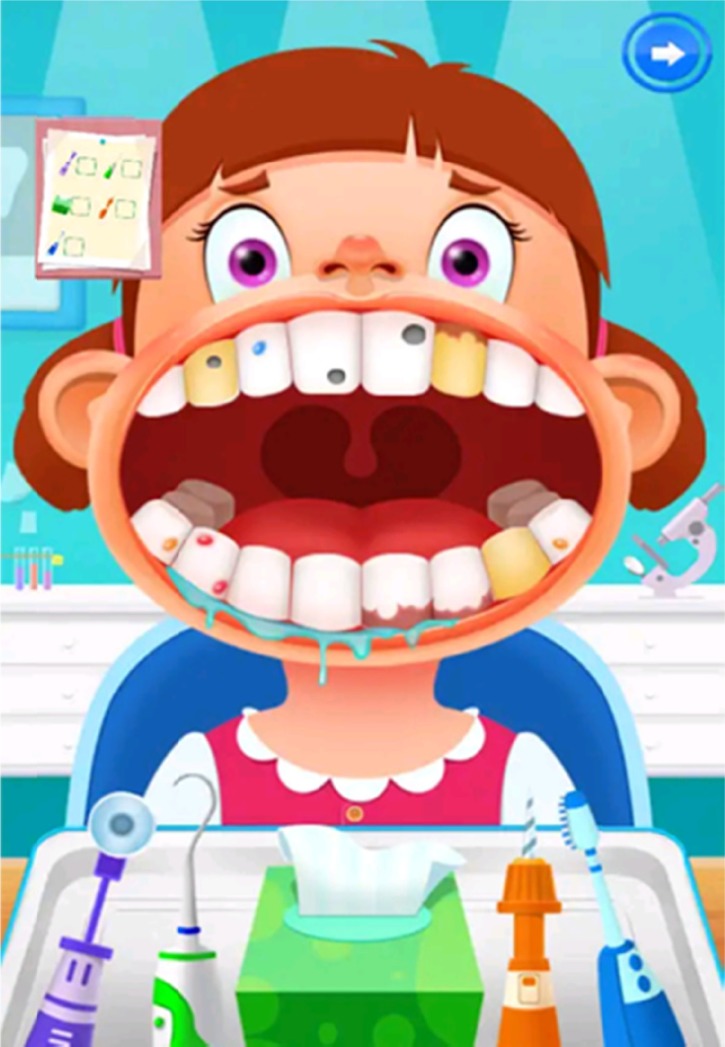
Comparative evaluation of the effectiveness of a mobile app (Little Lovely Dentist) and the tell-show-do technique in the management of dental anxiety and fear: a randomized controlled trial
- PMID: 31942452
- PMCID: PMC6946830
- DOI: 10.17245/jdapm.2019.19.6.369
Comparative evaluation of the effectiveness of a mobile app (Little Lovely Dentist) and the tell-show-do technique in the management of dental anxiety and fear: a randomized controlled trial
Abstract
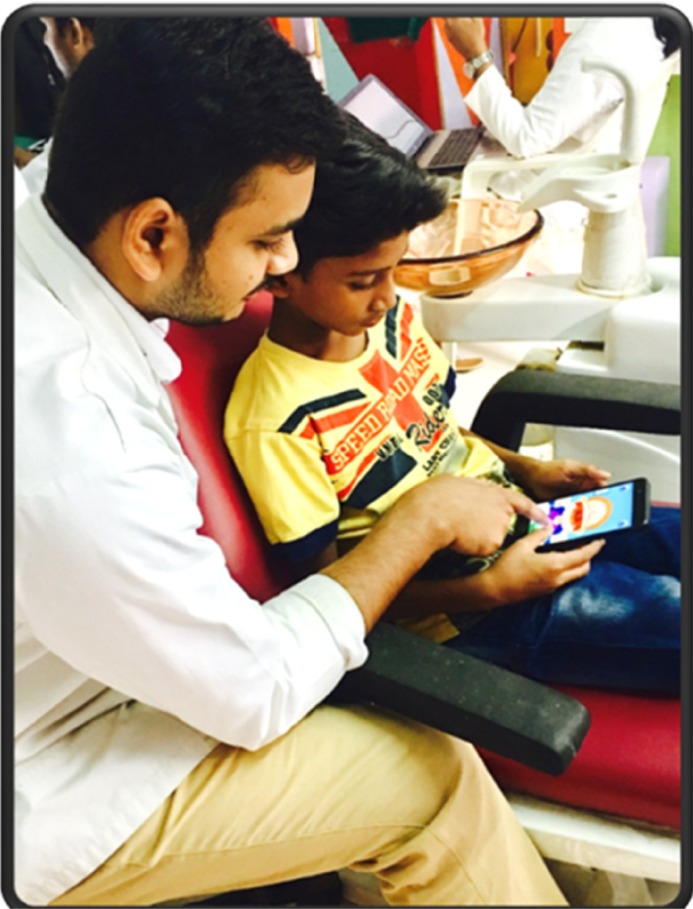
Background: Behavior guidance is a technique used to subdue inappropriate behavior by establishing communication that meets the needs of a child. This study aimed to measure the effectiveness of a mobile app (Little Lovely Dentist) compared to the tell-show-do (TSD) technique in managing anxious children during their first dental visit.
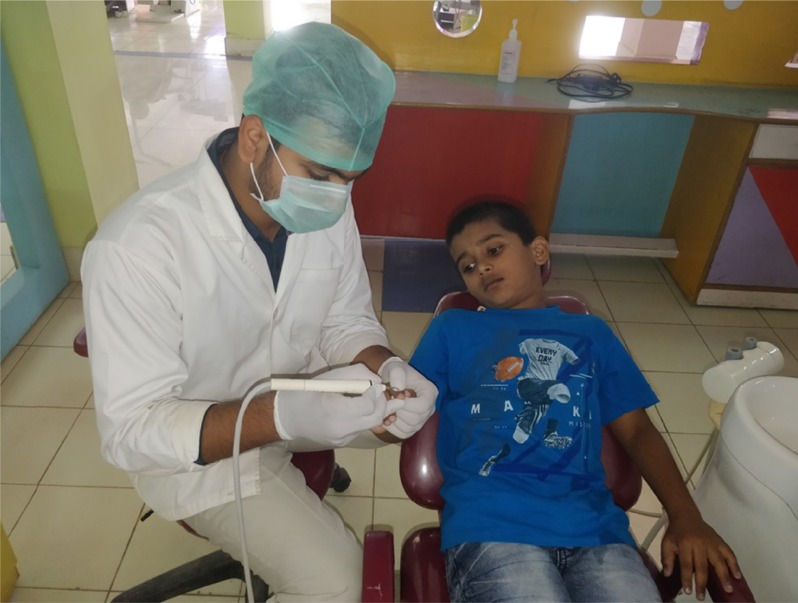
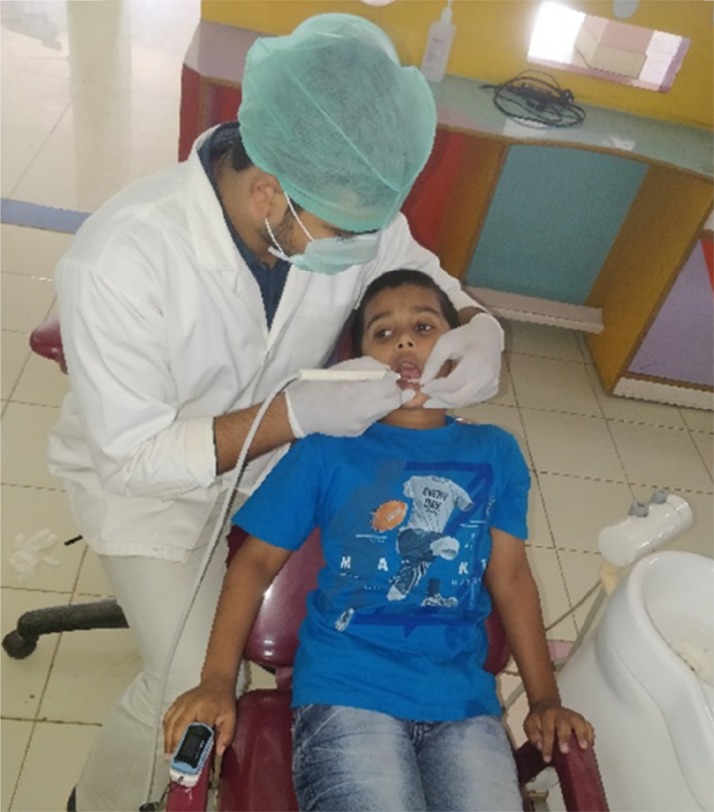
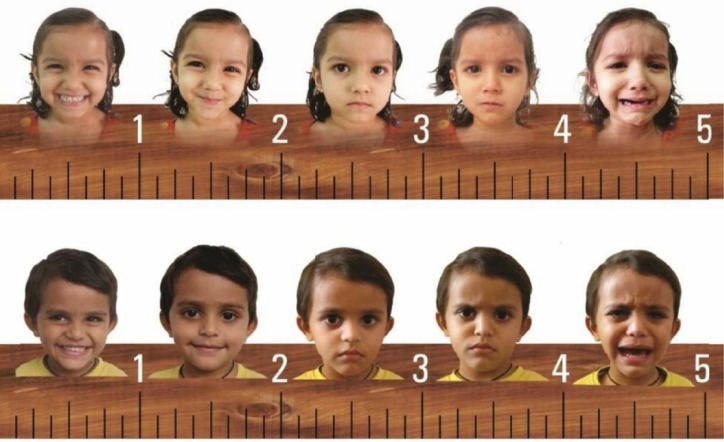
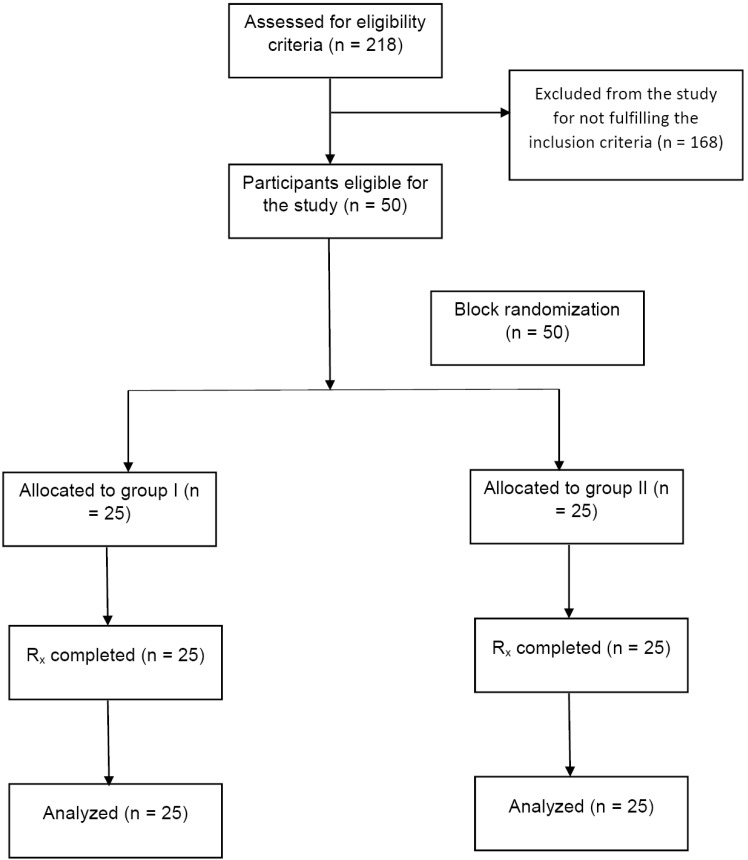
Methods: Fifty children (30 boys and 20 girls) without any past dental experience, aged from 7 to 11 years, were randomly allocated into either the dental app group or the TSD group. The pre- and post-operative anxiety of children who underwent prophylactic cleaning was assessed both physiologically and subjectively using a heart rate measurement and the RMS pictorial scale, respectively.
Results: The intragroup comparison of heart rate and RMS scores for children allocated to the dental app group was statistically significant (P value ≤ 0.001). However, a significant reduction only occurred in the RMS scores, but not the heart rate measurements, in the TSD group. Conversely, there was an increase in heart rates in the TSD group.
Conclusion: Educating the child prior to a dental procedure using a smartphone application such as Little Lovely Dentist can significantly alleviate the anticipatory anxiety and engage children in dental treatment during their first visit.
Keywords: Anxiety; Behavior Guidance; Dental Application; First Dental Visit; Tell-Show-Do.
Copyright © 2019 Journal of Dental Anesthesia and Pain Medicine.
Figures
References
-
- Shetty RM, Khandelwal M, Rath S. RMS Pictorial Scale (RMS-PS): An innovative scale for the assessment of child's dental anxiety. J Indian Soc Pedod Prev Dent. 2015;33:48–52. - PubMed
-
- Rantavuori K, Zerman N, Ferro R, Lahti S. Relationship between children's first dental visit and their dental anxiety in the Veneto Region of Italy. Acta Odontol Scand. 2002;60:297–300. - PubMed
-
- Roshan NM, Virupaxi SG, Bharath KP, Poornima P, Nagaveni NB, Neena IE. A comparative study of filmed modeling and tell-show-do technique on anxiety in children undergoing dental treatment. J Oral Health Comm Dent. 2018;12:20–24.
-
- Darrow CW. Physiological and clinical tests of autonomic function and autonomic balance. Physiol Rev. 1943;23:1–36.
-
- Milgrom P, Mancl L, King B, Weinstein P. Origins of childhood dental fear. Behav Res Ther. 1995;33:313–319. - PubMed
LinkOut - more resources
Full Text Sources
Miscellaneous