


Citrus limon (Lemon) Phenomenon-A Review of the Chemistry, Pharmacological Properties, Applications in the Modern Pharmaceutical, Food, and Cosmetics Industries, and Biotechnological Studies
- PMID: 31963590
- PMCID: PMC7020168
- DOI: 10.3390/plants9010119
Citrus limon (Lemon) Phenomenon-A Review of the Chemistry, Pharmacological Properties, Applications in the Modern Pharmaceutical, Food, and Cosmetics Industries, and Biotechnological Studies
Abstract
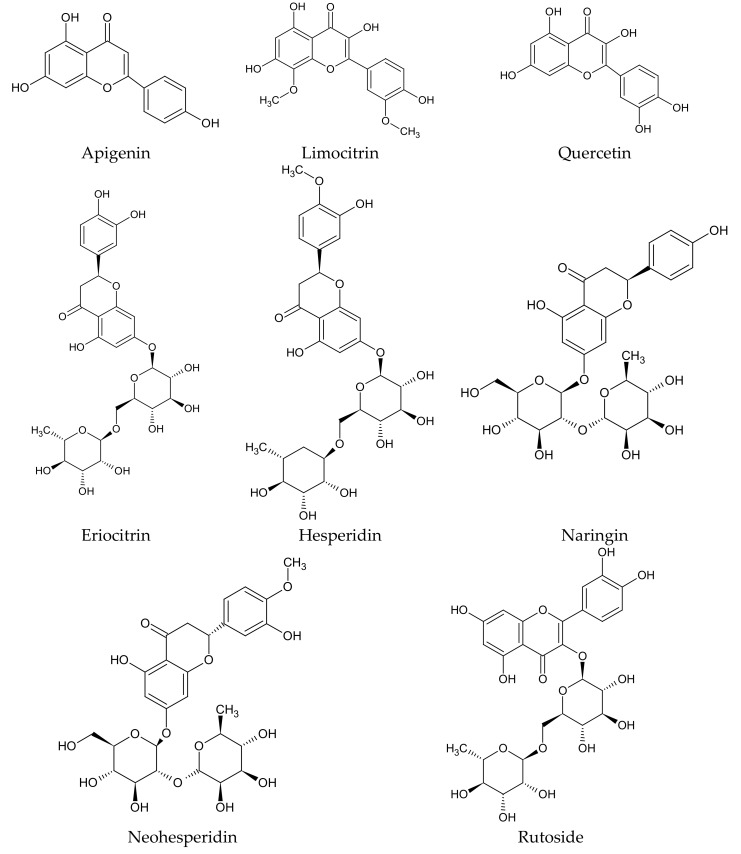
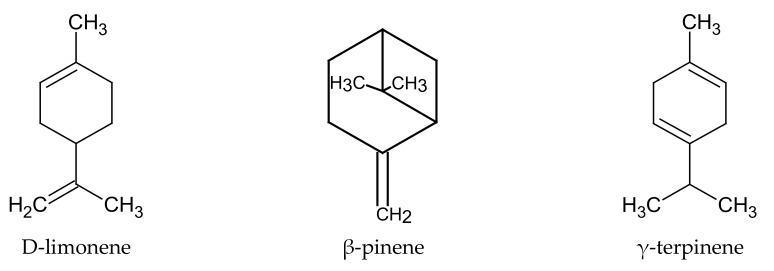
This review presents important botanical, chemical and pharmacological characteristics of Citrus limon (lemon)-a species with valuable pharmaceutical, cosmetic and culinary (healthy food) properties. A short description of the genus Citrus is followed by information on the chemical composition, metabolomic studies and biological activities of the main raw materials obtained from C. limon (fruit extract, juice, essential oil). The valuable biological activity of C. limon is determined by its high content of phenolic compounds, mainly flavonoids (e.g., diosmin, hesperidin, limocitrin) and phenolic acids (e.g., ferulic, synapic, p-hydroxybenzoic acids). The essential oil is rich in bioactive monoterpenoids such as D-limonene, β-pinene, γ-terpinene. Recently scientifically proven therapeutic activities of C. limon include anti-inflammatory, antimicrobial, anticancer and antiparasitic activities. The review pays particular attention, with references to published scientific research, to the use of C. limon in the food industry and cosmetology. It also addresses the safety of use and potential phototoxicity of the raw materials. Lastly, the review emphasizes the significance of biotechnological studies on C. limon.
Keywords: biological activity; biotechnological studies; chemical composition; cosmetic applications; lemon; phototoxicity.
Conflict of interest statement
All authors declare that they have no conflict of interest.
Figures
References
-
- Goetz P. Citrus limon (L.) Burm. f. (Rutacées). Citronnier. Phytotherapie. 2014;12:116–121. doi: 10.1007/s10298-014-0854-6. - DOI
-
- Mabberley D.J. Citrus (Rutaceae): A review of recent advances in etymology, systematics and medical applications. Blumea J. Plant Taxon. Plant Geogr. 2004;49:481–498. doi: 10.3767/000651904X484432. - DOI
-
- Bhatia H., Pal Sharma Y., Manhas R.K., Kumar K. Traditional phytoremedies for the treatment of menstrual disorders in district Udhampur, J&K, India. J. Ethnopharmacol. 2015;160:202–210. - PubMed
Publication types
LinkOut - more resources
Full Text Sources
Other Literature Sources
