


Grapevine Green Pruning Residues as a Promising and Sustainable Source of Bioactive Phenolic Compounds
- PMID: 31979066
- PMCID: PMC7038121
- DOI: 10.3390/molecules25030464
Grapevine Green Pruning Residues as a Promising and Sustainable Source of Bioactive Phenolic Compounds
Abstract
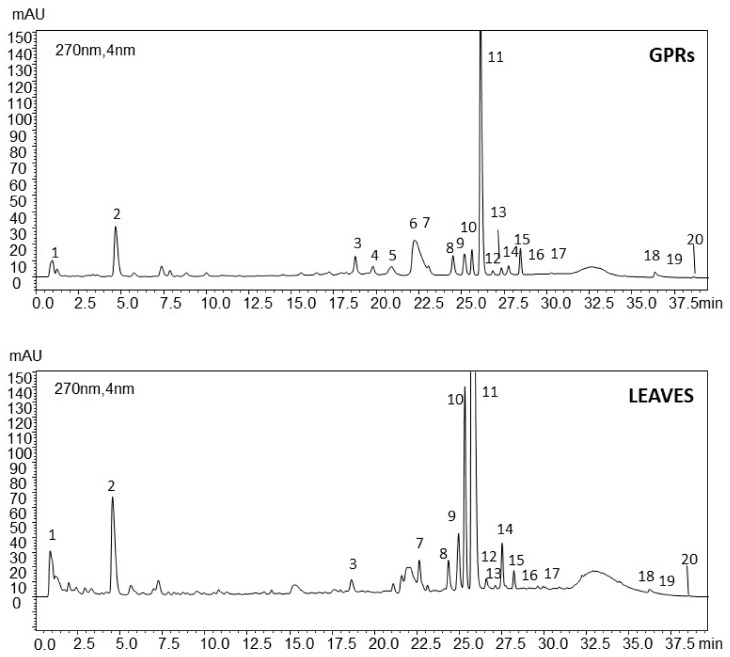
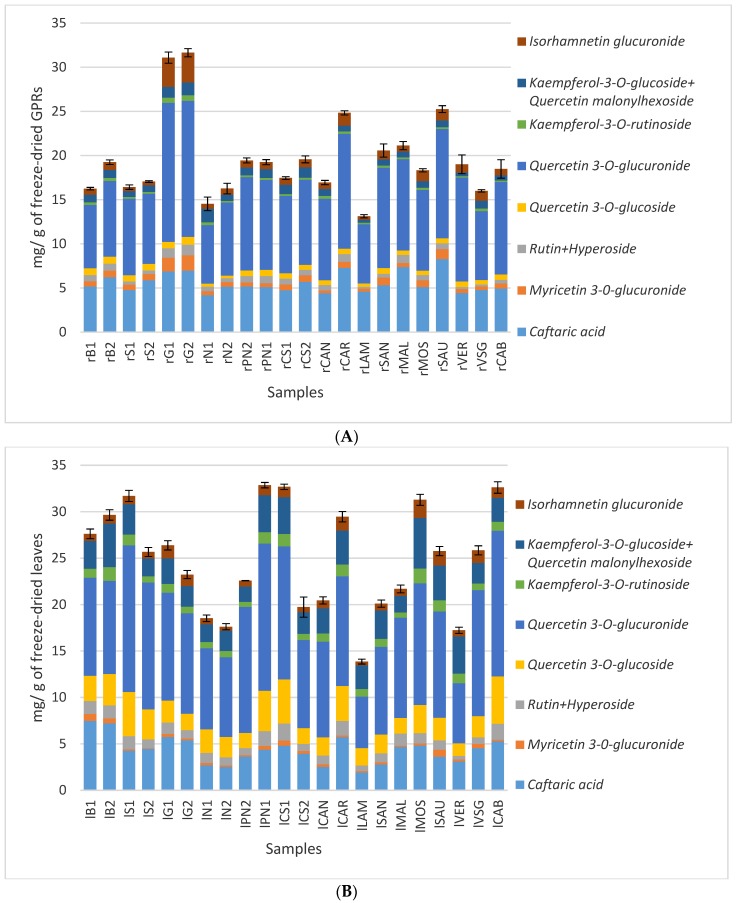
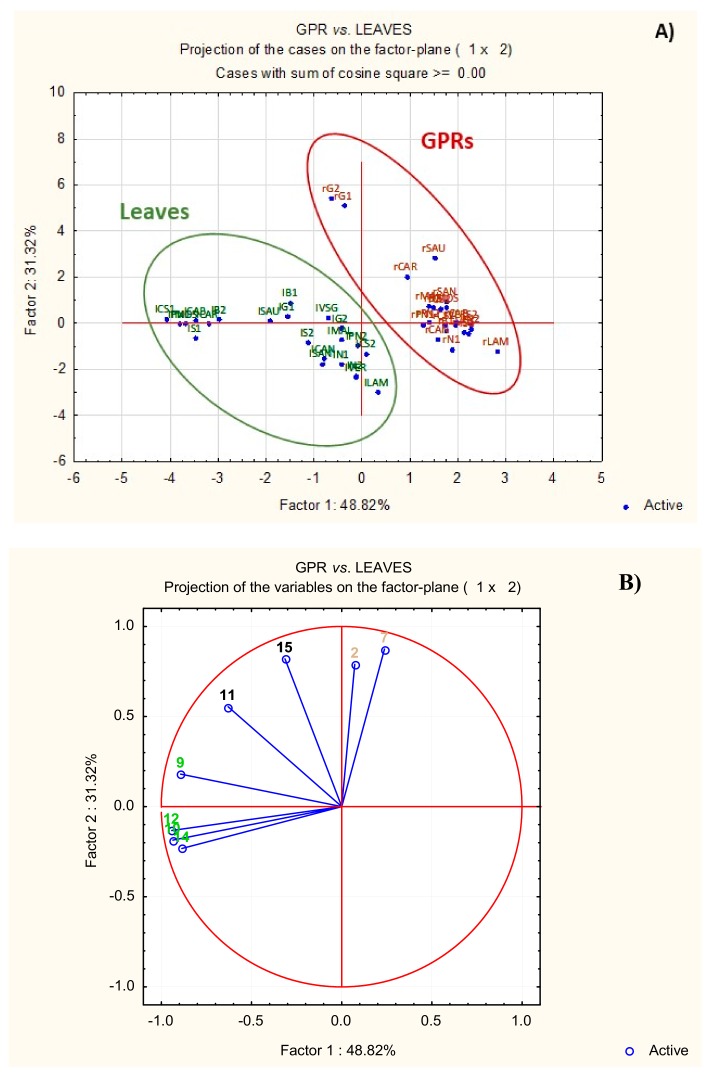
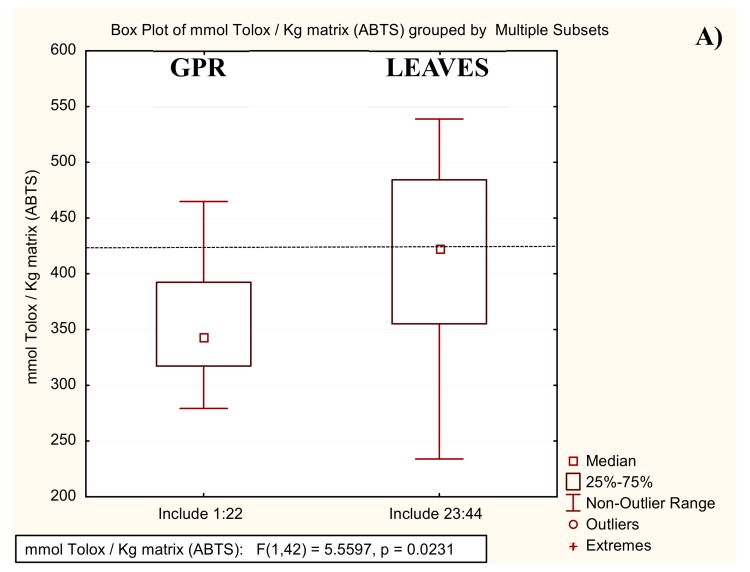
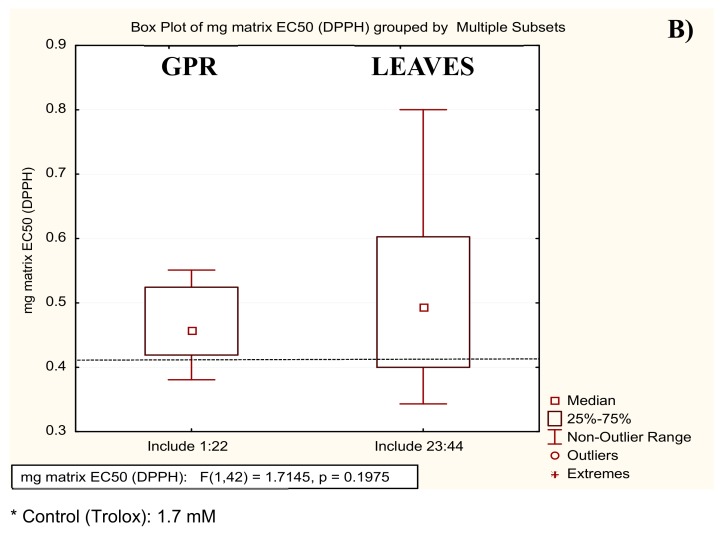
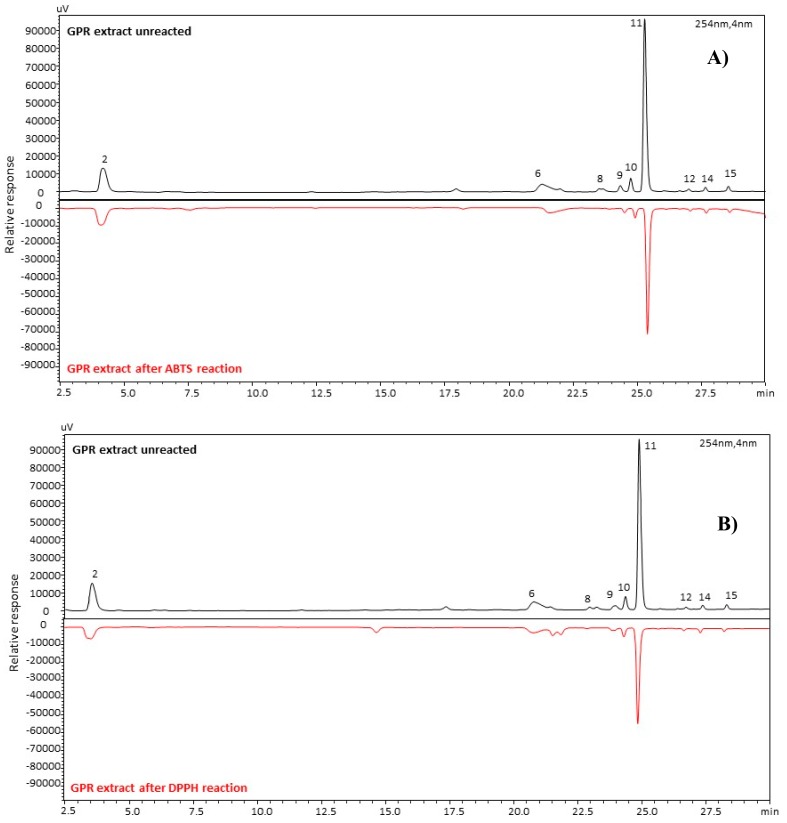
Green pruning residues (GPRs) and leaves from 16 red and white Vitis vinifera L. cultivars from Piedmont (Italy) were studied. The investigated samples were extracted by ultrasound-assisted extraction optimized by an experimental design, and quali- and quantitatively analyzed by HPLC-PDA-MS/MS. GPRs and leaves show a similar polyphenolic pattern, with quercetin 3-O-glucuronide, caftaric acid, and quercetin 3-O-glucoside as the main components, although in variable proportions. The HPLC results were related to the antioxidant activity, measured as total phenolic content and through DPPH and ABTS assays with similar results. Colorimetric in vitro assays, offline combined with HPLC-PDA analysis, determine which compounds contribute to the antioxidant activity in terms of radical scavenging abilities. Valorization of GPRs is a potential source of natural compounds that could be of interest in the health field, increasing their economic value together with a positive effect on the environment.
Keywords: HPLC-PDA-ESI-MS/MS; Vitis vinifera L.; antioxidant activity; colorimetric in vitro assays; green pruning residues; phenolic pattern; viticulture sustainability.
Conflict of interest statement
The authors declare no conflict of interest.
Figures
References
-
- FAOSTAT, Food and Agriculture Organization of the United Nations. [(accessed on 18 March 2019)];2016 Available online: http://www.fao.org/faostat/en/#data/QC/visualize.
-
- Rondeau P., Gambier F., Jolibert F., Brosse N. Compositions and chemical variability of grape pomaces from French vineyard. Ind. Crops Prod. 2013;43:251–254. doi: 10.1016/j.indcrop.2012.06.053. - DOI
-
- Jesus M.S., Romaní A., Genisheva Z., Teixeira J.A., Domingues L. Integral valorization of vine pruning residue by sequential autohydrolysis stages. J. Clean Prod. 2017;168:74–86. doi: 10.1016/j.jclepro.2017.08.230. - DOI
-
- Kammerer D.R., Kammerer J., Valet R., Carle R. Recovery of polyphenols from the by-products of plant food processing and application as valuable food ingredients. Food Res. Int. 2014;65:2–12. doi: 10.1016/j.foodres.2014.06.012. - DOI
