


Interventions for chronic pruritus of unknown origin
- PMID: 31981369
- PMCID: PMC6984650
- DOI: 10.1002/14651858.CD013128.pub2
Interventions for chronic pruritus of unknown origin
Abstract
Background: Pruritus is a sensation that leads to the desire to scratch; its origin is unknown in 8% to 15% of affected patients. The prevalence of chronic pruritus of unknown origin (CPUO) in individuals with generalised pruritus ranges from 3.6% to 44.5%, with highest prevalence among the elderly. When the origin of pruritus is known, its management may be straightforward if an effective treatment for the causal disease is available. Treatment of CPUO is particularly difficult due to its unknown pathophysiology.
Objectives: To assess the effects of interventions for CPUO in adults and children.
Search methods: We searched the following up to July 2019: Cochrane Skin Group Specialised Register, CENTRAL, MEDLINE, Embase, and trials registries. We checked the reference lists of included studies for additional references to relevant trials.
Selection criteria: We sought to include randomised controlled trials and quasi-randomised controlled trials that assessed interventions for CPUO, as defined in category VI ('Other pruritus of undetermined origin, or chronic pruritus of unknown origin') of the International Forum for the Study of Itch (IFSI) classification, in children and adults. Eligible interventions were non-pharmacological or topical or systemic pharmacological interventions, and eligible comparators were another active treatment, placebo, sham procedures, or no treatment or equivalent (e.g. waiting list).
Data collection and analysis: We used standard methodological procedures expected by Cochrane. Our primary outcomes were 'Patient- or parent-reported pruritus intensity' and 'Adverse events'. Our secondary outcomes were 'Health-related quality of life', 'Sleep disturbances', 'Depression', and 'Patient satisfaction'. We used GRADE to assess the certainty of evidence.
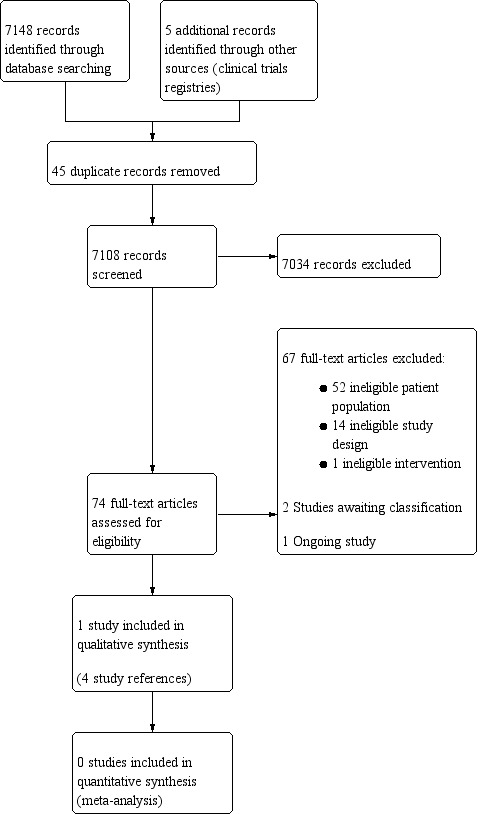
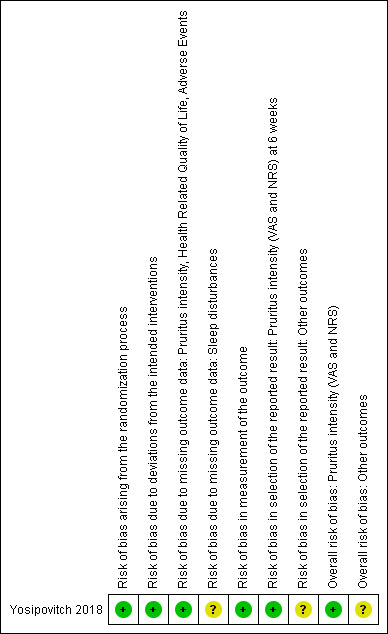
Main results: We found there was an absence of evidence for the main interventions of interest: emollient creams, cooling lotions, topical corticosteroids, topical antidepressants, systemic antihistamines, systemic antidepressants, systemic anticonvulsants, and phototherapy. We included one study with 257 randomised (253 analysed) participants, aged 18 to 65 years; 60.6% were female. This study investigated the safety and efficacy of three different doses of oral serlopitant (5 mg, 1 mg, and 0.25 mg, once daily for six weeks) compared to placebo for severe chronic pruritus; 25 US centres participated (clinical research centres and universities). All outcomes were measured at the end of treatment (six weeks from baseline), except adverse events, which were monitored throughout. A pharmaceutical company funded this study. Fifty-five per cent of participants suffered from CPUO, and approximately 45% presented a dermatological diagnosis (atopic dermatitis/eczema 37.3%, psoriasis 6.7%, acne 3.6%, among other diagnoses). We unsuccessfully attempted to retrieve outcome data from study authors for the subgroup of participants with CPUO. Participants had pruritus for six weeks or longer. Total study duration was 10 weeks. Participants who received serlopitant 5 mg may have a greater rate of relief of patient-reported pruritus intensity as measured by the visual analogue scale (VAS; a reduction in VAS score indicates improvement) compared to placebo (126 participants, risk ratio (RR) 2.06, 95% confidence interval (CI) 1.27 to 3.35; low-certainty evidence). We are uncertain of the effects of serlopitant 5 mg compared to placebo on the following outcomes due to very low-certainty evidence: adverse events (127 participants; RR 1.48, 95% CI 0.87 to 2.50); health-related quality of life (as measured by the Dermatology Life Quality Index (DLQI); a higher score indicates greater impairment; 127 participants; mean difference (MD) -4.20, 95% CI -11.68 to 3.28); and sleep disturbances (people with insomnia measured by the Pittsburgh Sleep Symptom Questionnaire-Insomnia (PSSQ-I), a dichotomous measure; 128 participants; RR 0.49, 95% CI 0.24 to 1.01). Participants who received serlopitant 1 mg may have a greater rate of relief of patient-reported pruritus intensity as measured by VAS compared to placebo; however, the 95% CI indicates that there may also be little to no difference between groups (126 participants; RR 1.50, 95% CI 0.89 to 2.54; low-certainty evidence). We are uncertain of the effects of serlopitant 1 mg compared to placebo on the following outcomes due to very low-certainty evidence: adverse events (128 participants; RR 1.45, 95% CI 0.86 to 2.47); health-related quality of life (DLQI; 128 participants; MD -6.90, 95% CI -14.38 to 0.58); and sleep disturbances (PSSQ-I; 128 participants; RR 0.38, 95% CI 0.17 to 0.84). Participants who received serlopitant 0.25 mg may have a greater rate of relief of patient-reported pruritus intensity as measured by VAS compared to placebo; however, the 95% CI indicates that there may also be little to no difference between groups (127 participants; RR 1.66, 95% CI 1.00 to 2.77; low-certainty evidence). We are uncertain of the effects of serlopitant 0.25 mg compared to placebo on the following outcomes due to very low-certainty evidence: adverse events (127 participants; RR 1.29, 95% CI 0.75 to 2.24); health-related quality of life (DLQI; 127 participants; MD -5.70, 95% CI -13.18 to 1.78); and sleep disturbances (PSSQ-I; 127 participants; RR 0.60, 95% CI 0.31 to 1.17). The most commonly reported adverse events were somnolence, diarrhoea, headache, and nasopharyngitis, among others. Our included study did not measure depression or patient satisfaction. We downgraded the certainty of evidence for all outcomes due to indirectness (only 55% of study participants had CPUO) and imprecision. We downgraded outcomes other than patient-reported pruritus intensity a further level due to concerns regarding risk of bias in selection of the reported result and some concerns with risk of bias due to missing outcome data (sleep disturbances only). We deemed risk of bias to be generally low.
Authors' conclusions: We found lack of evidence to address our review question: for most of our interventions of interest, we found no eligible studies. The neurokinin 1 receptor (NK1R) antagonist serlopitant was the only intervention that we could assess. One study provided low-certainty evidence suggesting that serlopitant may reduce pruritus intensity when compared with placebo. We are uncertain of the effects of serlopitant on other outcomes, as certainty of the evidence is very low. More studies with larger sample sizes, focused on patients with CPUO, are needed. Healthcare professionals, patients, and other stakeholders may have to rely on indirect evidence related to other forms of chronic pruritus when deciding between the main interventions currently used for this condition.
Copyright © 2020 The Cochrane Collaboration. Published by John Wiley & Sons, Ltd.
Conflict of interest statement
Andrea Andrade Miranda: none known. Juan Franco: none known. Gloria Sanclemente: none known. Chii Yang Kuah: none known. Volha Shpadaruk: none known. Juliana Esther Martin‐Lopez: none known. Shunjie (Sean) Chua: none known.
Figures
Update of
References
References to studies included in this review
Yosipovitch 2018 {published and unpublished data}
-
- NCT01951274. VPD‐737 for treatment of chronic pruritus. clinicaltrials.gov/ct2/show/NCT01951274 (first received 26 September 2013). [CENTRAL: CN‐01490321]
-
- Stander S, Yosipovitch G, Kerby MB, Larrick JW, Perlman AJ, Schnipper EF, et al. A randomized, multicenter, double‐blind, placebo‐controlled Phase II clinical trial of serlopitant for the treatment of chronic pruritus. Journal of Clinical and Aesthetic Dermatology 2018;11(5):S18‐9. [CENTRAL: CN‐01713680] - PubMed
-
- Yosipovitch G, Stander S, Kerby MB, Larrick JW, Perlman AJ, Schnipper EF, et al. Serlopitant for the treatment of chronic pruritus: results of a randomized, multicenter, placebo‐controlled phase 2 clinical trial. Journal of the American Academy of Dermatology 2018;78(5):882‐91.e10. [CENTRAL: CN‐01665334] - PubMed
-
- Yosipovitch G, Stander S, Kerby MB, Larrick JW, Perlman AJ, Schnipper EF, et al. Serlopitant for treatment of chronic pruritus: results of a randomized, multicenter, double‐blind, placebo‐controlled phase 2 clinical trial. Acta Dermato‐Venereologica 2017;97(8):1015. [CENTRAL: CN‐01451357] - PubMed
References to studies excluded from this review
Acar 2010 {published data only}
-
- Acar B, Karabulut H, Sahin Y, Babademez MA, Karadag AS, Karasen RM. New treatment strategy and assessment questionnaire for external auditory canal pruritis: topical pimecrolimus therapy and Modified Itch Severity Scale. Journal of Laryngology and Otology 2010;124(2):147‐51. [CENTRAL: CN‐00748973; PUBMED: 19922703] - PubMed
Adams 1996 {published data only}
-
- Adams ML, Houpt KR, Cruz PD Jr. Is phototherapy safe for HIV‐infected individuals?. Photochemistry & Photobiology 1996;64(2):234‐7. [PUBMED: 8760560] - PubMed
Agero 2004 {published data only}
-
- Agero AL, Verallo‐Rowell VM. A randomized double‐blind controlled trial comparing extra virgin coconut oil with mineral oil as a moisturizer for mild to moderate xerosis. Dermatitis 2004;15(3):109‐16. [CENTRAL: CN‐00506032; PUBMED: 15724344] - PubMed
Agot 1975 {published data only}
-
- Agot H. Clinical trial of a new dermocorticosteroid, Diprosone (pommade). Marseille Medical 1975;112(12):737‐9.
AkhavanAmjadi 2012 {published data only}
Al Ghnaniem 2007 {published data only}
-
- Al‐Ghnaniem R, Short K, Pullen A, Fuller LC, Rennie JA, Leather AJM. 1% hydrocortisone ointment is an effective treatment of pruritus ani: a pilot randomized controlled crossover trial. International Journal of Colorectal Disease 2007;22(12):1463. [CENTRAL: CN‐00618144; PUBMED: 17534634] - PubMed
Ancona‐Castro 2018 {published data only}
-
- Ancona‐Castro C, Navarrete‐Solis J, Carmen Palacios‐Saucedo G. Efficacy of gabapentin compared to hydroxyzine in the treatment of chronic pruritus. Dermatologia Revista Mexicana 2018;62(6):486‐96. [CENTRAL: CN‐01744736]
Anonymous 1980 {published data only}
-
- Anonymous. Atarax (hydroxyzine) for itching. Medical Letter on Drugs & Therapeutics 1980;22(1):4. [PUBMED: 6986543] - PubMed
Anonymous 2005 {published data only}
-
- Anonymous. Antipuritic therapy with naltrexone. Hautarzt 2005;56(4):312. [PUBMED: 16320411] - PubMed
Anonymous 2015 {published data only}
-
- Anonymous. Abstracts from the 8th World Congress on Itch, WCI 2015. Acta Dermato Venereologica, Supplement. Conference: 8th World Congress on Itch, WCI 2015;95(7):875‐912(38).
Armond 1976 {published data only}
-
- Armond S, D'Avila FP. Clinical trial with synthetic corticotrophin in dermatology. Folha Medica 1976;73(4):379‐84.
Augustin 2011 {published data only}
-
- Augustin M, Phan NQ, Blome C, Neufang G, Stander S. Topical therapy with a new cooling compound in patients with chronic pruritus. Acta Dermato‐Venereologica 2011;91(5):626.
Bernstein 1979 {published data only}
-
- Bernstein JE, Swift R. Relief of intractable pruritus with naloxone. Archives of Dermatology 1979;115(11):1366‐7. [PUBMED: 389168] - PubMed
Bigliardi 2007 {published data only}
-
- Bigliardi PL, Stammer H, Jost G, Rufli T, Buchner S, Bigliardi‐Qi M. Treatment of pruritus with topically applied opiate receptor antagonist. Journal of the American Academy of Dermatology 2007;56(6):979‐88. [CENTRAL: CN‐00587008] - PubMed
Brasileiro 2016 {published data only}
Burch 1988 {published data only}
-
- Burch JR, Harrison PV. Opiates, sleep and itch. Clinical & Experimental Dermatology 1988;13(6):418‐9. [PUBMED: 3076856] - PubMed
Caddy 1966 {published data only}
-
- Caddy JA. Evaluation of a pediatric oral antipruritic preparation. Applied Therapeutics 1966;8(4):346‐9. [PUBMED: 4379813] - PubMed
Carati 2013 {published data only}
-
- Carati D, Guido M, Malvasi A, Zizza A, Tinelli A. Efficacy of a Dermoxen lenitiva for pruritus genitalis in a randomized, double blind trial. European Review for Medical & Pharmacological Sciences 2013;17(19):2668‐74. [PUBMED: 24142616] - PubMed
Chatterjee 2005 {published data only}
-
- Chatterjee S, Datta RN, Bhattacharyya D, Bandopadhyay SK. Emollient and antipruritic effect of Itch cream in dermatological disorders: a randomized controlled trial. Indian Journal of Pharmacology 2005;37(4):253‐4. [DOI: 10.4103/0253-7613.16574] - DOI
ChiCTR‐IOR‐16009877 {published data only}
-
- ChiCTR‐IOR‐16009877. Acupunture treatment on disease of skin pruritus. www.chictr.org.cn/showprojen.aspx?proj=16842 (first received 27 July 2016). [CENTRAL: CN‐01850071]
CHICTR‐TRC‐11001485 {published data only}
-
- ChiCTR‐TRC‐11001485. A comparative study on the efficacy and safety of Olopatadine Hydrochloride versus Cetirizine in the treatment of cutaneous pruritus. www.who.int/trialsearch/Trial2.aspx?TrialID=ChiCTR‐TRC‐11001485 (first received 23 August 2011). [CENTRAL: CN‐01861195]
Dupont 1984 {published data only}
-
- Dupont C, Maubeuge J, Kotlar W, Lays Y, Masson M. Oxatomide in the treatment of pruritus senilis. A double‐blind placebo‐controlled trial. Dermatologica 1984;169(6):348‐53. [PUBMED: 6151914] - PubMed
Dyshko 1966 {published data only}
-
- Dyshko AS. On cutaneous pruritus. Sovetskaia Meditsina 1966;29(4):125‐8. - PubMed
Eberhartinger 1969 {published data only}
-
- Eberhartinger C, Ebner H. Experience with a new antihistaminic in dermatology: results of a clinical double blind trial. Wiener Medizinische Wochenschrift (1946) 1969;119(38):630‐2. - PubMed
Elsaie 2016 {published data only}
Eschler 2010 {published data only}
-
- Eschler DC, Klein PA. An evidence‐based review of the efficacy of topical antihistamines in the relief of pruritus. Journal of Drugs in Dermatology 2010;9(8):992‐7. [PUBMED: 20684150] - PubMed
Essen 1953 {published data only}
-
- Essen LE. Trial use of the hyaluronidase inhibitors polyphloretin phosphate and polyphloroglucin phosphate in clinical dermatology with special consideration of antipruritic effect. Svenska Lakartidningen 1953;50(7):341‐55. - PubMed
Evers 2017 {published data only}
-
- Evers A. How to alter placebo and nocebo effects in patients with chronic itch?. Acta Dermato‐Venereologica 2017;97(8):1017.
Fischer 1968 {published data only}
-
- Fischer RW. Comparison of antipruritic agents administered orally. A double‐blind study. JAMA 1968;203(6):418‐9. [PUBMED: 4865235] - PubMed
Fjellner 1978 {published data only}
-
- Fjellner B, Hagermark O. Transcutaneous nerve stimulation and itching. Acta Dermato‐Venereologica 1978;58(2):131‐4. [PUBMED: 76391] - PubMed
Fjellner 1981 {published data only}
-
- Fjellner B. Experimental and clinical pruritus. Studies on some putative peripheral mediators. The influence of ultraviolet light and transcutaneous nerve stimulation. Acta Dermato‐Venereologica Supplementum 1981;97:1‐34. [PUBMED: 6177180] - PubMed
Ginsberg 2004 {published data only}
-
- Ginsberg DL. Paroxetine effective for severe nondermatological pruritus. Primary Psychiatry 2004;11(7):22‐3.
Gisslen 1962 {published data only}
-
- Gisslen H, Hellgren L. Clinical trial of alimemazine as an anti‐pruritic agent. Nordisk Medicin 1962;67:605‐7. [PUBMED: 13898959] - PubMed
Gooding 2010 {published data only}
-
- Gooding SM, Canter PH, Coelho HF, Boddy K, Ernst E. Systematic review of topical capsaicin in the treatment of pruritus. International Journal of Dermatology 2010;49(8):858‐65. [PUBMED: 21128913] - PubMed
Hagermark 1974 {published data only}
-
- Hagermark O, Strandberg K. Comparison of the antihistaminic effects in skin of a tertiary (promethazine) and a quarternary phenothiazine (N‐hydroxyethylpromethazine). Acta Allergologica 1974;29(6):462‐8. [PUBMED: 4155913] - PubMed
Heinlin 2013 {published data only}
-
- Heinlin J, Isbary G, Stolz W, Zeman F, Landthaler M, Morfill G, et al. A randomized two‐sided placebo‐controlled study on the efficacy and safety of atmospheric non‐thermal argon plasma for pruritus. Journal of the European Academy of Dermatology and Venereology 2013;27(3):324‐31. [DOI: 10.1111/j.1468-3083.2011.04395.x] - DOI - PubMed
Hellier 1963 {published data only}
-
- Hellier FF. A comparative trial of trimeprazine and amylobarbitone in pruritis. Lancet 1963;1(7279):471‐2. [CENTRAL: CN‐00306393] - PubMed
IRCT2014112613612N3 {published data only}
-
- IRCT2014112613612N3. The effect of levothyroxine on patients with chronic pruritus. en.irct.ir/trial/13427 (first received 6 November 2015). [CENTRAL: CN‐01861195]
Juhlin 1961 {published data only}
-
- Juhlin L, Skogh M. A double‐blind investigation to test the antipruritic effect of some phenothiazine derivatives. Acta Dermato‐Venereologica 1961;41:471‐80. [PUBMED: 14452737] - PubMed
Kamm Kohl 1987 {published data only}
-
- Kamm‐Kohl V. Geriatric patients with pruritus. Comparison of efficacy and toleration of 5% Bufexamac‐milk local and dimetindenmaleat oral ‐ results of an open clinical study. Zeitschrift für Allgemeinmedizin 1987;63(16):542‐3.
Kleine Natrop 1970 {published data only}
-
- Kleine‐Natrop HE, Richter G. Testing and use of 9,9‐dioxopromethazine (Prothanon) as an antihistaminic and antipruritic agent in dermatology. Die Pharmazie 1970;25(2):108‐11. [PUBMED: 4393058] - PubMed
Knoth 1961 {published data only}
-
- Knoth W, Paetzold H‐O, Goebel B. On the antipruritic repetition. Der Hautarzt; Zeitschrift fur Dermatologie, Venerologie, und Verwandte Gebiete 1961;12(4):183‐6. - PubMed
Kouwenhoven 2017 {published data only}
-
- Kouwenhoven TA, Kerkhof PCM, Kamsteeg M. Use of oral antidepressants in patients with chronic pruritus: a systematic review. Journal of the American Academy of Dermatology 2017;77(6):1068‐73.e7. [PUBMED: 29033248] - PubMed
Lun 2000 {published data only}
-
- Lun X, Rong L. Twenty‐five cases of intractable cutaneous pruritus treated by auricular acupuncture. Journal of Traditional Chinese Medicine 2000;20(4):287‐8. [PUBMED: 11263285] - PubMed
McCormack 2014 {published data only}
-
- McCormack PL. Omalizumab: a review of its use in patients with chronic spontaneous urticaria. Drugs 2014;74(14):1693‐9. [PUBMED: 25217402] - PubMed
Metze 1999 {published data only}
-
- Metze D, Reimann S, Luger TA. Effective treatment of pruritus with naltrexone, an orally active opiate antagonist. Annals of the New York Academy of Sciences 1999;885:430‐2. [PUBMED: 10816681] - PubMed
Millikan 2000 {published data only}
-
- Millikan LE. Pruritus: unapproved treatments or indications. Clinics in Dermatology 2000;18(2):149‐52. [PUBMED: 10742622] - PubMed
NCT02565134 {published data only}
-
- NCT02565134. A study to evaluate the safety and efficacy of PAC‐14028 cream in skin pruritus. clinicaltrials.gov/show/nct02565134 (first received 1 October 2015).
NCT03317301 {published data only}
-
- NCT03317301. Evaluate the efficacy and safety of HL151 versus talion tab in pruritus cutaneus. clinicaltrials.gov/show/nct03317301 (first received 23 October 2017).
Nouvenne 1966 {published data only}
-
- Nouvenne R. Trial of a new antihistaminic cream. Minerva Dermatologica 1966;41(10):372‐3. - PubMed
Ohkawara 1991 {published data only}
-
- Ohkawara A, Furuya K, Kurisu Y. Experience with orengedokuto (TJ‐15) and goshajinkigan (TJ‐107) for the treatment of senile pruritus. Nishinihon Hifuka (Nishinihon Journal of Dermatology) 1991;53:1234‐41.
Ohkuma 1993 {published data only}
-
- Ohkuma M. Treatment of pruritus by Chinese drugs. Wakan Iyaku Gakkaishi (Journal of Medical and Pharmaceutical Society for WAKAN‐YAKU) 1993;10:126‐30.
Ohkuma 1994 {published data only}
-
- Ohkuma M. Treatment of pruritus by Chinese drugs with external application and oral antihistamine. Wakan Iyakugaku Zasshi (Journal of Traditional Medicines) 1994;11:302‐3.
Olansky 1963 {published data only}
-
- Olansky S. Clinical trial of an antihistamine for relief of pruritus. Clinical Medicine 1963;70:1657‐60. [PUBMED: 15446056] - PubMed
Phan 2008 {published data only}
-
- Phan NQ, Stander S. Munster Pruritus Symposium 2008. Journal der Deutschen Dermatologischen Gesellschaft 2008;6(12):1098‐9. [PUBMED: 19138279] - PubMed
Rajka 1965 {published data only}
-
- Rajka E, Korossy S, Gozony M. Therapeutic trial with antipruritic drugs. Dermatologica 1965;130:113‐29. [PUBMED: 14300883] - PubMed
Savovic 2013 {published data only}
-
- Savovic J, Lewis P. A pilot randomised trial of Medilixir cream shows some promising results, but control treatment may have been inappropriate. Focus on Alternative and Complementary Therapies 2013;18(2):105‐6. [DOI: 10.1111/fct.12022_2] - DOI
Sharma 2016 {published data only}
-
- Sharma D, Kwatra SG. Thalidomide for the treatment of chronic refractory pruritus. Journal of the American Academy of Dermatology 2016;74(2):363‐9. [PUBMED: 26577510] - PubMed
Smith 1961 {published data only}
-
- Smith MA, Curwen MP. Controlled trials of two antipruritic drugs, trimeprazine and methdilazine. British Journal of Dermatology 1961;73:351‐8. [CENTRAL: CN‐00309318] - PubMed
Stander 2009 {published data only}
-
- Stander S, Bockenholt B, Schurmeyer‐Horst F, Weishaupt C, Heuft G, Luger TA, et al. Treatment of chronic pruritus with the selective serotonin re‐uptake inhibitors paroxetine and fluvoxamine: results of an open‐labelled, two‐arm proof‐of‐concept study. Acta Dermato‐Venereologica 2009;89(1):45‐51. [PUBMED: 19197541] - PubMed
Swanbeck 1970 {published data only}
-
- Swanbeck G, Rajka G. Antipruritic effect of urea solutions. An experimental and clinical study. Acta Dermato‐Venereologica 1970;50(3):225‐7. [PUBMED: 4193224] - PubMed
Theunis 2016 {published data only}
-
- Theunis J, Rossi AB, Rizzi NC, Mengeaud V. Efficacy of an emollient containing Rhealba oat plantlets on idiopathic pruritus among elderly French outpatients. Experimental Dermatology 2016;25(Suppl 4):32.
Wang 1996 {published data only}
-
- Wang H. Clinical observation of triamcinolone acetonide injection to Zusanli Acupoint(ST 36) for pruritus. Journal of Clinical Acupuncture and Moxibustion [Zhen Jiu lin Chuang za Zhi] 1996;12(7‐8):56.
Weisshaar 1997 {published data only}
-
- Weisshaar E, Ziethen B, Gollnick H. Antipruritic effects of a 5HT3‐receptor antagonist (Tropisetron). Der Hautarzt; Zeitschrift fur Dermatologie, Venerologie, und Verwandte Gebiete 1997;48(Suppl):S57. [CENTRAL: CN‐00509770]
Xin 2004 {published data only}
-
- Xin L, Li R. Treatment of skin pruritus with auricular acupuncture. Journal of Acupuncture and Tuina Science 2004;2(1):21‐2. [DOI: 10.1007/BF02861399] - DOI
Zhang 1997 {published data only}
-
- Zhang M, Lei GL, Liao YL, Ran YP, Wang L, Zhou GP. A randomised controlled trial of Huobahuageng tablet plus Diprospan (betametasone compound) in the treatment of thunder‐pruritus. Journal of Clinical Dermatology 1997;26(1):30. [CENTRAL: CN‐00454958]
Zylicz 2003 {published data only}
-
- Zylicz Z, Krajnik M, Sorge AA, Costantini M. Paroxetine in the treatment of severe non‐dermatological pruritus: a randomized, controlled trial. Journal of Pain & Symptom Management 2003;26(6):1105‐12. [PUBMED: 14654262] - PubMed
References to studies awaiting assessment
Aksungur 1990 {published data only}
-
- Aksungur VL, Mustafa SO, Hasanoglu O. The antipruritic effect of terfenadine. Turkderm Deri Hastaliklari ve Frengi Arsivi 1990;24(1):35‐42.
Legat 2017 {published data only}
-
- Legat FJ, Hofer A, Gruber‐Wackernagel A, Quehenberger F, Waltner K, Wolf P. Both narrowband‐UVB and broadband‐UVB are equally effective in reducing itch in chronic pruritus patients. Acta Dermato‐Venereologica 2017;97(8):1056‐7. [CENTRAL: CN‐01451333]
References to ongoing studies
NCT0384331 {unpublished data only}
-
- NCT03841331. Study of the efficacy, safety, and tolerability of serlopitant for the treatment of chronic pruritus of unknown origin. clinicaltrials.gov/ct2/show/NCT03841331 (first received 15 February 2019).
Additional references
Aguh 2018
-
- Aguh C, Kwatra SG, He A, Okoye GA. Thalidomide for the treatment of chronic refractory prurigo nodularis. Dermatology Online Journal 2018;24(3):13030/qt44n0k1xm. [PUBMED: 29634881] - PubMed
Ally 2013
-
- Ally MS, Gamba CS, Peng DH, Tang JY. The use of aprepitant in brachioradial pruritus. JAMA Dermatology 2013;149(5):627‐8. [PUBMED: 23677105] - PubMed
Apostolidis 2005
-
- Apostolidis A, Popat R, Yiangou Y, Cockayne D, Ford AP, Davis JB, et al. Decreased sensory receptors P2X3 and TRPV1 in suburothelial nerve fibers following intradetrusor injections of botulinum toxin for human detrusor overactivity. Journal of Urology 2005;174(3):977‐82; discussion 982‐3. [PUBMED: 16094018] - PubMed
Ashcroft 2005
Atis 2017
Azimi 2017
Baker 2001
-
- Baker RA, Zeller RA, Klein RL, Thornton RJ, Shuber JH, Marshall RE, et al. Burn wound itch control using H1 and H2 antagonists. Journal of Burn Care & Rehabilitation 2001;22(4):263‐8. [PUBMED: 11482684] - PubMed
Baranda 2002
-
- Baranda L, Gonzalez‐Amaro R, Torres‐Alvarez B, Alvarez C, Ramirez V. Correlation between pH and irritant effect of cleansers marketed for dry skin. International Journal of Dermatology 2002;41(8):494‐9. [PUBMED: 12207765] - PubMed
Bech 1990
-
- Bech P, Coppen A, editors. The Hamilton Scales. Berlin, Heidelberg: Springer Berlin Heidelberg, 1990.
Beck 1996
-
- Beck AT, Steer RA, Brown GK. BDI‐II, Beck Depression Inventory: Manual. San Antonio, TX: The Psychological Corporation, 1996.
Bolognia 2012
-
- Bolognia J, Jorizzo JL, Schaffer JV. Dermatology. 3rd Edition. Philadelphia, PA, USA: Elsevier Saunders, 2012.
Bromm 1995
-
- Bromm B, Scharein E, Darsow U, Ring J. Effects of menthol and cold on histamine‐induced itch and skin reactions in man. Neuroscience Letters 1995;187(3):157‐60. [PUBMED: 7624016] - PubMed
Brunton 2011
-
- Brunton L, Chabner BA, Knollmann BC. Goodman and Gilman's The Pharmacological Basis of Therapeutics. 12th Edition. New York City, New York, USA: McGraw‐Hill Education, 2011.
Castro 2006
-
- Castro AP. Calcineurin inhibitors in the treatment of allergic dermatitis. Jornal de Pediatria 2006;82(5 Suppl):S166‐72. [PUBMED: 17136292] - PubMed
Cheng 2017
-
- Cheng HY, Elbers RG, Higgins JP, Taylor A, MacArthur GJ, McGuinness L, et al. Therapeutic interventions for alcohol dependence in non‐inpatient settings: a systematic review and network meta‐analysis (protocol). Systematic Reviews 2017;6(77):1‐7. [DOI: 10.1186/s13643-017-0462-2; PUBMED: 28399899] - DOI - PMC - PubMed
Chida 2007
-
- Chida Y, Steptoe A, Hirakawa N, Sudo N, Kubo C. The effects of psychological intervention on atopic dermatitis. A systematic review and meta‐analysis. International Archives of Allergy and Immunology 2007;144(1):1‐9. [PUBMED: 17449959] - PubMed
Covidence [Computer program]
-
- Veritas Health Innovation. Covidence. Version accessed 21 February 2018. Melbourne, Australia: Veritas Health Innovation, 2018.
Craig 1997
-
- Craig JM, Lloyd DH, Jones RD. A double‐blind placebo‐controlled trial of an evening primrose and fish oil combination vs. hydrogenated coconut oil in the management of recurrent seasonal pruritus in horses. Veterinary Dermatology 1997;8(3):177‐82. - PubMed
Curcani 2014
-
- Curcani M, Tan M. The effect of aromatherapy on haemodialysis patients' pruritus. Journal of Clinical Nursing 2014;23(23‐24):3356‐65. [PUBMED: 24646128] - PubMed
Davis 2003
-
- Davis MP, Frandsen JL, Walsh D, Andresen S, Taylor S. Mirtazapine for pruritus. Journal of Pain and Symptom Management 2003;25(3):288‐91. [PUBMED: 12614964] - PubMed
Dawn 2006
-
- Dawn A, Yosipovitch G. Treating itch in psoriasis. Dermatology Nursing 2006;18(3):227‐33. [PUBMED: 16856675] - PubMed
Deeks 2011
-
- Deeks JJ, Higgins JPT, Altman DG, editor(s). Chapter 9: Analysing data and undertaking meta‐analysis. In: Higgins JP, Green S, editor(s). Cochrane Handbook for Systematic Reviews of Interventions Version 5.1.0 (updated March 2011). The Cochrane Collaboration, 2011. Available from handbook.cochrane.org.
DerSimonian 1986
-
- DerSimonian R, Laird N. Meta‐analysis in clinical trials. Controlled Clinical Trials 1986;7(3):77–88. [PUBMED: 3802833] - PubMed
Desai 2008
-
- Desai NS, Poindexter GB, Monthrope YM, Bendeck SE, Swerlick RA, Chen SC. A pilot quality‐of‐life instrument for pruritus. Journal of the American Academy of Dermatology 2008;59(2):234‐44. [PUBMED: 18550210] - PubMed
Dillon 2013
Duval 2009
-
- Duval A, Dubertret L. Aprepitant as an antipruritic agent?. New England Journal of Medicine 2009;361(14):1415‐6. [PUBMED: 19797294 ] - PubMed
Egger 1997
Eichenfield 2017
-
- Eichenfield LF, Call RS, Forsha DW, Fowler J, Hebert AA, Spellman M, et al. Long‐term safety of crisaborole ointment 2% in children and adults with mild to moderate atopic dermatitis. Journal of the American Academy of Dermatology 2017;77(4):641‐9. [PUBMED: 28823881] - PubMed
Fedorowicz 2012
Fehrenbacher 2003
-
- Fehrenbacher JC, Taylor CP, Vasko MR. Pregabalin and gabapentin reduce release of substance P and CGRP from rat spinal tissues only after inflammation or activation of protein kinase C. Pain 2003;105(1‐2):133‐41. [PUBMED: 14499429] - PubMed
Feldman 2016
-
- Feldman SR, Thaci D, Gooderham M, Augustin M, Cruz C, Mallbris L, et al. Tofacitinib improves pruritus and health‐related quality of life up to 52 weeks: results from 2 randomized phase III trials in patients with moderate to severe plaque psoriasis. Journal of the American Academy of Dermatology 2016;75(6):1162‐70. [PUBMED: 27692733] - PubMed
Finlay 1994
-
- Finlay AY, Khan GK. Dermatology Life Quality Index (DLQI) – a simple practical measure for routine clinical use. Clinical and Experimental Dermatology 1994;19(3):210‐6. [PUBMED: 8033378] - PubMed
Fleischer 2010
-
- Fleischer AB Jr, Boguniewicz M. An approach to pruritus in atopic dermatitis: a critical systematic review of the tacrolimus ointment literature. Journal of Drugs in Dermatology 2010;9(5):488‐98. [PUBMED: 20480792] - PubMed
Foroutan 2016
-
- Foroutan N, Nikvarz N. Role of pregabalin in management of pruritus: a literature review. Journal of Pharmacy & Pharmaceutical Sciences 2016;19(4):465‐74. [PUBMED: 28057164] - PubMed
Franco 2017
Freitag 1997
-
- Freitag G, Hoppner T. Results of a postmarketing drug monitoring survey with a polidocanol‐urea preparation for dry, itching skin. Current Medical Research and Opinion 1997;13(9):529‐37. [PUBMED: 9169255] - PubMed
Fukuyama 2017
-
- Fukuyama T, Ganchingco JR, Mishra SK, Olivry T, Rzagalinski I, Volmer DA, et al. Janus kinase inhibitors display broad anti‐itch properties: a possible link through the TRPV1 receptor. Journal of Allergy and Clinical Immunology 2017;140(1):306‐9. [PUBMED: 28131799] - PubMed
Garibyan 2013
Gazerani 2009
-
- Gazerani P, Pedersen NS, Drewes AM, Arendt‐Nielsen L. Botulinum toxin type A reduces histamine‐induced itch and vasomotor responses in human skin. British Journal of Dermatology 2009;161(4):737‐45. [PUBMED: 19624547] - PubMed
GHDx
-
- Institute for Health Metrics and Evaluation. Global Burden of Disease Results Tool. ghdx.healthdata.org/gbd‐results‐tool (accessed 21 February 2018).
Glenton 2010
-
- Glenton C, Santesso N, Rosenbaum S, Nilsen ES, Rader T, Ciapponi A, et al. Presenting the results of Cochrane Systematic Reviews to a consumer audience: a qualitative study. Medical Decision Making: an International Journal of the Society for Medical Decision Making 2010;30(5):566‐77. [PUBMED: 20643912] - PubMed
Goldsmith 2012
-
- Goldsmith LA, Fitzpatrick TB. Chapter 103. Pathophysiology and clinical aspects of pruritus. Fitzpatrick's Dermatology in General Medicine. New York City, New York, USA: McGraw‐Hill Medical, 2012:1147‐58.
GRADEpro GDT [Computer program]
-
- McMaster University (developed by Evidence Prime). GRADEpro GDT. Version accessed February 2018. Hamilton (ON): McMaster University (developed by Evidence Prime), 2015.
Greaves 1996
-
- Greaves MW, Wall PD. Pathophysiology of itching. Lancet 1996;348(9032):938‐40. [PUBMED: 8843816] - PubMed
Greaves 2005
-
- Greaves MW. Antihistamines in dermatology. Skin Pharmacology and Physiology 2005;18(5):220‐9. [PUBMED: 16015020] - PubMed
Grundmann 2011
Guyatt 2008
-
- Guyatt GH, Oxman AD, Vist GE, Kunz R, Falck‐Ytter Y, Schünemann HJ, et al. GRADE: what is 'quality of evidence' and why is it important to clinicians?. BMJ (Clinical Research Ed.) 2008;336(7651):995‐8. [DOI: 10.1136/bmj.39490.551019.BE] - DOI - PMC - PubMed
Guyatt 2011
-
- Guyatt GH, Oxman AD, Kunz R, Brozek J, Alonso‐Coello P, Rind D, et al. GRADE guidelines 6. Rating the quality of evidence – imprecision. Journal of Clinical Epidemiology 2011;64(12):1283‐93. [PUBMED: 21839614] - PubMed
Ha 1999
-
- Ha HC. Effect of aromatherapy on skin xerosis and pruritus in patients undergoing maintenance hemodialysis. Journal of Korean Academy of Nursing 1999;29(6):1284‐93.
Hawro 2014
-
- Hawro T, Fluhr JW, Mengeaud V, Redoules D, Church MK, Maurer M, et al. Polidocanol inhibits cowhage – but not histamine‐induced itch in humans. Experimental Dermatology 2014; Vol. 23, issue 12:922‐3. [PUBMED: 25265889] - PubMed
He 2017
Heckmann 2002
-
- Heckmann M, Heyer G, Brunner B, Plewig G. Botulinum toxin type A injection in the treatment of lichen simplex: an open pilot study. Journal of the American Academy of Dermatology 2002;46(4):617‐9. [PUBMED: 11907521] - PubMed
Hercogová 2005
-
- Hercogová J. Topical anti‐itch therapy. Dermatologic Therapy 2005;18(4):341‐3. [PUBMED: 16297007] - PubMed
Hettrick 2004
-
- Hettrick H, O'Brien K, Laznick H, Sanchez J, Gorga D, Nagler W, et al. Effect of transcutaneous electrical nerve stimulation for the management of burn pruritus: a pilot study. Journal of Burn Care & Rehabilitation 2004;25(3):236‐40. [PUBMED: 15273463] - PubMed
Higgins 2011
-
- Higgins JP, Green S, editor(s). Cochrane Handbook for Systematic Reviews of Interventions Version 5.1.0 (updated March 2011). The Cochrane Collaboration, 2011. Available from handbook.cochrane.org.
Higgins 2019a
-
- Higgins JP, Savović J, Page MJ, Elbers RG, Sterne JAC. Chapter 8: Assessing risk of bias in a randomized trial. In: Higgins JP, Thomas J, Chandler J, Cumpston M, Li T, Page MJ, Welch VA (editors). Cochrane Handbook for Systematic Reviews of Interventions version 6.0 (updated July 2019). Cochrane, 2019. Available from www.training.cochrane.org/handbook. Cochrane.
Higgins 2019b
-
- Higgins JP, Eldridge S, Li T (editors). Chapter 23: Including variants on randomized trials. In: Higgins JP, Thomas J, Chandler J, Cumpston M, Li T, Page MJ, Welch VA (editors). Cochrane Handbook for Systematic Reviews of Interventions version 6.0 (updated July 2019). Cochrane, 2019. Available from www.training.cochrane.org/handbook. Cochrane.
Huh 2016
Hultsch 2005
-
- Hultsch T, Kapp A, Spergel J. Immunomodulation and safety of topical calcineurin inhibitors for the treatment of atopic dermatitis. Dermatology 2005;211(2):174‐87. [PUBMED: 16088174] - PubMed
Hundley 2004
-
- Hundley JL, Yosipovitch G. Mirtazapine for reducing nocturnal itch in patients with chronic pruritus: a pilot study. Journal of the American Academy of Dermatology 2004;50(6):889‐91. [PUBMED: 15153889] - PubMed
Ikoma 2006
-
- Ikoma A, Steinhoff M, Ständer S, Yosipovitch G, Schmelz M. The neurobiology of itch. Nature Reviews. Neuroscience 2006;7(7):535‐47. [PUBMED: 16791143] - PubMed
Jelicic 2016
-
- Jelicic Kadic A, Vucic K, Dosenovic S, Sapunar D, Puljak L. Extracting data from figures with software was faster, with higher interrater reliability than manual extraction. Journal of Clinical Epidemiology 2016;74:119‐23. [PUBMED: 26780258] - PubMed
Johnston 2010
Kapoor 2005
-
- Kapoor VP. Herbal cosmetics for skin and hair care. Natural Product Radiance 2005;4(4):306‐14.
Kasutani 2014
Kini 2011
-
- Kini SP, DeLong LK, Veledar E, McKenzie‐Brown AM, Schaufele M, Chen SC. The impact of pruritus on quality of life: the skin equivalent of pain. Archives of Dermatology 2011;147(10):1153‐6. [PUBMED: 21680760] - PubMed
Kogan 2007
Koh 2002
-
- Koh KJ, Pearce AL, Marshman G, Finlay‐Jones JJ, Hart PH. Tea tree oil reduces histamine‐induced skin inflammation. British Journal of Dermatology 2002;147(6):1212‐7. [PUBMED: 12452873] - PubMed
Kopyciok 2016
-
- Kopyciok ME, Stander HF, Osada N, Steinke S, Stander S. Prevalence and characteristics of pruritus: a one‐week cross‐sectional study in a German dermatology practice. Acta Dermato‐Venereologica 2016;96(1):50‐5. [PUBMED: 26067841] - PubMed
Korfitis 2008
Kumagai 2012
-
- Kumagai H, Ebata T, Takamori K, Miyasato K, Muramatsu T, Nakamoto H, et al. Efficacy and safety of a novel k‐agonist for managing intractable pruritus in dialysis patients. American Journal of Nephrology 2012;36(2):175‐83. [PUBMED: 22868684] - PubMed
Lapolla 2011
-
- Lapolla W, Yentzer BA, Bagel J, Halvorson CR, Feldman SR. A review of phototherapy protocols for psoriasis treatment. Journal of the American Academy of Dermatology 2011;64(5):936‐49. [PUBMED: 21429620] - PubMed
Lasanen 2016
-
- Lasanen R, Julkunen P, Airaksinen O, Toyras J. Menthol concentration in topical cold gel does not have significant effect on skin cooling. Skin Research and Technology 2016;22(1):40‐5. [PUBMED: 25773465] - PubMed
Lawson 2002
-
- Lawson SN. Phenotype and function of somatic primary afferent nociceptive neurons with C‐, A delta‐ or A alpha/beta‐fibres. Experimental Physiology 2002;87(2):239‐44. [PUBMED: 11856969] - PubMed
Lee 2017
-
- Lee HG, Grossman SK, Valdes‐Rodriguez R, Berenato F, Korbutov J, Chan YH, et al. Topical ketamine‐amitriptyline‐lidocaine for chronic pruritus: a retrospective study assessing efficacy and tolerability. Journal of the American Academy of Dermatology 2017;76(4):760‐1. [DOI: 10.1016/j.jaad.2016.10.030; PUBMED: 28325395] - DOI - PubMed
Leslie 2015
-
- Leslie TA, Greaves MW, Yosipovitch G. Current topical and systemic therapies for itch. In: Cowan A, Yosipovitch G editor(s). Pharmacology of Itch. Handbook of Experimental Pharmacology, vol 226. Berlin, Heidelberg: Springer, 2015:337‐56. - PubMed
Liberati 2009
Liu 2018
Lodén 2015
-
- Lodén M. Moisturizers: treatment of dry skin syndrome and barrier defects. In: Sivamani R, Jagdeo JR, Elsner P, Maibach HI editor(s). Cosmeceuticals and Active Cosmetics. 3rd Edition. Boca Raton, FL, USA: Taylor & Francis Group, 2015:235‐60. [DOI: 10.1201/b18895] - DOI
Lodén 2016
-
- Lodén M. Treatments Improving skin barrier function. Current Problems in Dermatology 2016;49:112‐22. [PUBMED: 26844903] - PubMed
Lotts 2014
-
- Lotts T, Stander S. Research in practice: substance P antagonism in chronic pruritus. Journal der Deutschen Dermatologischen Gesellschaft [Journal of the German Society of Dermatology] 2014;12(7):557‐9. - PubMed
Majeski 2007
-
- Majeski CJ, Johnson JA, Davison SN, Lauzon GJ. Itch Severity Scale: a self‐report instrument for the measurement of pruritus severity. British Journal of Dermatology 2007;156(4):667‐73. [PUBMED: 17263803] - PubMed
Matsuda 2016
-
- Matsuda KM, Sharma D, Schonfeld AR, Kwatra SG. Gabapentin and pregabalin for the treatment of chronic pruritus. Journal of the American Academy of Dermatology 2016;75(3):619‐25. [PUBMED: 27206757] - PubMed
Matterne 2011
-
- Matterne U, Apfelbacher CJ, Loerbroks A, Schwarzer T, Buttner M, Ofenloch R, et al. Prevalence, correlates and characteristics of chronic pruritus: a population‐based cross‐sectional study. Acta Dermato‐Venereologica 2011;91(6):674‐9. [PUBMED: 21879245] - PubMed
Mazza 2013
-
- Mazza M, Guerriero G, Marano G, Janiri L, Bria P, Mazza S. Treatment of prurigo nodularis with pregabalin. Journal of Clinical Pharmacy and Therapeutics 2013;38(1):16‐8. [PUBMED: 23013514] - PubMed
Millington 2018
-
- Millington GWM, Collins A, Lovell CR, Leslie TA, Yong ASW, Morgan JD, et al. British Association of Dermatologists' guidelines for the investigation and management of generalized pruritus in adults without an underlying dermatosis, 2018. British Journal of Dermatology 2018;178(1):34‐60. [PUBMED: 29357600] - PubMed
Mohammad 2015
-
- Mohammad Ali BM, Hegab DS, Saadany HM. Use of transcutaneous electrical nerve stimulation for chronic pruritus. Dermatologic Therapy 2015;28(4):210‐5. [PUBMED: 25973931] - PubMed
Mounessa 2017
-
- Mounessa JS, Siegel JA, Dunnick CA, Dellavalle RP. The role of cannabinoids in dermatology. Journal of the American Academy of Dermatology 2017;77(1):188‐90. [PUBMED: 28416341] - PubMed
Mueller 2004
-
- Mueller RS, Fieseler KV, Fettman MJ, Zabel S, Rosychuk RAW, Ogilvie GK, et al. Effect of omega‐3 fatty acids on canine atopic dermatitis. Journal of Small Animal Practice 2004;45(6):293‐7. [PUBMED: 15206474] - PubMed
Norman 2003
-
- Norman RA. Xerosis and pruritus in the elderly: recognition and management. Dermatologic Therapy 2003;16(3):254‐9. [PUBMED: 14510882] - PubMed
O'Donoghue 2005
-
- O'Donoghue M, Tharp MD. Antihistamines and their role as antipruritics. Dermatologic Therapy 2005;18(4):333‐40. [PUBMED: 16297006] - PubMed
Oetjen 2017
Oldhoff 2005
-
- Oldhoff JM, Darsow U, Werfel T, Katzer K, Wulf A, Laifaoui J, et al. Anti‐IL‐5 recombinant humanized monoclonal antibody (Mepolizumab) for the treatment of atopic dermatitis. Allergy 2005;60(5):693‐6. [PUBMED: 15813818] - PubMed
Palkar 2017
Paller 2016
-
- Paller AS, Tom WL, Lebwohl MG, Blumenthal RL, Boguniewicz M, Call RS, et al. Efficacy and safety of crisaborole ointment, a novel, nonsteroidal phosphodiesterase 4 (PDE4) inhibitor for the topical treatment of atopic dermatitis (AD) in children and adults. Journal of the American Academy of Dermatology 2016;75(3):494‐503. [PUBMED: 27417017] - PubMed
Pan 2013
-
- Pan M, Heinecke G, Bernardo S, Tsui C, Levitt J. Urea: a comprehensive review of the clinical literature. Dermatology Online Journal 2013;19(11):1‐14. [PUBMED: 24314769] - PubMed
Papoiu 2013
-
- Papoiu AD, Valdes‐Rodriguez R, Nattkemper LA, Chan YH, Hahn GS, Yosipovitch G. A novel topical formulation containing strontium chloride significantly reduces the intensity and duration of cowhage‐induced itch. Acta Dermato‐Venereologica 2013;93(5):520‐6. [PUBMED: 23474847] - PubMed
Patel 2007
-
- Patel T, Ishiuji Y, Yosipovitch G. Menthol: a refreshing look at this ancient compound. Journal of the American Academy of Dermatology 2007;57(5):873‐8. [PUBMED: 17498839] - PubMed
Patel 2010
-
- Patel T, Yosipovitch G. The management of chronic pruritus in the elderly. Skin Therapy Letter 2010;15(8):5‐9. [PUBMED: 20844849] - PubMed
Pazyar 2012
-
- Pazyar N, Yaghoobi R, Kazerouni A, Feily A. Oatmeal in dermatology: a brief review. Indian Journal of Dermatology, Venereology, and Leprology 2012;78(2):142. [PUBMED: 22421643] - PubMed
Pereira 2017
-
- Pereira MP, Ständer S. Assessment of severity and burden of pruritus. Allergology International 2017;66(1):3‐7. [PUBMED: 27634668] - PubMed
Pfab 2010
-
- Pfab F, Huss‐Marp J, Gatti A, Fuqin J, Athanasiadis GI, Irnich D, et al. Influence of acupuncture on type I hypersensitivity itch and the wheal and flare response in adults with atopic eczema – a blinded, randomized, placebo‐controlled, crossover trial. Allergy 2010;65(7):903‐10. [PUBMED: 20002660] - PubMed
Phan 2010
-
- Phan NQ, Bernhard JD, Luger TA, Stander S. Antipruritic treatment with systemic μ‐opioid receptor antagonists: a review. Journal of the American Academy of Dermatology 2010;63(4):680‐8. [PUBMED: 20462660] - PubMed
Pirazzini 2017
Plot Digitalizer [Computer program]
-
- Source Forge, owned and operated by Slashdot Media. Plot Digitalizer. Version 2.6.8. La Jolla, CA: Source Forge, owned and operated by Slashdot Media, 2015.
Polat 2008
-
- Polat M, Oztas P, Ilhan MN, Yalcin B, Alli N. Generalized pruritus: a prospective study concerning etiology. American Journal of Clinical Dermatology 2008;9(1):39‐44. [PUBMED: 18092842] - PubMed
Posadzki 2012
-
- Posadzki P, Alotaibi A, Ernst E. Adverse effects of aromatherapy: a systematic review of case reports and case series. International Journal of Risk & Safety in Medicine 2012;24(3):147‐61. [PUBMED: 22936057] - PubMed
Poterucha 2013
-
- Poterucha TJ, Murphy SL, Sandroni P, Rho RH, Warndahl RA, Weiss WT, et al. Topical amitriptyline combined with topical ketamine for the management of recalcitrant localized pruritus: a retrospective pilot study. Journal of the American Academy of Dermatology 2013;69(2):320‐1. [PUBMED: 23866874] - PubMed
Rea 1976
Reeves 2019
-
- Reeves BC, Deeks JJ, Higgins JP, Shea B, Tugwell P, Wells GA. Chapter 24: Including non‐randomized studies on intervention effects. In: Higgins JP, Thomas J, Chandler J, Cumpston M, Li T, Page MJ, Welch VA (editors). Cochrane Handbook for Systematic Reviews of Interventions version 6.0 (updated July 2019). Cochrane, 2019. Available from www.training.cochrane.org/handbook. Cochrane.
Reich 2012
-
- Reich A, Heisig M, Phan NQ, Taneda K, Takamori K, Takeuchi S, et al. Visual analogue scale: evaluation of the instrument for the assessment of pruritus. Acta Dermato‐Venereologica 2012;92(5):497‐501. [PUBMED: 22102095] - PubMed
Review Manager 2014 [Computer program]
-
- Nordic Cochrane Centre, The Cochrane Collaboration. Review Manager 5 (RevMan 5). Version 5.3. Copenhagen: Nordic Cochrane Centre, The Cochrane Collaboration, 2014.
Rivard 2005
-
- Rivard J, Lim HW. Ultraviolet phototherapy for pruritus. Dermatologic Therapy 2005;18(4):344‐54. [PUBMED: 16297008] - PubMed
Roth 1978
-
- Roth HL, Brown EP. Hydrocortisone valerate. Double‐blind comparison with two other topical steroids. Cutis 1978;21(5):695‐8. [PUBMED: 348406] - PubMed
Rungsiprakarn 2016
Ruzicka 2017
-
- Ruzicka T, Mihara R. Anti‐Interleukin‐31 receptor A antibody for atopic dermatitis. New England Journal of Medicine 2017;376(21):2093. [PUBMED: 28538126] - PubMed
Salamone 2016
-
- Salamone JC, Salamone AB, Leung KXC, Reilly KE. Compositions and kits for treating pruritus and methods of using the same. patentscope.wipo.int/search/en/detail.jsf?docId=WO2016057789 (accessed before 21 February 2018).
Schmelz 2009
-
- Schmelz M. Opioid‐induced pruritus. Mechanisms and treatment regimens. Anaesthesist 2009;58(1):61‐5. [PUBMED: 19132330] - PubMed
Schworer 1993
-
- Schworer H, Ramadori G. Treatment of pruritus: a new indication for serotonin type 3 receptor antagonists. Clinical Investigator 1993;71(8):659‐62. [PUBMED: 8219665] - PubMed
Schünemann 2011
-
- Schünemann HJ, Oxman AD, Higgins JP, Vist GE, Glasziou P, Guyatt GH. Chapter 11: Presenting results and ‘Summary of findings' tables. In: Higgins JP, Green S, editor(s), Cochrane Handbook for Systematic Reviews of Interventions Version 5.1.0 (updated March 2011). The Cochrane Collaboration, 2011. Available from handbook.cochrane.org.
Selescu 2013
-
- Selescu T, Ciobanu AC, Dobre C, Reid G, Babes A. Camphor activates and sensitizes transient receptor potential melastatin 8 (TRPM8) to cooling and icilin. Chemical Senses 2013;38(7):563‐75. [PUBMED: 23828908] - PubMed
Shohrati 2007
-
- Shohrati M, Tajik A, Harandi AA, Davoodi SM, Akmasi M. Comparison of hydroxyzine and doxepin in treatment of pruritus due to sulfur mustard. SKINmed 2007;6(2):70‐2. [PUBMED: 17361495] - PubMed
Siemens 2016
Silva 1994
-
- Silva SR, Viana PC, Lugon NV, Hoette M, Ruzany F, Lugon JR. Thalidomide for the treatment of uremic pruritus: a crossover randomized double‐blind trial. Nephron 1994;67(3):270‐3. [PUBMED: 7936015] - PubMed
Simpson 2010
-
- Simpson EL. Atopic dermatitis: a review of topical treatment options. Current Medical Research and Opinion 2010;26(3):633‐40. [PUBMED: 20070141] - PubMed
Stander 2006
-
- Stander S, Reinhardt HW, Luger TA. Topical cannabinoid agonists. An effective new possibility for treating chronic pruritus [Topische Cannabinoidagonisten. Eine effektive, neue Moglichkeit zur Behandlung von chronischem Pruritus]. Der Hautarzt; Zeitschrift fur Dermatologie, Venerologie, und Verwandte Gebiete 2006;57(9):801‐7. [PUBMED: 16874533] - PubMed
Stander 2007
-
- Stander S, Weisshaar E, Mettang T, Szepietowski JC, Carstens E, Ikoma A, et al. Clinical classification of itch: a position paper of the International Forum for the Study of Itch. Acta Dermato‐Venereologica 2007;87(4):291‐4. [PUBMED: 17598029] - PubMed
Stander 2010
Stander 2013
-
- Stander S, Stumpf A, Osada N, Wilp S, Chatzigeorgakidis E, Pfleiderer B. Gender differences in chronic pruritus: women present different morbidity, more scratch lesions and higher burden. British Journal of Dermatology 2013;168(6):1273‐80. [PUBMED: 23387396] - PubMed
Stander 2015
-
- Stander S, Weisshaar E, Raap U. Emerging drugs for the treatment of pruritus. Expert Opinion on Emerging Drugs 2015;20(3):515‐21. [PUBMED: 26027744] - PubMed
Stander 2017
-
- Stander S, Augustin M, Roggenkamp D, Blome C, Heitkemper T, Worthmann AC, et al. Novel TRPM8 agonist cooling compound against chronic itch: results from a randomized, double‐blind, controlled, pilot study in dry skin. Journal of the European Academy of Dermatology and Venereology 2017;31(6):1064‐8. [PUBMED: 27862339] - PubMed
Sterne 2017
-
- Sterne JAC, Egger M, Moher D, Boutron I (editors). Chapter 10: Addressing reporting biases. In: Higgins JP, Churchill R, Chandler J, Cumpston MS (editors), Cochrane Handbook for Systematic Reviews of Interventions version 5.2.0 (updated June 2017). Cochrane, 2017. Available from www.training.cochrane.org/handbook/chapter‐10.
Sterne 2019
Ständer 2006
Vaa 2016
-
- Vaa BE, Tefferi A, Gangat N, Pardanani A, Lasho TL, Finke CM, et al. Pruritus in primary myelofibrosis: management options in the era of JAK inhibitors. Annals of Hematology 2016;95(7):1185‐9. [PUBMED: 27106700] - PubMed
van Cranenburgh 2013
-
- Cranenburgh OD, Korte J, Sprangers MA, Rie MA, Smets EM. Satisfaction with treatment among patients with psoriasis: a web‐based survey study. British Journal of Dermatology 2013;169(2):398‐405. [PUBMED: 23565643] - PubMed
van Zuuren 2016
Vaughn 2016
-
- Vaughn AR, Branum A, Sivamani RK. Effects of turmeric (Curcuma longa) on skin health: a systematic review of the clinical evidence. Phytotherapy Research 2016;30(8):1243‐64. - PubMed
Weinfeld 2007
-
- Weinfeld PK. Successful treatment of notalgia paresthetica with botulinum toxin type A. Archives of Dermatology 2007;143(8):980‐2. [PUBMED: 17709655] - PubMed
Weisshaar 1998
-
- Weisshaar E, Heyer G, Forster C, Handwerker HO. Effect of topical capsaicin on the cutaneous reactions and itching to histamine in atopic eczema compared to healthy skin. Archives of Dermatological Research 1998;290(6):306‐11. [PUBMED: 9705161] - PubMed
Weisshaar 2009
-
- Weisshaar E, Dalgard F. Epidemiology of itch: adding to the burden of skin morbidity. Acta Dermato‐Venereologica 2009;89(4):339‐50. [PUBMED: 19688144] - PubMed
Weisshaar 2015
-
- Weisshaar E, Eckart WU, Bernhard JD. Historical background of itch. In: Cowan A, Yosipovitch G editor(s). Pharmacology of Itch. Handbook of Experimental Pharmacology, vol 226. Berlin, Heidelberg: Springer, 2015:1‐14. - PubMed
Xu 2013
Yarbrough 2013
Yasuda 2016
Yesudian 2005
-
- Yesudian PD, Wilson NJ. Efficacy of gabapentin in the management of pruritus of unknown origin. Archives of Dermatology 2005;141(12):1507‐9. [PUBMED: 16365250] - PubMed
Yoon 2003
York 2010
-
- York NR, Jacobe HT. UVA1 phototherapy: a review of mechanism and therapeutic application. International Journal of Dermatology 2010;49(6):623‐30. [PUBMED: 20618465] - PubMed
Yosipovitch 1996
-
- Yosipovitch G, Szolar C, Hui XY, Maibach H. High‐potency topical corticosteroid rapidly decreases histamine‐induced itch but not thermal sensation and pain in human beings. Journal of the American Academy of Dermatology 1996;35(1):118‐20. [PUBMED: 8682950] - PubMed
Yosipovitch 2001
-
- Yosipovitch G, Sugeng MW, Chan YH, Goon A, Ngim S, Goh CL. The effect of topically applied aspirin on localized circumscribed neurodermatitis. Journal of the American Academy of Dermatology 2001;45(6):910‐3. [PUBMED: 11712038] - PubMed
Yosipovitch 2008
-
- Yosipovitch G, Samuel LS. Neuropathic and psychogenic itch. Dermatologic Therapy 2008;21(1):32‐41. [PUBMED: 18318883] - PubMed
Yosipovitch 2010
Yosipovitch 2013
-
- Yosipovitch G, Bernhard JD. Clinical practice. Chronic pruritus. New England Journal of Medicine 2013;368(17):1625‐34. [PUBMED: 23614588] - PubMed
Zachariae 2012
-
- Zachariae R, Lei U, Haedersdal M, Zachariae C. Itch severity and quality of life in patients with pruritus: preliminary validity of a Danish adaptation of the itch severity scale. Acta Dermato‐Venereologica 2012;92(5):508‐14. [PUBMED: 22002738] - PubMed
Zirwas 2001
-
- Zirwas MJ, Seraly MP. Pruritus of unknown origin: a retrospective study. Journal of the American Academy of Dermatology 2001;45(6):892‐6. [PUBMED: 11712035] - PubMed
References to other published versions of this review
Publication types
MeSH terms
Substances
LinkOut - more resources
Full Text Sources
Medical
Research Materials
