


Integrated hypothesis of dental caries and periodontal diseases
- PMID: 32002131
- PMCID: PMC6968559
- DOI: 10.1080/20002297.2019.1710953
Integrated hypothesis of dental caries and periodontal diseases
Abstract
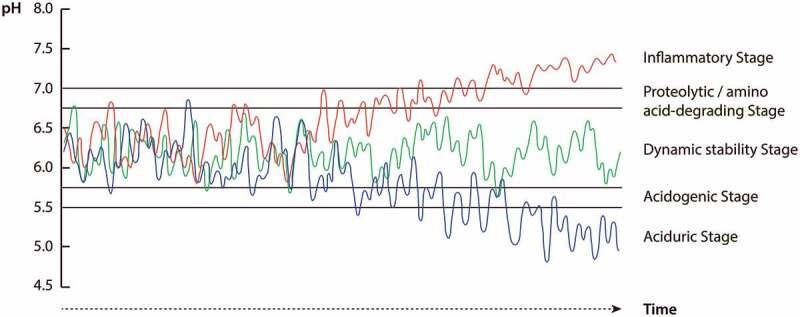
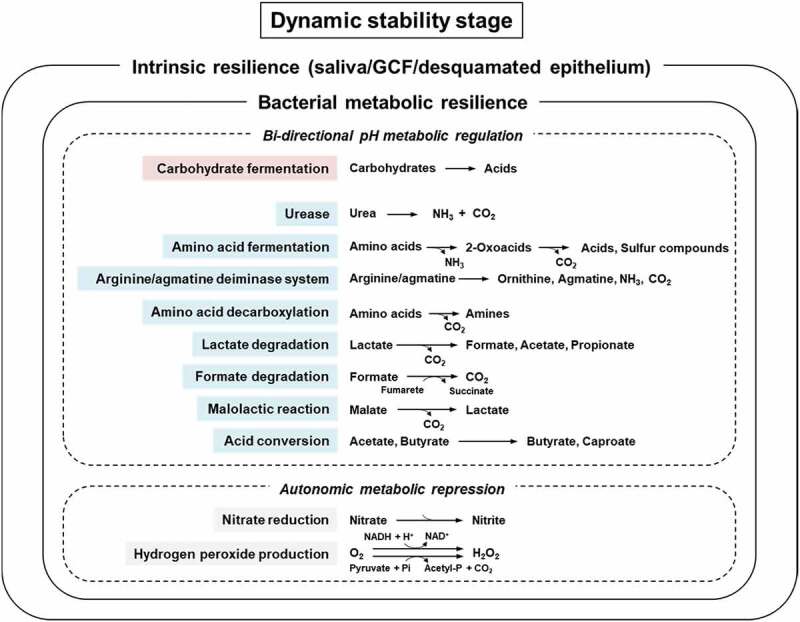
This review considers an integrated hypothesis of dental caries and periodontal diseases that builds on theoretical ecological principles. The backbone of the hypothesis is based on the dynamic stability stage of the oral microbiota, at which intrinsic (mainly saliva and gingival crevicular fluid) and bacterial (mainly metabolic) resilience factors maintain ecological dynamic stability, compatible with clinical health. However, loss of intrinsic resilience factors and/or prolonged changes in the availability of microbial metabolic substrates may shift the ecological balance of the microbiota into either saccharolytic (acidogenic) or amino acid-degrading/proteolytic (alkalinogenic) stages, depending on the nature of the predominant substrates, leading to clinical diseases. Therefore, to maintain and restore the dynamic stability of the oral microbiota, it is necessary to control the drivers of disease, such as salivary flow and influx of bacterial nutrients into the oral cavity. Contrary to conventional wisdom, excessive intake of fermentable carbohydrates may contribute to inflammation in periodontal tissues resulting from hyperglycaemia. An integrated hypothesis emphasizes that both dental caries and periodontal diseases originate in the dynamic stability stage and emerge in response to nutritional imbalances in the microbiota. Periodontal diseases may belong to the sugar driven inflammatory diseases, similar to diabetes, obesity, and cardiovascular diseases.
Keywords: Dental caries; carbohydrates; dynamic stability stage; ecological hypothesis; ecosystem; gingival crevicular fluid; microbiota; periodontal diseases; resilience factor.
© 2020 The Author(s). Published by Informa UK Limited, trading as Taylor & Francis Group.
Conflict of interest statement
No potential conflict of interest was reported by the authors.
Figures
References
-
- Fitzgerald RJ, Jordan HV, Stanley HR.. Experimental caries and gingival pathological changes in the gnotobiotic rat. J Dent Res. 1960;39(5):923–12. - PubMed
-
- Theilade E, Theilade J.. Role of plaque in the etiology of periodontal disease and caries. Oral Sci Rev. 1976;9:23–63. - PubMed
-
- Loesche WJ. Chemotherapy of dental plaque infections. Oral Sci Rev. 1976;9:65–107. - PubMed
-
- Socransky SS. Microbiology of periodontal disease – the present status and future considerations. J Periodontol. 1977;48:497–504. - PubMed
-
- Loesche W. Clinical and microbiological aspects of chemotherapeutic agents used according to the specific plaque hypothesis. J Dent Res. 1979;58(12):2404–2412. - PubMed
Publication types
LinkOut - more resources
Full Text Sources
