. 2020 Jan 13;9(1):1710064.
doi: 10.1080/2162402X.2019.1710064. eCollection 2020.

Durable tumor regression in highly refractory metastatic KIT/PDGFRA wild-type GIST following treatment with nivolumab

Affiliations

Durable tumor regression in highly refractory metastatic KIT/PDGFRA wild-type GIST following treatment with nivolumab

Brett A Schroeder et al. Oncoimmunology. .

Abstract

Gastrointestinal stromal tumor (GIST) is a devastating disease, especially in the setting of metastasis. The natural progression of GIST has been significantly altered by the development of small molecule tyrosine kinase inhibitors (TKIs), including imatinib, sunitinib, and regorafenib, all of which are FDA approved. However, TKIs are not always well-tolerated, and the refractory disease continues to be a problem. For these reasons, alternative treatments are needed. In this report, we discuss a patient with metastatic wild-type (WT) GIST refractory to multiple TKIs, but with a durable clinical response to the anti-programmed cell death protein 1 (PD-1) antibody, nivolumab. This report suggests that continued research evaluating checkpoint inhibitors in GIST is warranted.

Keywords: GIST; Imatinib; Metastatic; Nivolumab; PD-1; PD-L1; Refractory; Sarcoma; Wild-Type.


Figures

Image 1.
Image 1.
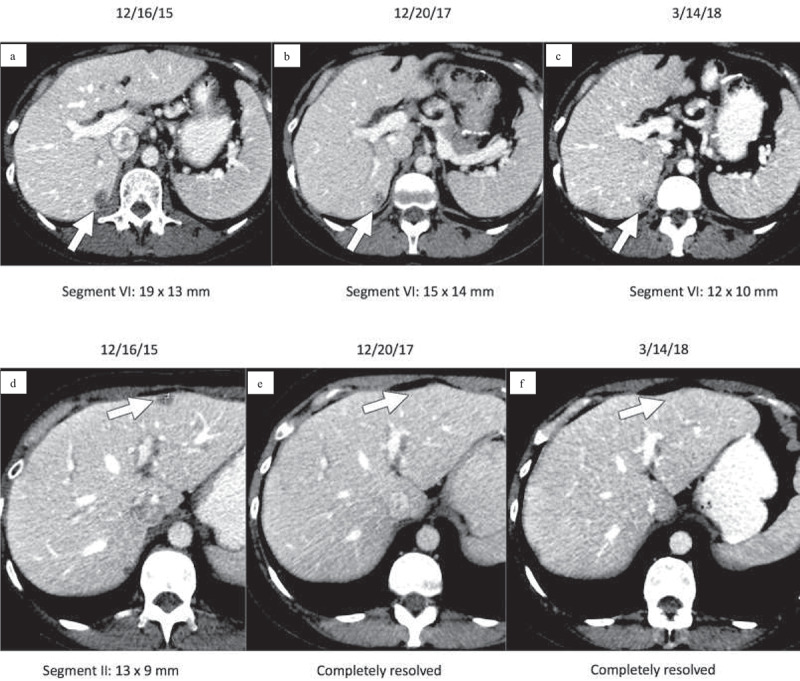
Contrast-enhanced CT images of the upper abdomen prior to initiating nivolumab (a, d) demonstrate low attenuation metastases within hepatic segments VI and II (arrows). Follow-up CT 2 years later (b, e) demonstrates that the metastasis in segment VI has decreased while the metastasis in segment II has completely resolved (arrows). Similarly, follow-up CT on 3/14/2018 (c, f) after cycle 64 of nivolumab demonstrates that the segment VI metastasis has again decreased and the segment II metastasis is still resolved (arrows).
Figure 1.
Figure 1.
(continued)
Figure 1.
Figure 1.
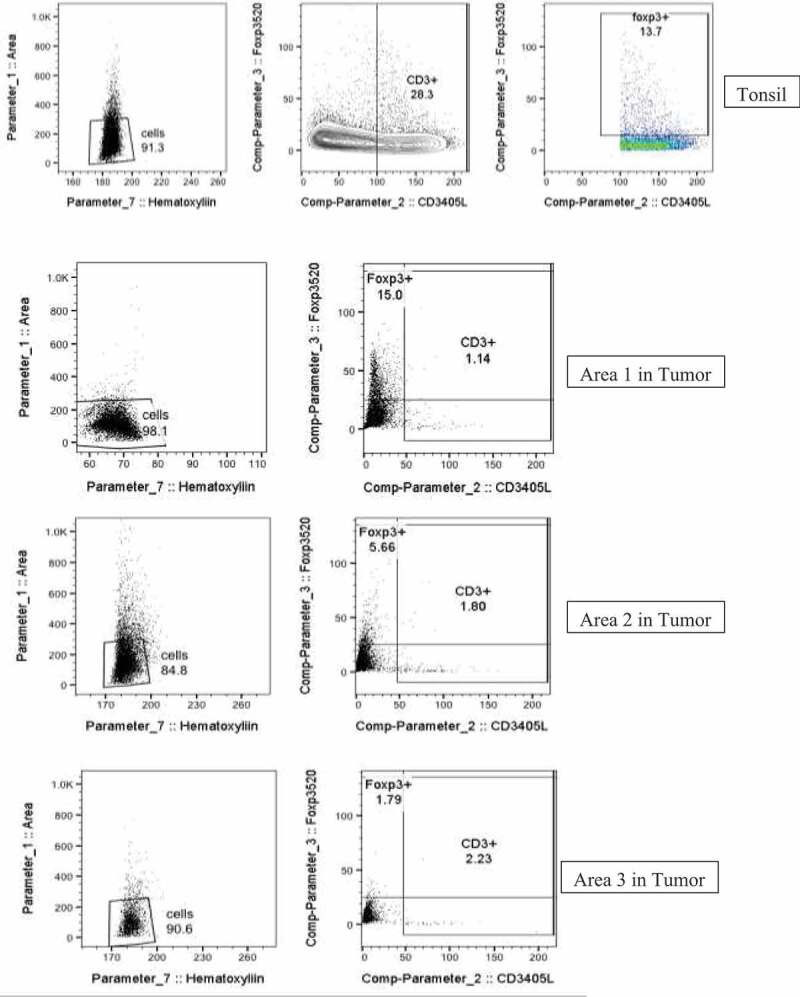
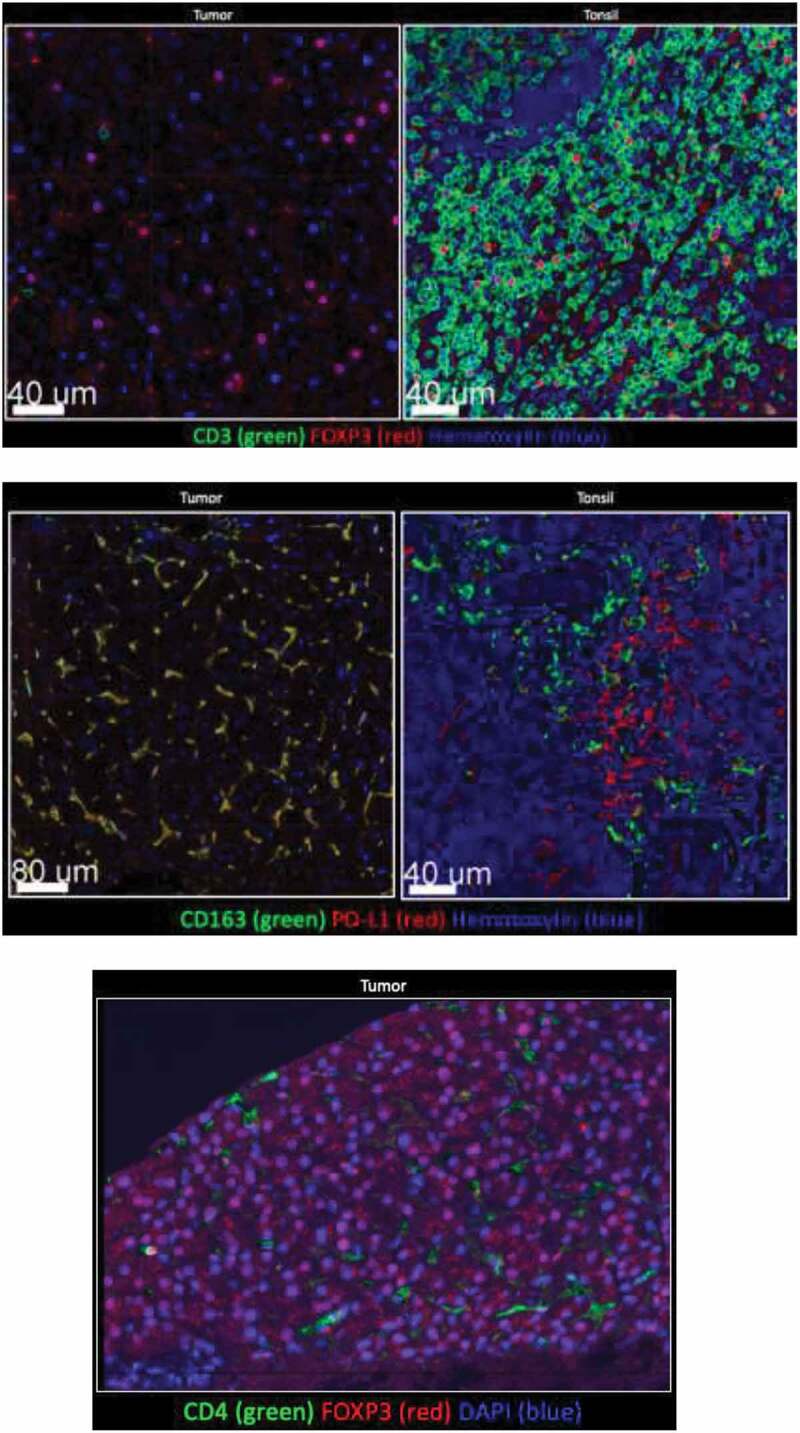
Tumor tissue and tonsil (control) stained for CD3, CD4, CD163, PD-L1. Few CD3+, or CD4+ cells were detected in tumor. FOXP3 was detected in tumor, but not with CD3+ or CD4+ cells. Majority of myeloid tumor cells expressed PD-L1.

References

    1. Corless CL, Fletcher JA, Heinrich MC.. Biology of gastrointestinal stromal tumors. J Clin Oncol. 2004;22(18):3813–6. doi:10.1200/JCO.2004.05.140. - DOI - PubMed
    1. Plesec TP. Gastrointestinal mesenchymal neoplasms other than gastrointestinal stromal tumors: focusing on their molecular aspects. Patholog Res Int. 2011;2011:952569. - PMC - PubMed
    1. Miettinen M, Lasota J. Gastrointestinal stromal tumors. Gastroenterol Clin North Am. 2013;42(2):399–415. doi:10.1016/j.gtc.2013.01.001. - DOI - PMC - PubMed
    1. Rajendra R, Pollack SM, Jones RL. Management of gastrointestinal stromal tumors. Future Oncol. 2013;9(2):193–206. doi:10.2217/fon.12.178. - DOI - PubMed
    1. Postow MA, Robson ME. Inherited gastrointestinal stromal tumor syndromes: mutations, clinical features, and therapeutic implications. Clin Sarcoma Res. 2012;2:11. doi:10.1186/2045-3329-2-16. - DOI - PMC - PubMed

Publication types

MeSH terms