Improving palliative and end-of-life care with machine learning and routine data: a rapid review
- PMID: 32002512
- PMCID: PMC6973530
- DOI: 10.12688/hrbopenres.12923.2
Improving palliative and end-of-life care with machine learning and routine data: a rapid review
Abstract
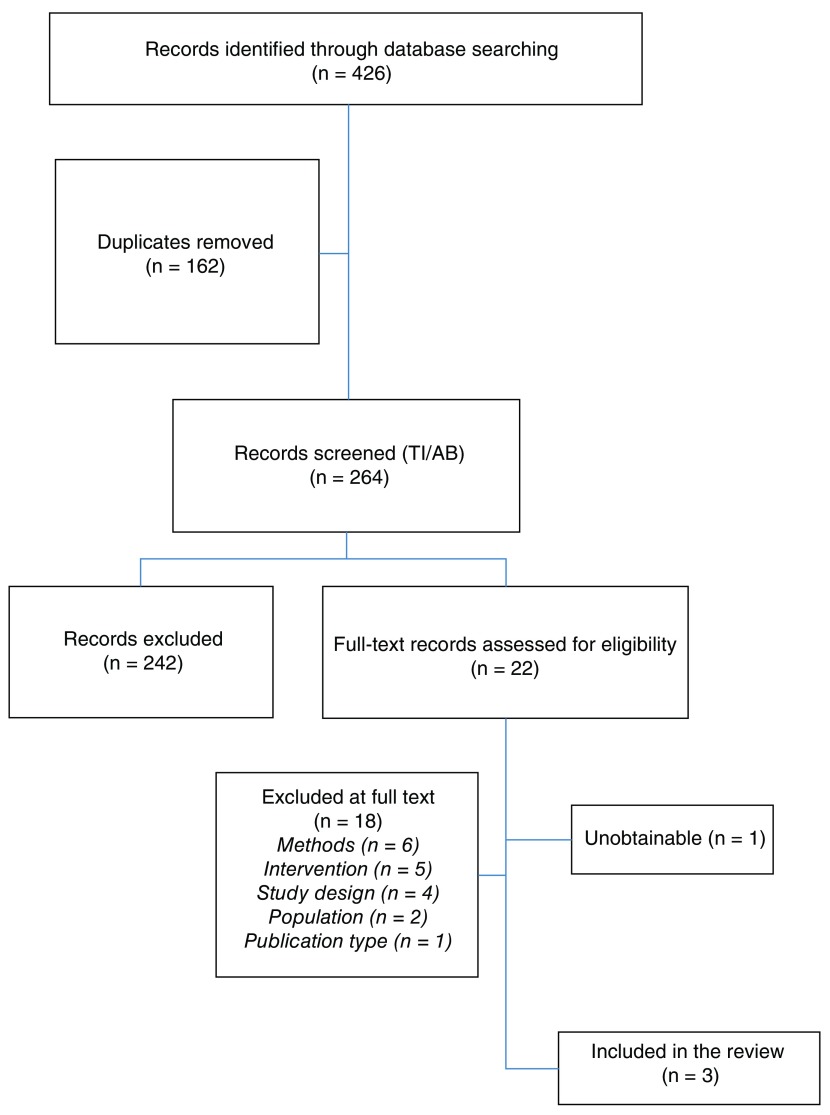
Introduction: Improving end-of-life (EOL) care is a priority worldwide as this population experiences poor outcomes and accounts disproportionately for costs. In clinical practice, physician judgement is the core method of identifying EOL care needs but has important limitations. Machine learning (ML) is a subset of artificial intelligence advancing capacity to identify patterns and make predictions using large datasets. ML approaches have the potential to improve clinical decision-making and policy design, but there has been no systematic assembly of current evidence. Methods: We conducted a rapid review, searching systematically seven databases from inception to December 31st, 2018: EMBASE, MEDLINE, Cochrane Library, PsycINFO, WOS, SCOPUS and ECONLIT. We included peer-reviewed studies that used ML approaches on routine data to improve palliative and EOL care for adults. Our specified outcomes were survival, quality of life (QoL), place of death, costs, and receipt of high-intensity treatment near end of life. We did not search grey literature and excluded material that was not a peer-reviewed article. Results: The database search identified 426 citations. We discarded 162 duplicates and screened 264 unique title/abstracts, of which 22 were forwarded for full text review. Three papers were included, 18 papers were excluded and one full text was sought but unobtainable. One paper predicted six-month mortality, one paper predicted 12-month mortality and one paper cross-referenced predicted 12-month mortality with healthcare spending. ML-informed models outperformed logistic regression in predicting mortality but poor prognosis is a weak driver of costs. Models using only routine administrative data had limited benefit from ML methods. Conclusion: While ML can in principle help to identify those at risk of adverse outcomes and inappropriate treatment near EOL, applications to policy and practice are formative. Future research must not only expand scope to other outcomes and longer timeframes, but also engage with individual preferences and ethical challenges.
Keywords: Machine learning; artificial intelligence; costs; decision-making; multimorbidity; palliative care; quality of life; terminal care.
Copyright: © 2019 Storick V et al.
Conflict of interest statement
No competing interests were disclosed.
References
-
- Knaul FM, Bhadelia A, Rodriguez NM, et al. : The Lancet Commission on Palliative Care and Pain Relief: findings, recommendations, and future directions. Lancet Glob Health. 2018;6(S1):S5–S6. 10.1016/S2214-109X(18)30082-2 - DOI
-
- World Health Organization: WHO Definition of Palliative Care. Published 2017. Accessed August 15th, 2017. Reference Source
-
- Economist Intelligence Unit: The Quality of Death Index: Ranking palliative care across the world.2015. Reference Source
Publication types
LinkOut - more resources
Full Text Sources