. 2020 Jan 3;3(1):e1920356.
doi: 10.1001/jamanetworkopen.2019.20356.

Evaluation of X-Linked Adrenoleukodystrophy Newborn Screening in North Carolina

Affiliations

Evaluation of X-Linked Adrenoleukodystrophy Newborn Screening in North Carolina

Stacey Lee et al. JAMA Netw Open. .

Abstract

Importance: X-linked adrenoleukodystrophy (X-ALD) is a peroxisomal genetic disorder in which an accumulation of very long-chain fatty acids leads to inflammatory demyelination in the central nervous system and to adrenal cortex atrophy. In 2016, X-ALD was added to the US Recommended Uniform Screening Panel.

Objective: To evaluate the performance of a single-tier newborn screening assay for X-ALD in North Carolina.

Design, setting, and participants: This diagnostic screening study was of all newborn dried blood spot specimens received in the North Carolina State Laboratory of Public Health between January 2 and June 1, 2018, excluding specimens of insufficient quantity or quality. A total of 52 301 specimens were screened for X-ALD using negative ionization high-performance liquid chromatography tandem mass spectrometry to measure C24:0- and C26:0-lysophosphatidylcholine concentrations. Sanger sequencing of the adenosine triphosphate-binding cassette subfamily D member 1 (ABCD1) gene was performed on screen-positive specimens.

Exposures: A medical and family history, newborn physical examination, sequencing of ABCD1 on dried blood spot samples, and plasma analysis of very long-chain fatty acids were obtained for all infants with screen-positive results.

Main outcomes and measures: The prevalence of X-ALD in North Carolina and the positive predictive value and false-positive rate for the first-tier assay were determined.

Results: Of 52 301 infants tested (47.8% female, 50.6% male, and 1.7% other or unknown sex), 12 received screen-positive results. Of these 12 infants, 8 were confirmed with a genetic disorder: 3 male infants with X-ALD, 3 X-ALD-heterozygous female infants, 1 female infant with a peroxisome biogenesis disorder, and 1 female infant with Aicardi-Goutières syndrome. Four infants were initially classified as having false-positives results, including 3 female infants who were deemed unaffected and 1 male infant with indeterminate results on confirmatory testing. The positive predictive value for X-ALD or other genetic disorders for the first-tier assay was 67%, with a false-positive rate of 0.0057%.

Conclusions and relevance: This newborn screening pilot study reported results on 2 lysophosphatidylcholine analytes, identifying 3 male infants with X-ALD, 3 X-ALD-heterozygous female infants, and 3 infants with other disorders associated with increased very long-chain fatty acids. These results showed successful implementation in a public health program with minimal risk to the population. The findings will support other state laboratories planning to implement newborn screening for X-ALD and related disorders.


Conflict of interest statement

Conflict of Interest Disclosures: Research conducted outside the present study by Drs Lee, Bali, Bailey, Gehtland, and Taylor is supported in part by contributed reagents and equipment from Asuragen. However, none of the authors has a personal or financial relationship with Asuragen, and Asuragen did not provide support for the work reported in this article. Dr Rehder reported receiving grants from Duke University during the conduct of the study, and receiving personal fees from Illumina outside the submitted work. Dr Powell reported receiving grants from University of North Carolina at Chapel Hill during the conduct of the study. No other disclosures were reported.

Figures

Figure 1.
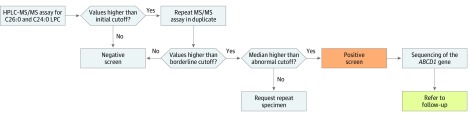
Figure 1.. Screening Algorithm Used to Evaluate Newborn Dried Blood Spot Specimens
A first-tier high-performance liquid chromatography tandem mass spectrometry (HPLC-MS/MS) assay in negative ion mode was used for the initial screening of specimens. All specimens that screened positive were sent for sequencing of the adenosine triphosphate–binding cassette subfamily D member 1 (ABCD1) gene, and the infant was referred to follow-up. Multiple specimens from the same infant with borderline results that were also classified as abnormal were sent for sequencing and referred to follow-up. C24 indicates 1-tetracosanoyl-sn-glycero-3-phosphocholine; C26, 1-hexacosanoyl-2-hydroxy-sn-glycero-3-phosphocholine; and LPC, lysophosphatidylcholine
Figure 2.
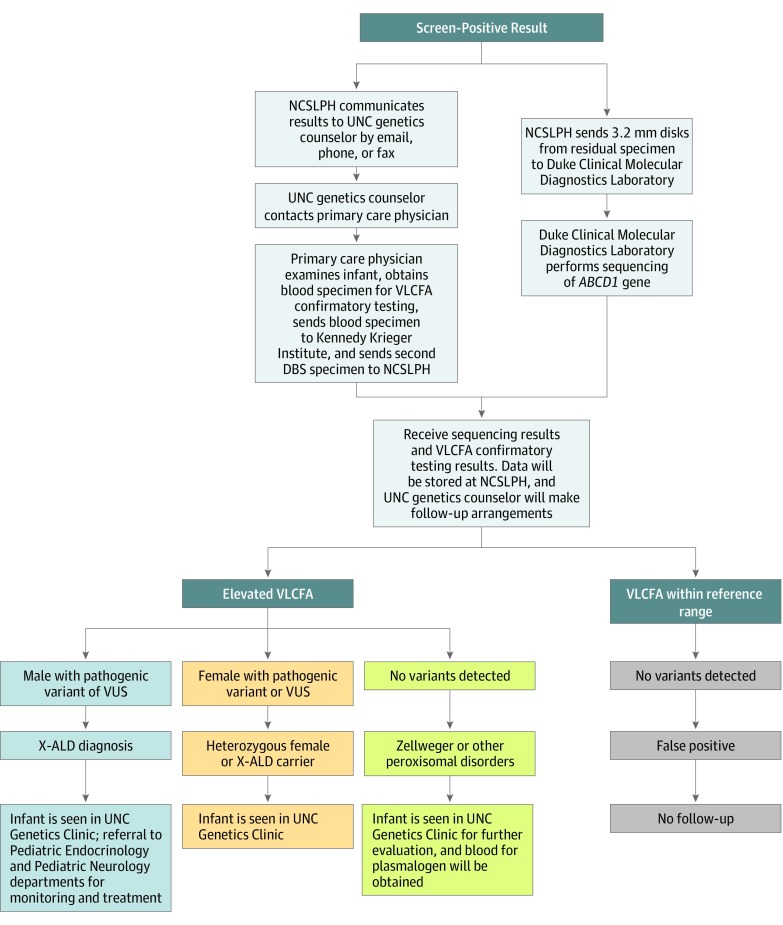
Figure 2.. Follow-up Protocol for Screen-Positive Specimens
The flowchart shows the protocol for confirmatory testing and short-term follow-up of screen-positive specimens through diagnosis. ABCD1 indicates the adenosine triphosphate–binding cassette subfamily D member 1 gene; DBS, dried blood specimen; NCSLPH, North Carolina State Laboratory of Public Health; UNC, University of North Carolina; VLCFA, very long-chain fatty acid; VUS, variant of unknown significance; and X-ALD, X-linked adrenoleukodystrophy.
Figure 3.
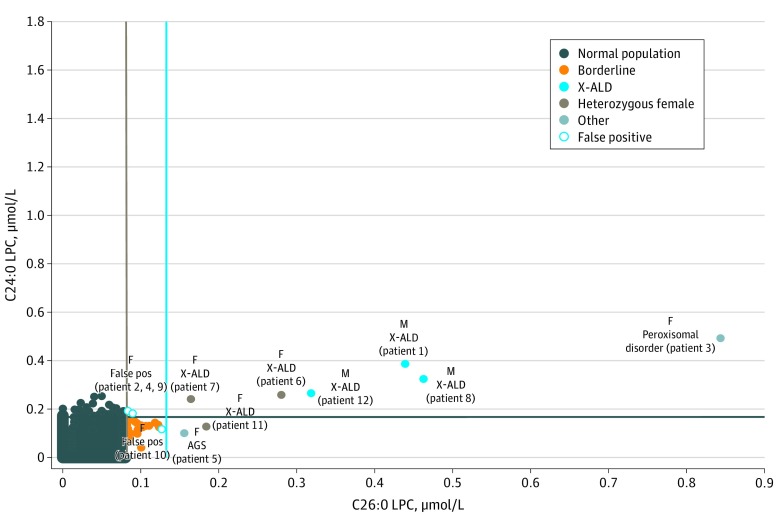
Figure 3.. Two-Dimensional Plot of the C24:0-Lysophosphatidylcholine (C24:0-LPC) Analyte vs the C26:0-LPC Analyte
Screen-positive cases are as follows: X-linked adrenoleukodystrophy (X-ALD) hemizygotes, false-positive (False pos), X-ALD heterozygous female, and other disorders. The cyan vertical line is set at 0.15 μmol/L, and the navy horizontal line is set at 0.175 μmol/L to capture all the samples with increased concentrations of C26:0-LPC and C24:0-LPC, respectively. The tan vertical line at 0.08 μmol/L represents the borderline cutoff value for C26:0-LPC. The patient numbers in parentheses correspond to those given in Table 2. AGS indicates Aicardi-Goutières syndrome; F, female; and M, male.

References

    1. Feigenbaum V, Lombard-Platet G, Guidoux S, Sarde CO, Mandel JL, Aubourg P. Mutational and protein analysis of patients and heterozygous women with X-linked adrenoleukodystrophy. Am J Hum Genet. 1996;58(6):-. - PMC - PubMed
    1. Kemp S, Huffnagel IC, Linthorst GE, Wanders RJ, Engelen M. Adrenoleukodystrophy—neuroendocrine pathogenesis and redefinition of natural history. Nat Rev Endocrinol. 2016;12(10):606-615. doi:10.1038/nrendo.2016.90 - DOI - PubMed
    1. van Roermund CW, Visser WF, Ijlst L, et al. . The human peroxisomal ABC half transporter ALDP functions as a homodimer and accepts acyl-CoA esters. FASEB J. 2008;22(12):4201-4208. doi:10.1096/fj.08-110866 - DOI - PubMed
    1. Engelen M, Kemp S, de Visser M, et al. . X-linked adrenoleukodystrophy (X-ALD): clinical presentation and guidelines for diagnosis, follow-up and management. Orphanet J Rare Dis. 2012;7:51. doi:10.1186/1750-1172-7-51 - DOI - PMC - PubMed
    1. Mahmood A, Raymond GV, Dubey P, Peters C, Moser HW. Survival analysis of haematopoietic cell transplantation for childhood cerebral X-linked adrenoleukodystrophy: a comparison study. Lancet Neurol. 2007;6(8):687-692. doi:10.1016/S1474-4422(07)70177-1 - DOI - PubMed

Publication types

Substances