Review
. 2020 May;20(5):321-334.
doi: 10.1038/s41577-019-0269-6. Epub 2020 Jan 31.

Enhancing cancer immunotherapy with nanomedicine

Affiliations
Review

Enhancing cancer immunotherapy with nanomedicine

Darrell J Irvine et al. Nat Rev Immunol. 2020 May.

Abstract

Therapeutic targeting of the immune system in cancer is now a clinical reality and marked successes have been achieved, most notably through the use of checkpoint blockade antibodies and chimeric antigen receptor T cell therapy. However, efforts to develop new immunotherapy agents or combination treatments to increase the proportion of patients who benefit have met with challenges of limited efficacy and/or significant toxicity. Nanomedicines - therapeutics composed of or formulated in carrier materials typically smaller than 100 nm - were originally developed to increase the uptake of chemotherapy agents by tumours and to reduce their off-target toxicity. Here, we discuss how nanomedicine-based treatment strategies are well suited to immunotherapy on the basis of nanomaterials' ability to direct immunomodulators to tumours and lymphoid organs, to alter the way biologics engage with target immune cells and to accumulate in myeloid cells in tumours and systemic compartments. We also discuss early efforts towards clinical translation of nanomedicine-based immunotherapy.


Conflict of interest statement

Competing interests

D.J.I. and E.L.D. are co-inventors on patents related to nanoparticle delivery of innate immune stimulators assigned to Massachusetts Institute of Technology (MIT). D.J.I. is an inventor on patents related to nanomedicine-based immunotherapy assigned to MIT that have been licensed to Torque Therapeutics, Elicio Therapeutics and Strand Therapeutics, of which D.J.I. is a co-founder.

Figures
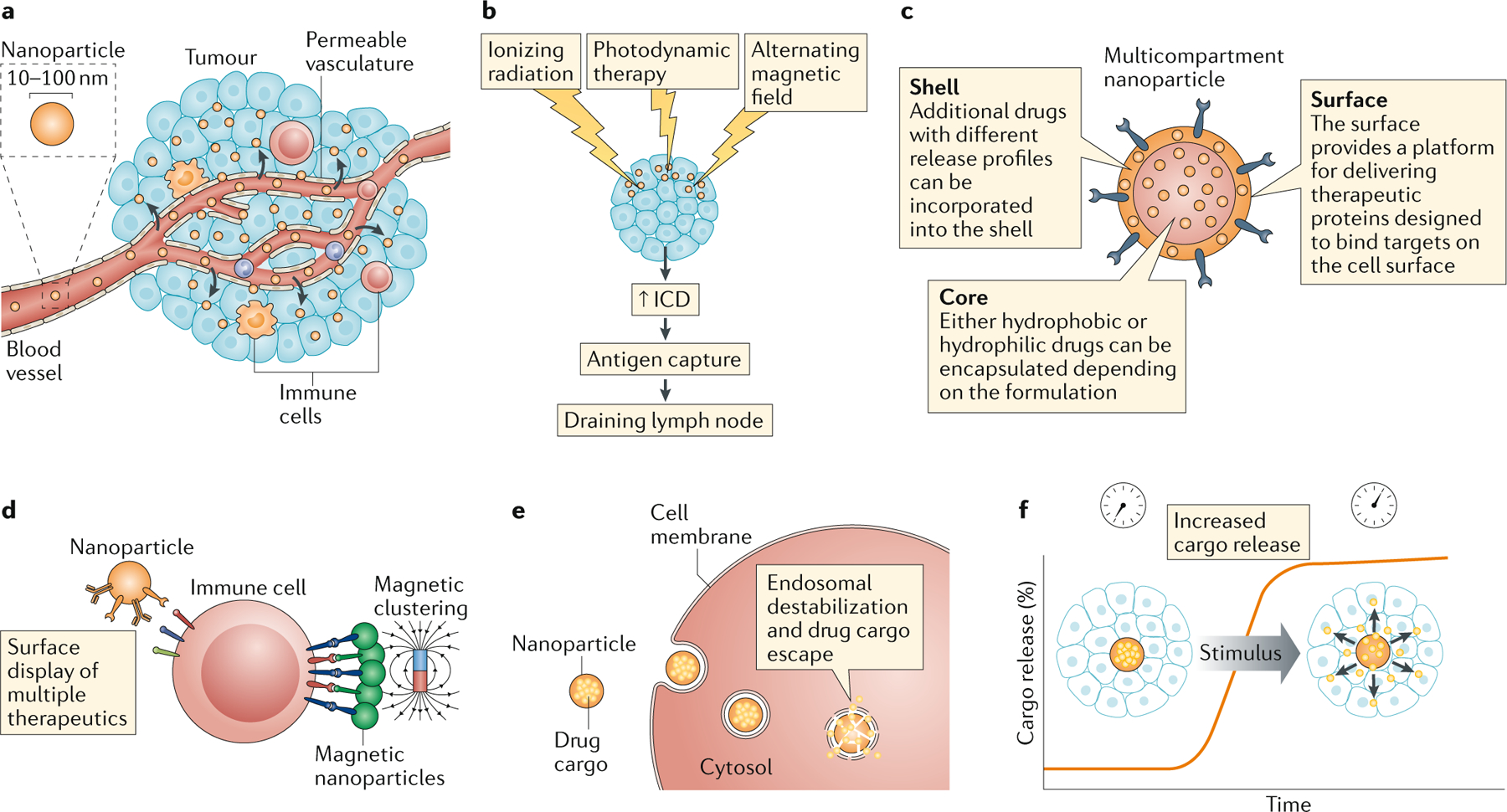
Figure 1 |
Figure 1 |. Nanomedicines enable unique modes of action in immunotherapy.
a | Nanomedicines, such as nanoparticles, accumulate within tumours via the enhanced permeation and retention effect, concentrating the drug in tumour sites. b | Nanoparticles can be designed to interact with external energy sources, such as ionizing or non-ionizing radiation or magnetic fields to enhance immunogenic cell death [Au:OK?] YES . c | Nanomedicines enable combinations of therapeutics, including drugs with very different properties, to be co-delivered to tumour sites. d | Multiple ligands can be arrayed on the surfaces of polymers and nanoparticles to enhance engagement of immunostimulatory receptors. e | Nanoparticles can be formulated to destabilize endosomal membranes and promote drug delivery into the cytosol. f | Nanoparticles enable control of the kinetics of drug release, either pre-programmed through the particle chemistry or through responsiveness to external stimuli such as light or heat.
Figure 2 |
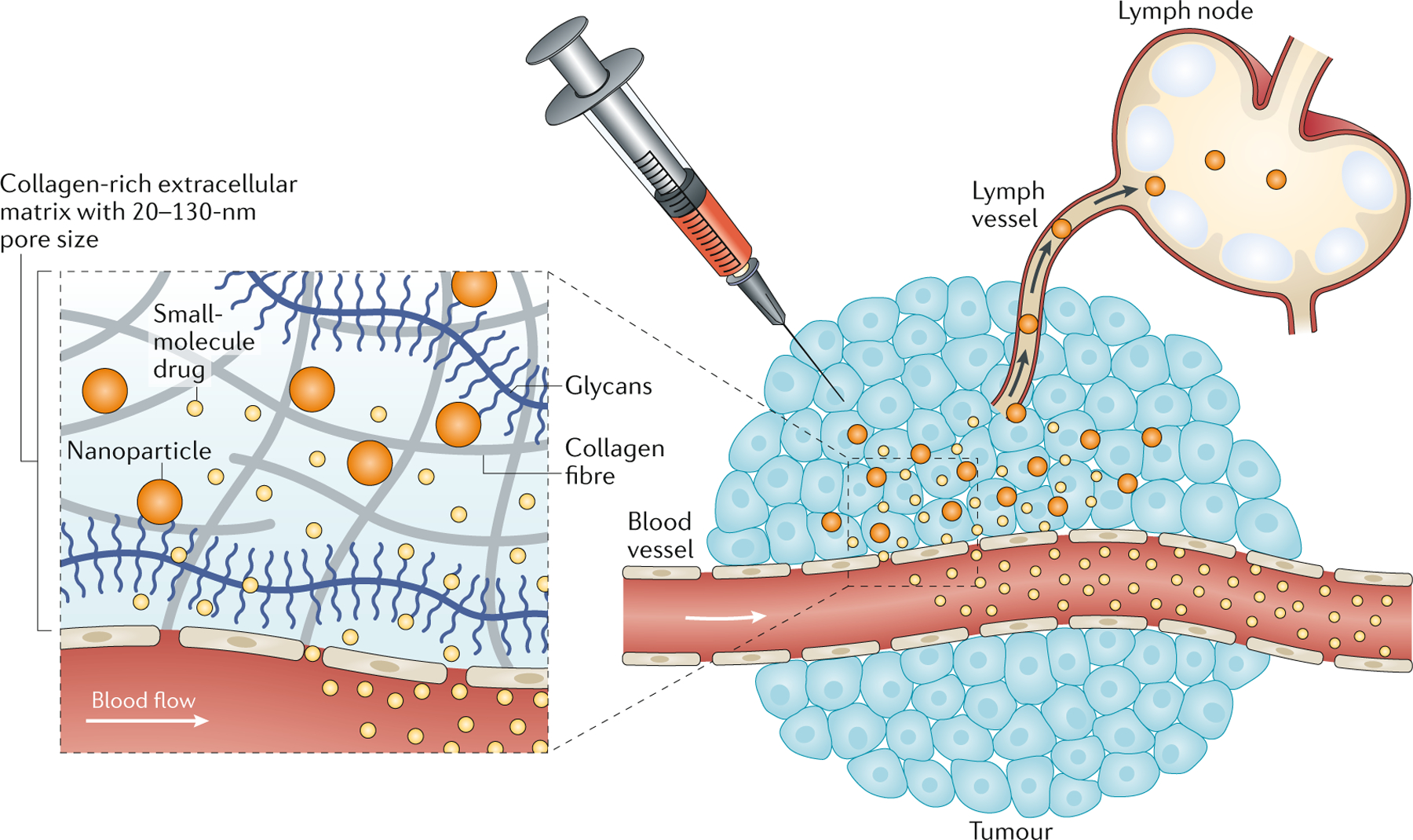
Figure 2 |. Nanomedicines improve tumour retention and lymph node trafficking.
When administered locally, the tumour’s dense extracellular matrix, composed of a collagen-rich hydrogel with a 20–130 nm pore size, preferentially retains nanomedicines and promotes their trafficking to the lymph node, whereas small molecule drugs are rapidly cleared into the systemic circulation due to their small size and the high interstitial fluid pressure in tumours.
Figure 3 |
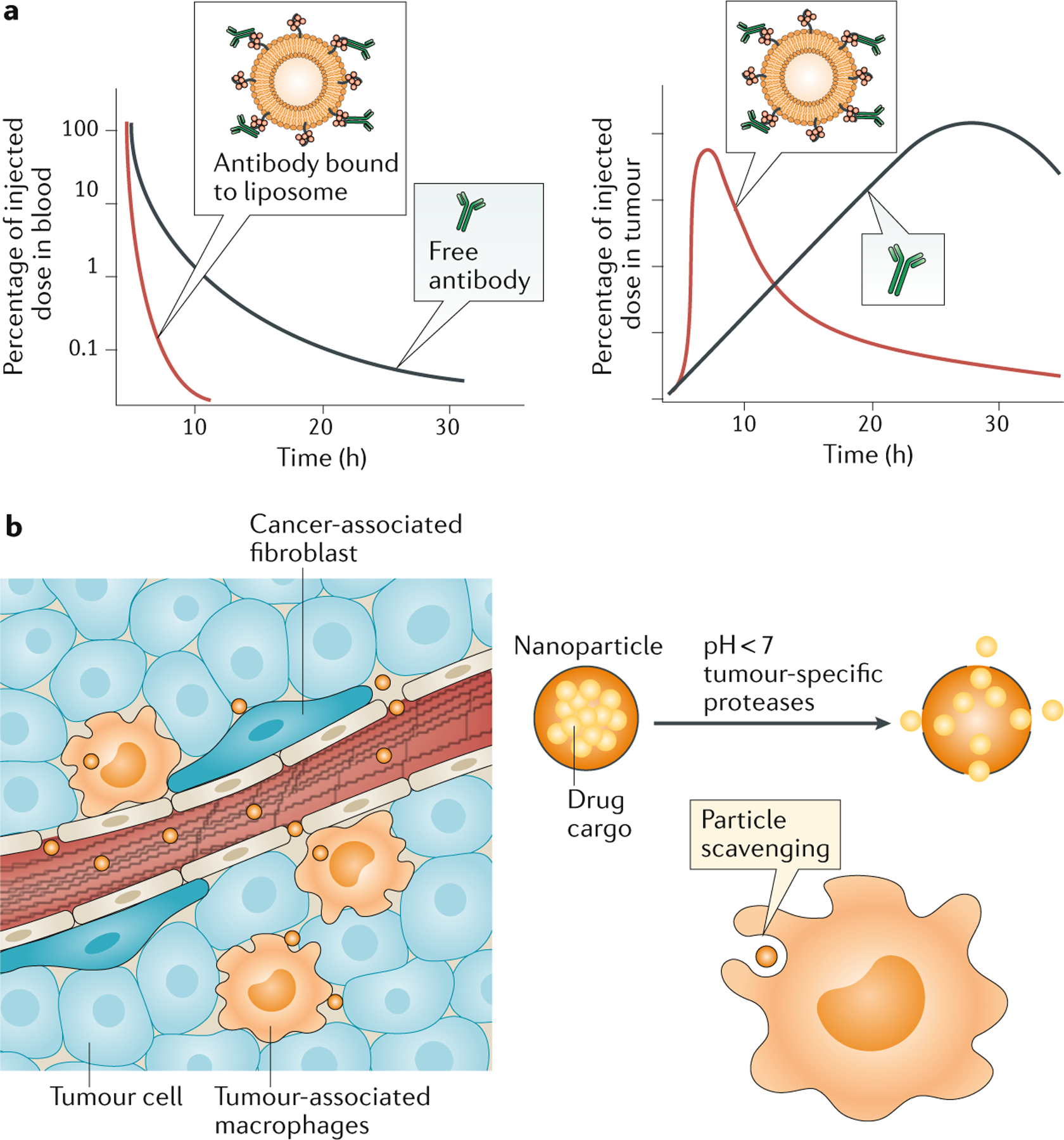
Figure 3 |. Systemic targeting of tumours by intravenously administered nanomedicines.
a |, Nanoparticles alter the pharmacokinetics of immunomodulatory drugs in a manner that can increase safety and efficacy. Illustrated is the case of an antibody therapeutic, which as a free drug will exhibit a long half-life in the blood and slowly accumulate in tumours. The same drug conjugated to a nanoparticle scaffold can be delivered to similar levels into the tumour in a shorter time window, accompanied by more rapid clearance from the systemic circulation, providing similar stimulation in the tumour microenvironment but substantially lowering systemic exposure. b | In addition to permeable blood vessels to promote nanoparticle localization via the enhanced permeation and retention effect, the tumour microenvironment has unique attributes that can be leveraged to effect drug targeting. For example, phagocytic myeloid cells, such as tumour-associated macrophages, readily scavenge nanoparticles and they can act as depots for drugs that act directly on tumours, such as chemotherapeutics, or can themselves be the targets for immunomodulatory drugs designed to decrease immunosuppression. In addition, tumour-specific properties, such as a slightly acidic pH or the presence of higher than normal levels of certain enzymes, can act as triggers for drug release from nanoparticles, and such systems have been used to both directly target cancer cells and also modulate stromal cells, such as cancer-associated fibroblasts or immunosuppressive immune cells.
Figure 4 |
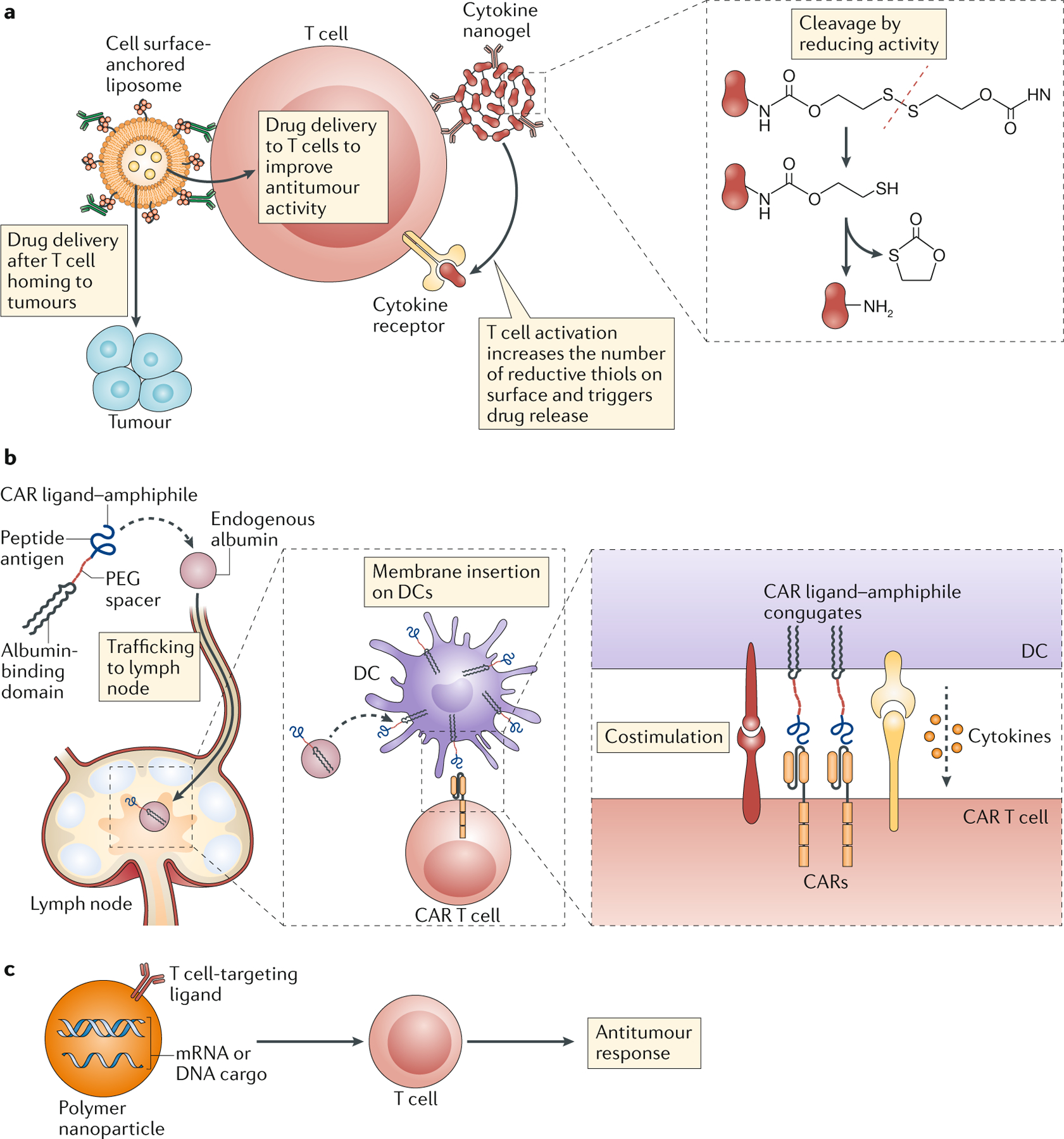
Figure 4 |. Enhancing cellular immunity of cancer.
a | Conjugation of drug-releasing nanoparticles to the plasma membrane of T cells has been used to deliver drugs to tumours or tumour-infiltrating immune cells or to provide a continuous, autocrine supply of cytokines (such as IL-15 and IL-2) to the carrier cell, promoting T cell expansion and effector functions. b | Polymer amphiphiles conjugated to a chimeric antigen receptor (CAR) ligand bind endogenous albumin and traffic to lymph nodes where they are displayed on dendritic cells and provide stimulation to antitumour CAR T cells, effectively acting as a boosting vaccination. c | Polymer nanoparticles carrying either mRNA or plasmid DNA and displaying a T cell-targeting ligand genetically reprogramme endogenous lymphocytes to promote antitumour immune responses.

References

    1. Maude SL et al. Chimeric antigen receptor T cells for sustained remissions in leukemia. N. Engl. J. Med 371, 1507–1517 (2014). - PMC - PubMed
    1. Gettinger SN et al. Overall survival and long-term safety of nivolumab (anti-programmed death 1 antibody, BMS-936558, ONO-4538) in patients with previously treated advanced non-small-cell lung cancer. J. Clin. Oncol 33, 2004–2012 (2015). - PMC - PubMed
    1. Lebbe C et al. Survival follow-up and ipilimumab retreatment of patients with advanced melanoma who received ipilimumab in prior phase II studies. Ann. Oncol 25, 2277–2284 (2014). - PMC - PubMed
    1. Larkin J et al. Combined nivolumab and ipilimumab or monotherapy in untreated melanoma. N. Engl. J. Med 373, 23–34 (2015). - PMC - PubMed
    1. Postow MA, Sidlow R & Hellmann MD Immune-related adverse events associated with immune checkpoint blockade. N. Engl. J. Med 378, 158–168 (2018). - PubMed

Publication types

Substances