


The CKiD study: overview and summary of findings related to kidney disease progression
- PMID: 32016626
- PMCID: PMC7396280
- DOI: 10.1007/s00467-019-04458-6
The CKiD study: overview and summary of findings related to kidney disease progression
Abstract
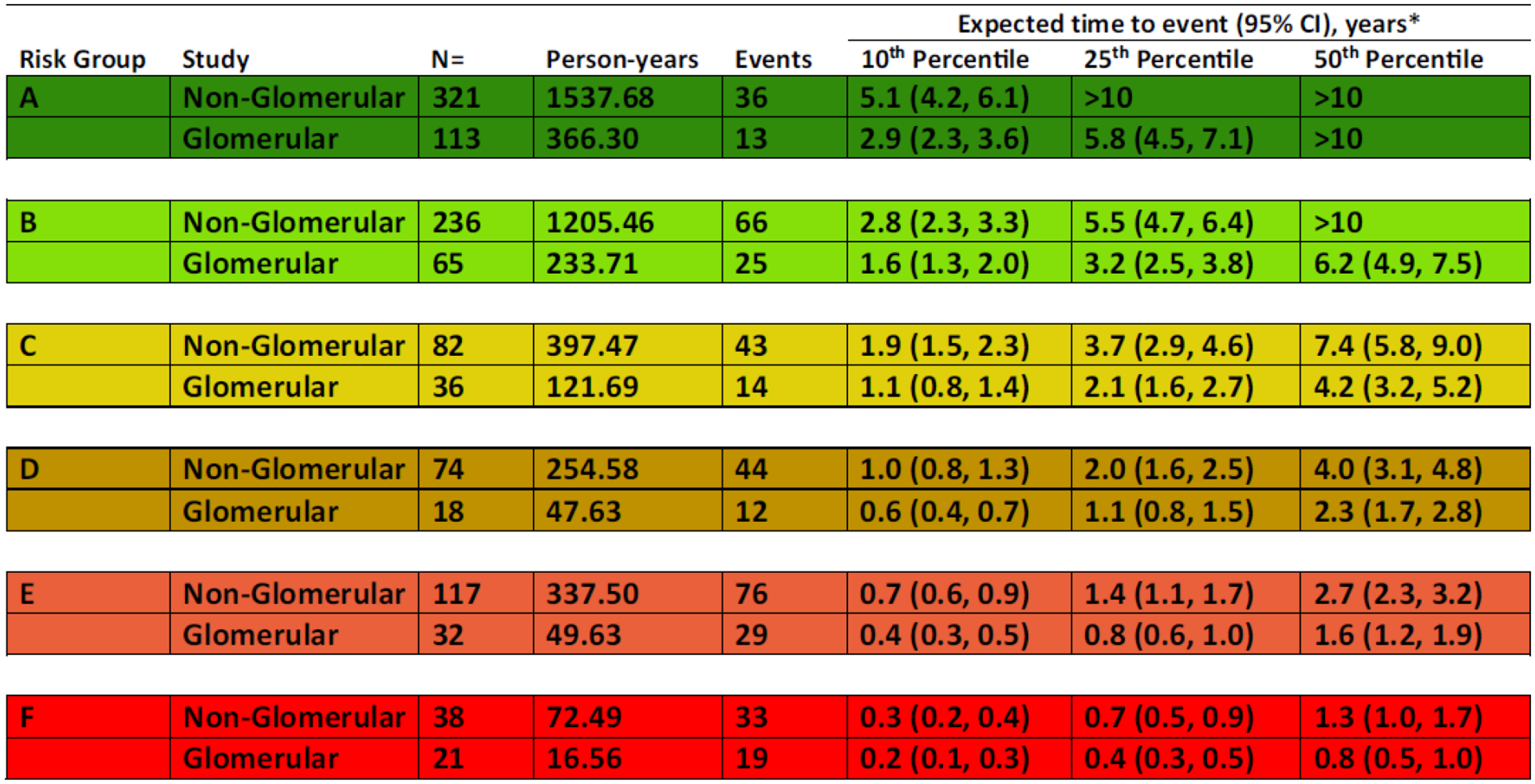
The Chronic Kidney Disease in Children (CKiD) cohort study is a North American (USA and Canada) multicenter, prospective study of children with chronic kidney disease (CKD). The original aims of the study were (1) to identify novel risk factors for CKD progression; (2) to measure the impact of kidney function decline on growth, cognition, and behavior; and (3) to characterize the evolution of cardiovascular disease risk factors. CKiD has developed into a national and international resource for the investigation of a variety of factors related to CKD in children. This review highlights notable findings in the area of CKD progression and outlines ongoing opportunities to enhance understanding of CKD progression in children. CKiD's contributions to the clinical care of children with CKD include updated and more accurate glomerular filtration rate estimating equations for children and young adults, and resources designed to help estimate the CKD progression timeline. In addition, results from CKiD have strengthened the evidence that treatment of hypertension and proteinuria should continue as a primary strategy for slowing the rate of disease progression in children.
Keywords: CKD; Children; Cohort; Hypertension; Proteinuria; Risk factors.
Conflict of interest statement
Figures
References
-
- Schwartz GJ, Haycock GB, Edelmann CM, and Spitzer A, “A simple estimate of glomerular filtration rate in children derived from body length and plasma creatinine.,” Pediatrics, 1976. - PubMed
Publication types
MeSH terms
Grants and funding
LinkOut - more resources
Full Text Sources
Medical
