. 2020 Feb 4;12(3):3053-3094.
doi: 10.18632/aging.102777. Epub 2020 Feb 4.

New landscapes and horizons in hepatocellular carcinoma therapy

Affiliations

New landscapes and horizons in hepatocellular carcinoma therapy

Melchiorre Cervello et al. Aging (Albany NY). .

Abstract

Hepatocellular carcinoma (HCC), is the sixth most frequent form of cancer and leads to the fourth highest number of deaths each year. HCC results from a combination of environmental factors and aging as there are driver mutations at oncogenes which occur during aging. Most of HCCs are diagnosed at advanced stage preventing curative therapies. Treatment in advanced stage is a challenging and pressing problem, and novel and well-tolerated therapies are urgently needed. We will discuss further advances beyond sorafenib that target additional signaling pathways and immune checkpoint proteins. The scenario of possible systemic therapies for patients with advanced HCC has changed dramatically in recent years. Personalized genomics and various other omics approaches may identify actionable biochemical targets, which are activated in individual patients, which may enhance therapeutic outcomes. Further studies are needed to identify predictive biomarkers and aberrantly activated signaling pathways capable of guiding the clinician in choosing the most appropriate therapy for the individual patient.

Keywords: HCC; aging; cancer; immunotherapy; targeted therapy.


Conflict of interest statement

CONFLICTS OF INTEREST: All author have noted that there are no conflicts of interested with this manuscript.

Figures

Figure 1
Figure 1
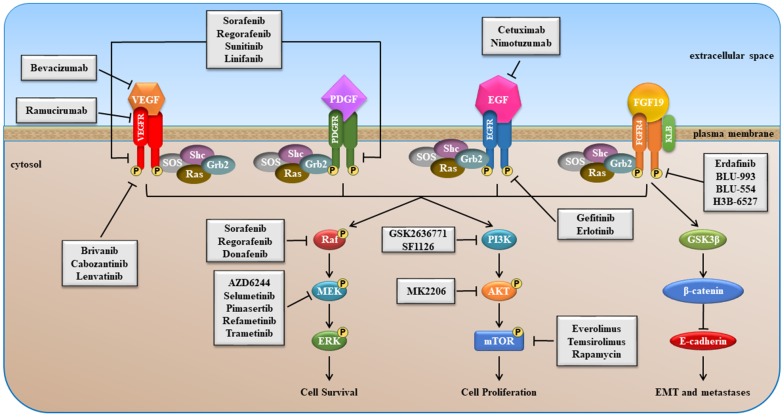
Schematic overview of VEGFR, PDGFR, EGFR and FGFR signaling pathways stimulated after binding of growth factor (GF).
Figure 2
Figure 2
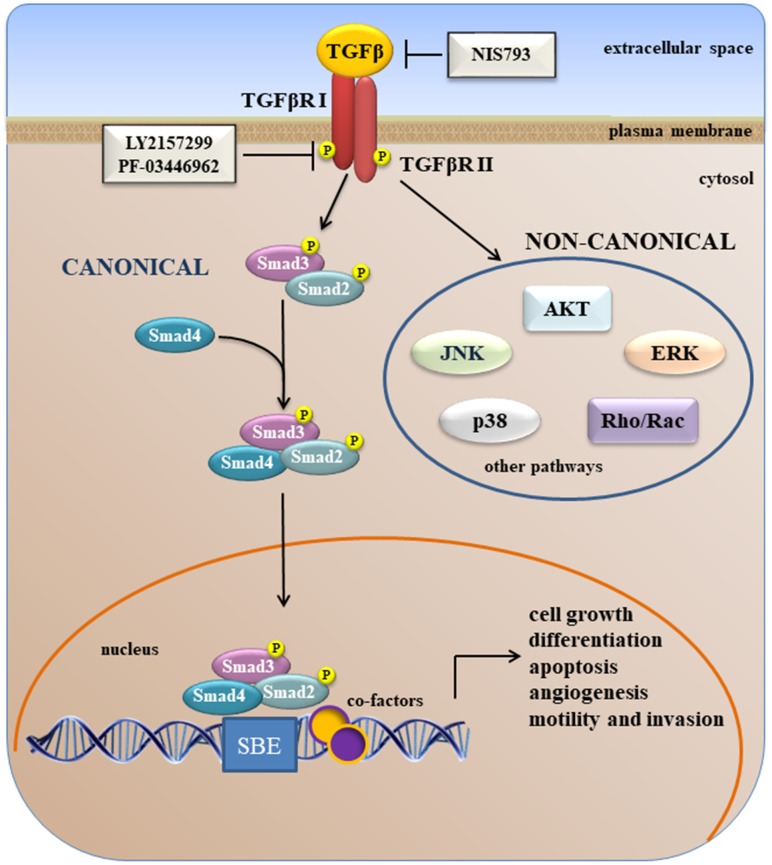
A simplified overview of canonical and non-canonical TGFβ signaling.
Figure 3
Figure 3
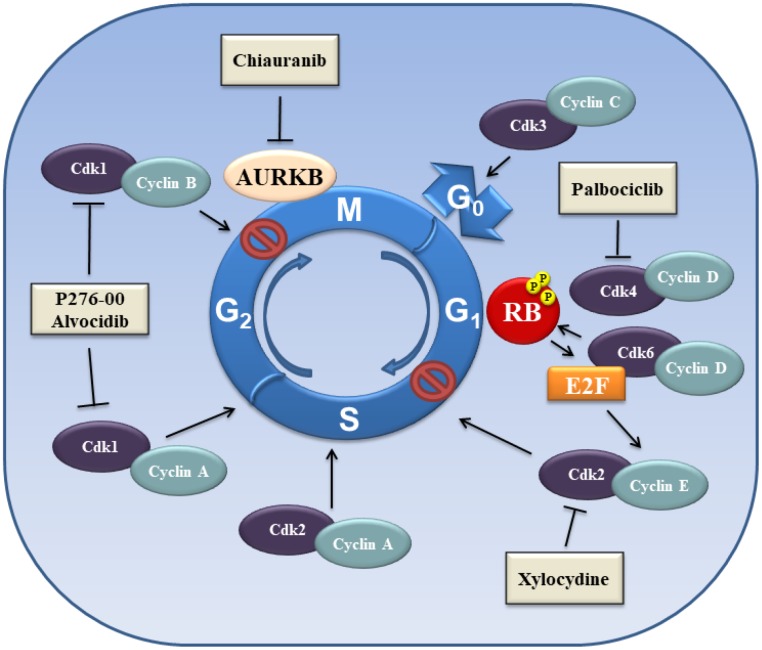
Schematic overview of proteins involved in the control of cell cycle.
Figure 4
Figure 4
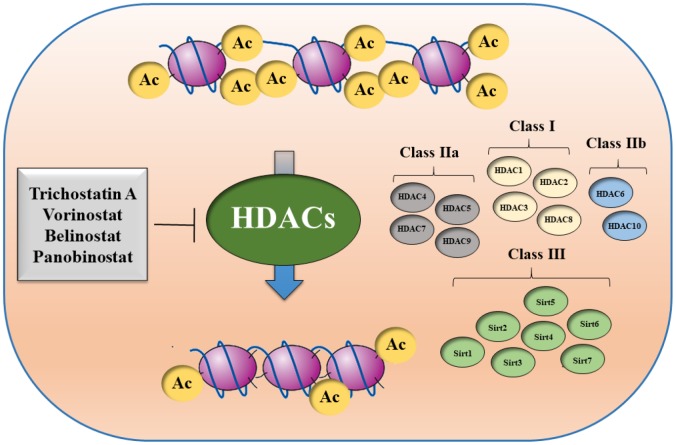
Schematic overview of different HDAC classes.
Figure 5
Figure 5
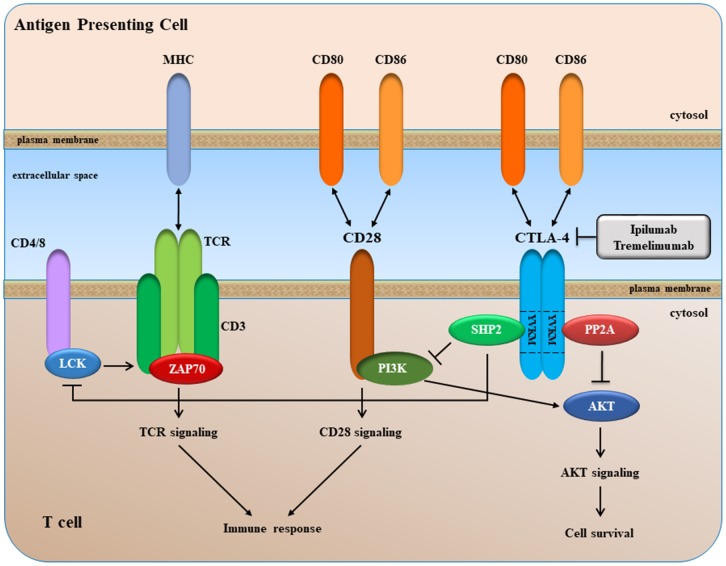
A simplified overview of CTLA-4 signaling.
Figure 6
Figure 6
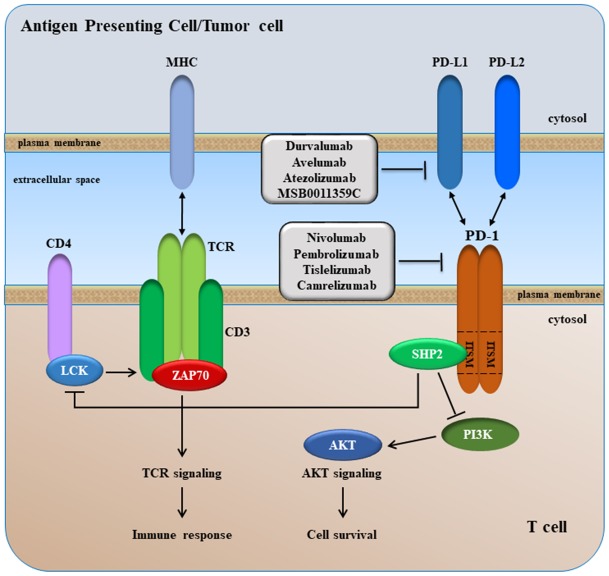
A simplified overview of PD-1 signaling.

References

    1. Bray F, Ferlay J, Soerjomataram I, Siegel RL, Torre LA, Jemal A. Global cancer statistics 2018: GLOBOCAN estimates of incidence and mortality worldwide for 36 cancers in 185 countries. CA Cancer J Clin. 2018; 68:394–424. 10.3322/caac.21492 - DOI - PubMed
    1. Atyah M, Yin YR, Zhou CH, Zhou Q, Chen WY, Dong QZ, Ren N. Integrated analysis of the impact of age on genetic and clinical aspects of hepatocellular carcinoma. Aging (Albany NY). 2018; 10:2079–97. 10.18632/aging.101531 - DOI - PMC - PubMed
    1. Wallace MC, Preen D, Jeffrey GP, Adams LA. The evolving epidemiology of hepatocellular carcinoma: a global perspective. Expert Rev Gastroenterol Hepatol. 2015; 9:765–79. 10.1586/17474124.2015.1028363 - DOI - PubMed
    1. El-Serag HB, Rudolph KL. Hepatocellular carcinoma: epidemiology and molecular carcinogenesis. Gastroenterology. 2007; 132:2557–76. 10.1053/j.gastro.2007.04.061 - DOI - PubMed
    1. El-Serag HB. Hepatocellular carcinoma. N Engl J Med. 2011; 365:1118–27. 10.1056/NEJMra1001683 - DOI - PubMed

Publication types

MeSH terms