Review
. 2020 Jan 21:15:363-386.
doi: 10.2147/IJN.S234573. eCollection 2020.

Biomedical Applications of Zeolitic Nanoparticles, with an Emphasis on Medical Interventions

Affiliations
Review

Biomedical Applications of Zeolitic Nanoparticles, with an Emphasis on Medical Interventions

Hossein Derakhshankhah et al. Int J Nanomedicine. .

Abstract

The advent of porous materials, in particular zeolitic nanoparticles, has opened up unprecedented putative research avenues in nanomedicine. Zeolites with intracrystal mesopores are low framework density aluminosilicates possessing a regular porous structure along with intricate channels. Their unique physiochemical as well as physiological parameters necessitate a comprehensive overview on their classifications, fabrication platforms, cellular/macromolecular interactions, and eventually their prospective biomedical applications through illustrating the challenges and opportunities in different integrative medical and pharmaceutical fields. More particularly, an update on recent advances in zeolite-accommodated drug delivery and the prevalent challenges regarding these molecular sieves is to be presented. In conclusion, strategies to accelerate the translation of these porous materials from bench to bedside along with common overlooked physiological and pharmacological factors of zeolite nanoparticles are discussed and debated. Furthermore, for zeolite nanoparticles, it is a matter of crucial importance, in terms of biosafety and nanotoxicology, to appreciate the zeolite-bio interface once the zeolite nanoparticles are exposed to the bio-macromolecules in biological media. We specifically shed light on interactions of zeolite nanoparticles with fibrinogen and amyloid beta which had been comprehensively investigated in our recent reports. Given the significance of zeolite nanoparticles' interactions with serum or interstitial proteins conferring them new biological identity, the preliminary approaches for deeper understanding of administration, distribution, metabolism and excretion of zeolite nanoparticles are elucidated.

Keywords: biomedical applications; biosafety; mesoporous; nanostructure; zeolite.


Conflict of interest statement

The authors declare they have no competing interests.

Figures
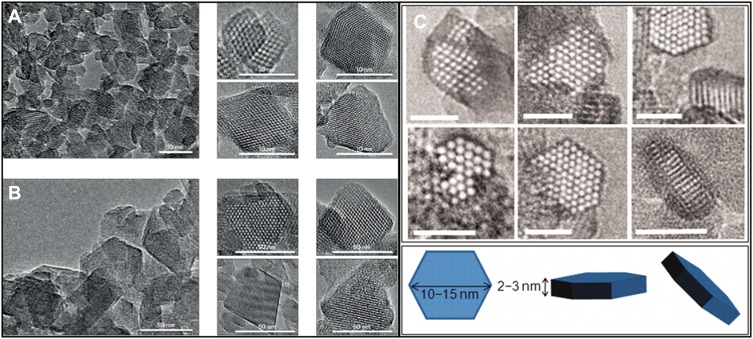
Figure 1
Figure 1
TEM images of FAU-type Y-10 (9 nm) (A) and Y-70 (38 nm) (B) nanosized zeolites. The corresponding high-magnification image of a single nanocrystal is shown as insets. Ultrasmall EMT-type zeolite was synthesized by Mintova group from template-free precursor suspension at 30°C for 36 hrs (C),. (A) Reprinted by permission from Springer Nature Customer Service Centre GmbH: Springer Nature; Nature Materials; Template-free nanosized faujasite-type zeolites. Awala H, Gilson J-P, Retoux R, et al. 2015;14(4):447–451. Copyright 2015. (B)From Ng E-P, Chateigner D, Bein T, et al. Capturing ultrasmall EMT zeolite from template-free systems. Science. 2012;335(6064):70–73. Reprinted with permission from AAAS. Copyright 2012 The American Association for the Advancement of Science.
Figure 2
Figure 2
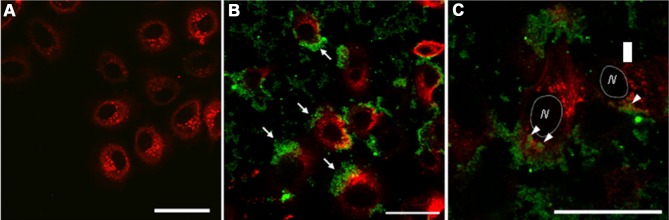
Confocal microscopy photos of HeLa cells treated with nanozeolite LTL. HeLa cells (A) and HeLa cells treated with 10 μg.mL−1 of green fluorescent protein (GFP) adsorbed nanozeolite LTL-90 (B, C). GFP adsorbed nanozeolite attached to the surface of cultured cells (B, arrows) and thimbleful adhered nanozeolites were internalized into the cells (C, arrowheads). Green color shows GFP adsorbed nanozeolite, and red color exhibits actin filaments of cells. The cell nucleus part (N) has been lined via a circle (C). Scale bar is 50 μm.Reprinted from Kihara T, Zhang Y, Hu Y, et al. Effect of composition, morphology and size of nanozeolite on its in vitro cytotoxicity. J Biosci Bioeng. 2011;111(6):725–730. Copyright 2011, with permission from Elsevier.
Figure 3
Figure 3
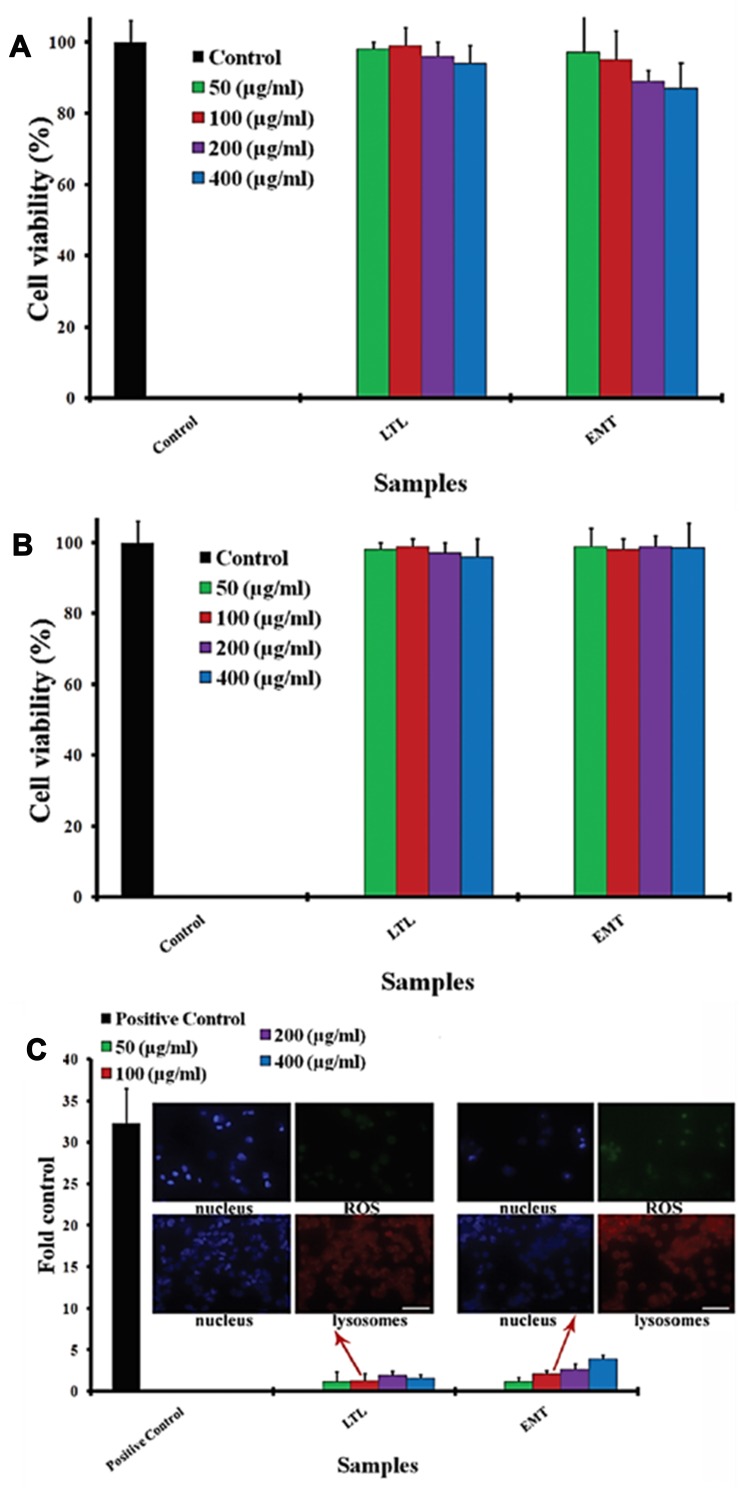
(A) HeLa cell viabilities before and after incubation with diverse concentrations of zeolites. (B) HeLa cell viabilities before and after incubation with diverse concentrations of surface saturated zeolites. (C) ROS generation for zeolites at different concentrations (ie 50–400 μg.mL−1) on HeLa cells after 6 hrs’ incubation; confocal photos (scale bars are 50 μm) indicate the induced lysosomes (the nucleus and lysosomes are shown as blue and red fluorescence, respectively) and induced ROS level (the nucleus and ROS level are shown as blue and green fluorescence, respectively) gained by the incubation of HeLa cells with zeolites (concentration of 100 μg.mL Republished with permission of Royal Society of Chemistry, from Laurent S, Ng E-P, Thirifays C, et al. Corona protein composition and cytotoxicity evaluation of ultra-small zeolites synthesized from template free precursor suspensions. Toxicol Res (Camb). 2013;2(4):270–279. Copyright 2013; permission conveyed through Copyright Clearance Center, Inc.
Scheme 1
Scheme 1
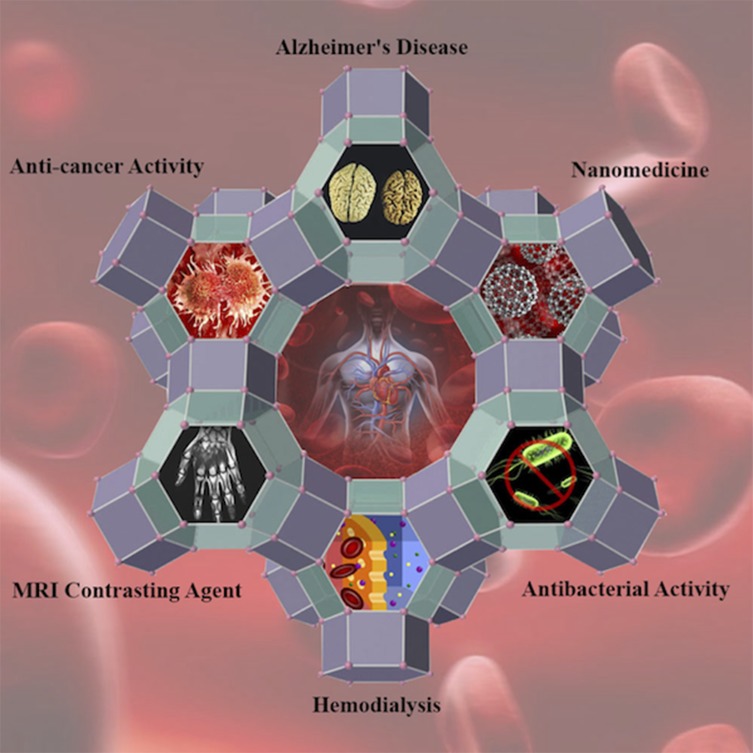
Schematic diagram of zeolite’s biomedical applications.
Figure 4
Figure 4
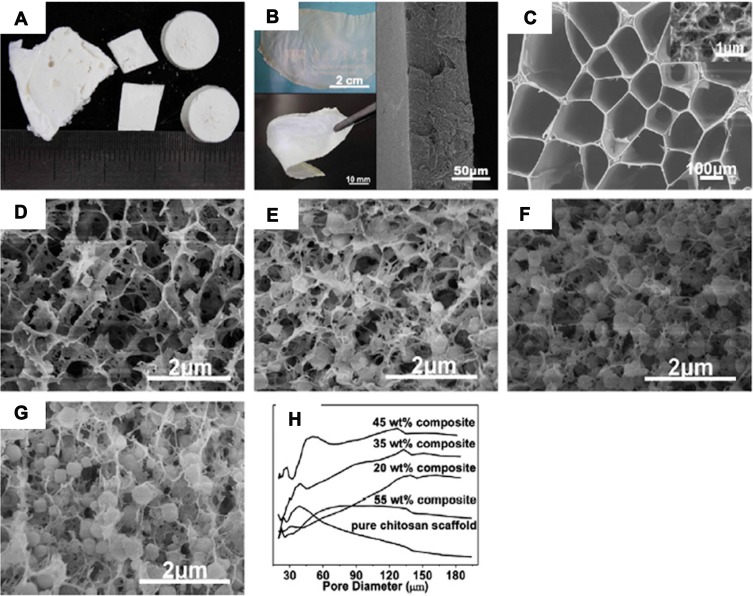
(A) Photographs of zeolite-A/chitosan hybrid composites. (B) Photograph exhibiting the transparency (up left) and flexibility (left down) of the zeolite-A/chitosan hybrid film and SEM image of the cross-section of the film (right). (C) The internal architecture of the pure chitosan scaffold with diverse magnifications. The internal microstructure of zeolite-A/chitosan hybrid composites with diverse zeolite percentages of 20 wt.% (D), 35 wt.% (E), 45 wt.% (F) and 55 wt.% (G). (H) The pore size distribution diagram of the pure chitosan scaffold and zeolite-A/chitosan hybrid composites with diverse zeolite percentages. Reprinted from Yu L, Gong J, Zeng C, et al. Preparation of zeolite-A/chitosan hybrid composites and their bioactivities and antimicrobial activities. Mater Sci Eng C. 2013;33(7):3652–3660. Copyright 2013, with permission from Elsevier.
Figure 5
Figure 5
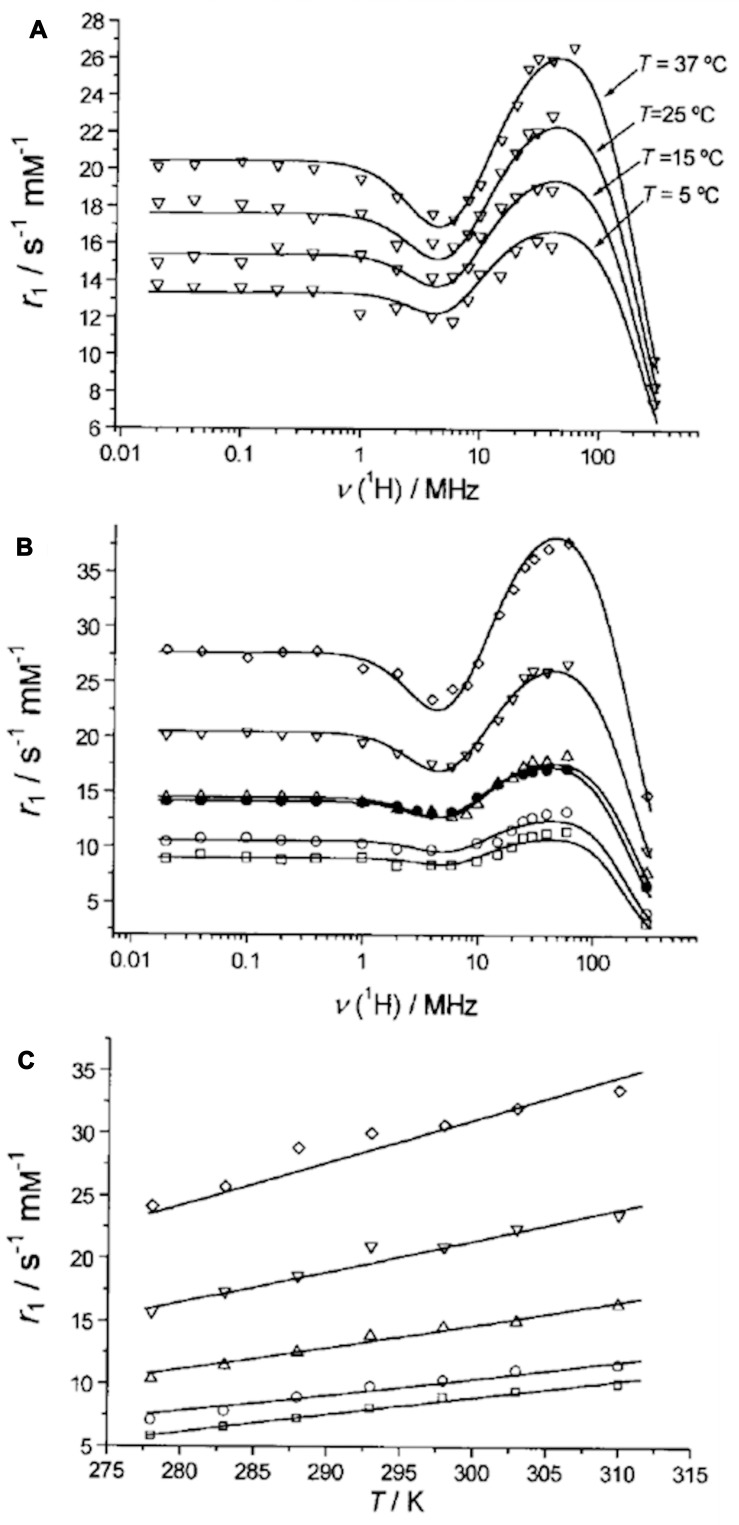
(A) The magnetic field dependence of longitudinal proton relaxation (NMRD profiles) of GdNaY-2.3 recorded at different temperatures. (B) NMRD profiles at different Gd3+ loadings for the GdNaY samples evaluated at 37 ºC. (C) Temperature dependence of the proton relaxivity at 20 MHz: GdNaY-1.3 (formula image), GdNaY-2.3 (formula image), GdNaY-3.6 (formula image), GdNaY-5.0 (formula image) and GdNaY-5.4 (formula image) and La-2.8-GdNaY-3.3 (formula image). Reprinted with permission from Platas-Iglesias C, Vander Elst L, Zhou W, et al. Zeolite GdNaY nanoparticles with very high relaxivity for application as contrast agents in magnetic resonance imaging. Chem Eur J. 2002;8(22):5121–5131. Copyright 2002, John Wiley and Sons.
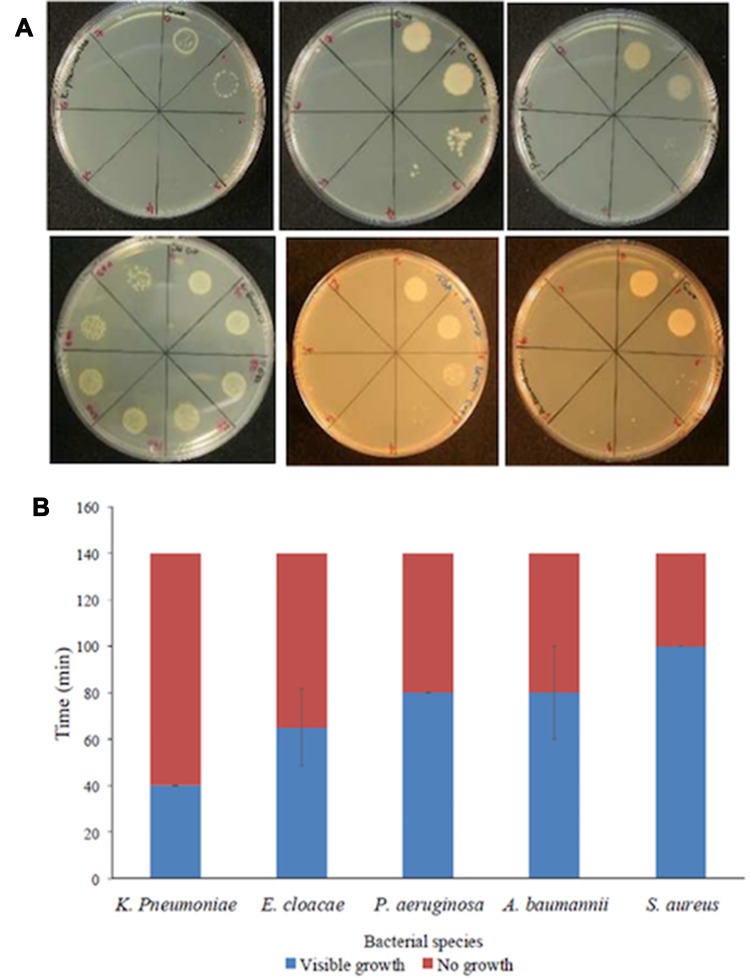
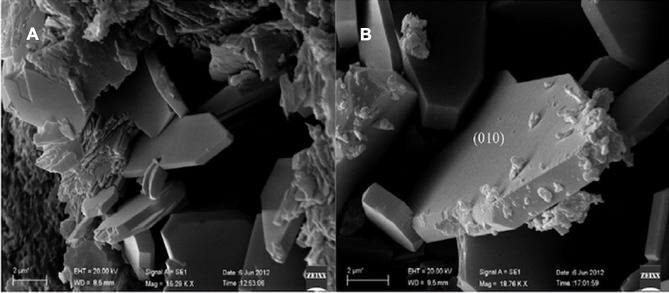
Figure 6
Figure 6
(A) Spot inoculation of ESKAPE microorganisms following treatment with the Cu-FAU suspension. Every drawn part on the plates above corresponds to 20-min sampling time (40 mins for E. faecalis); total sampling time 0–140 mins (0–280 mins for E. faecalis). Microorganisms (clockwise): K. pneumoniae, E. cloacae, P. aeruginosa, A. baumannii, S. aureus and E. faecalis. (B) Summary of the average killing times calculated in the semi-quantitative assays. Reprinted from Redfern J, Goldyn K, Verran J, et al. Application of Cu-FAU nanozeolites for decontamination of surfaces soiled with the ESKAPE pathogens. Microporous Mesoporous Mater. 2017;253:233–238. Copyright 2017, with permission from Elsevier.
Figure 7
Figure 7
SEM observation of clinoptilolite crystals in the bulk rock (A, B). Zeolites of the clinoptilolite series demonstrate a thorough cleavage parallel to the (010) plane. The particle size might be important to correlate the intensity of intestinal irritation and inflammation of the different dimension of the administered clinoptilolite-rich powder. Reprinted from Cerri G, Farina M, Brundu A, et al. Natural zeolites for pharmaceutical formulations: preparation and evaluation of a clinoptilolite-based material. Microporous Mesoporous Mater. 2016;2231335 (Supplement C):58–67. Copyright 2016, with permission from Elsevier.
Figure 8
Figure 8
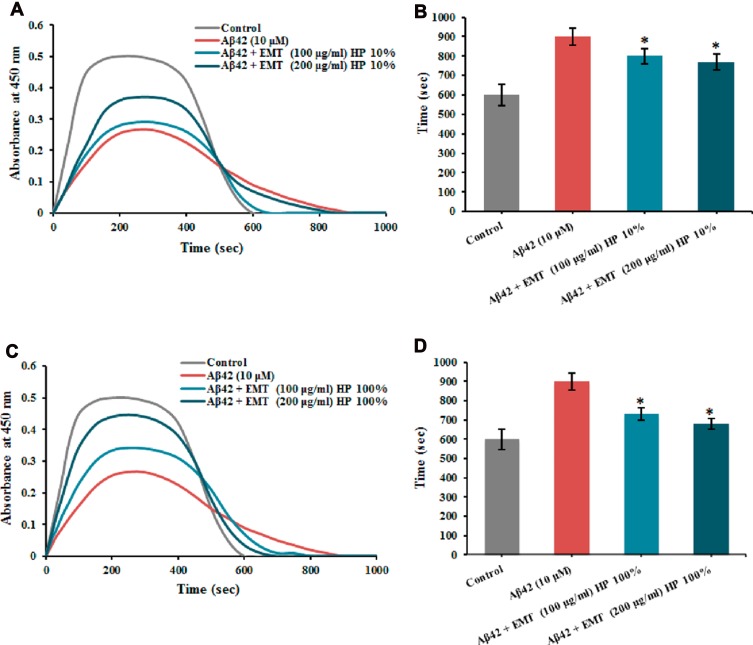
Total time determined for clot formation and breakdown in the presence of Aβ 1–42 and corona coated EMT zeolite NPs achieved from (A and B) 10% and (C and D) 100% plasmas. * P< 0.1. Reprinted with permission from Derakhshankhah H, Hajipour MJ, Barzegari E, et al. Zeolite nanoparticles inhibit Aβ–fibrinogen interaction and formation of a consequent abnormal structural clot. ACS Appl Mater Interfaces. 2016;8(45):30768–30779. Copyright © 2016, American Chemical Society.
Figure 9
Figure 9
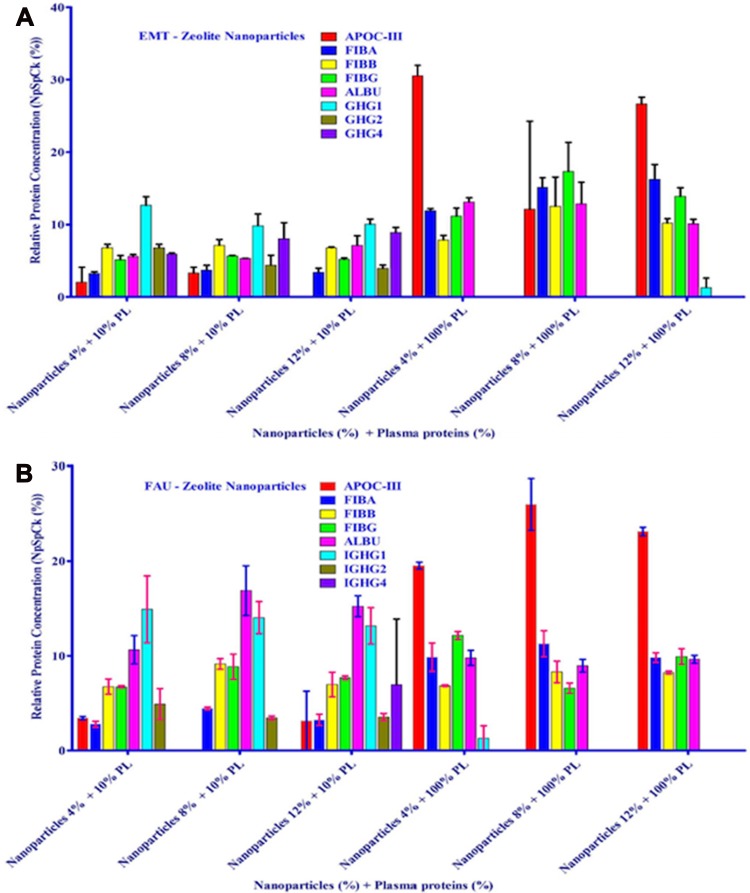
nLC-MS/MS test of corona-associated proteins on EMT-zeolite (A) and FAU-zeolite (B) NPs. Apolipoprotein C-III (APOC-III), fibrinogen alpha chain (FIBA), fibrinogen beta chain (FIBB), fibrinogen gamma chain (FIBG), albumin (ALBU), IGHG1, IGHG2 and IGHG4. Reprinted from Rahimi M, Ng E-P, Bakhtiari K, et al. Zeolite nanoparticles for selective sorption of plasma proteins. Sci Rep. 2015;5:17259. Copyright © 2015, Springer Nature.
Figure 10
Figure 10
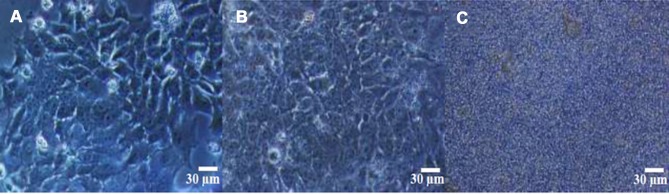
Optical microscopy images demonstrating U251 cells treated with (A) 0 mg/mL of drug delivery system (DDS), (B) 0.05 mg/mL of temozolomide (TMZ) containing mordenite zeolites (MOR) (TMZ0.026-MOR) and (C) 0.75 mg/mL of TMZ0.026-MOR under 100x magnification and found that above 0.75 mg mL1 there is high rate of cell dead, probably because from this concentration the cells are completely coated by the zeolite, which compromise the cell-nutrient exchange with the culture media. Reprinted with permission from Ref [134] Copyright (2011), ROYAL SOCIETY OF CHEMISTRY.

References

    1. Everett DH. Manual of symbols and terminology for physicochemical quantities and units, appendix II: definitions, terminology and symbols in colloid and surface chemistry. Pure Appl Chem. 1972;31(4):577–638. doi:10.1351/pac197231040577 - DOI
    1. Valtchev V, Tosheva L. Porous nanosized particles: preparation, properties, and applications. Chem Rev. 2013;113(8):6734–6760. doi:10.1021/cr300439k - DOI - PubMed
    1. Cho J, Ishida Y. Macroscopically oriented porous materials with periodic ordered structures: from zeolites and metal-organic frameworks to liquid-crystal-templated mesoporous materials. Adv Mater. 2017;29(25):1605974. doi:10.1002/adma.201605974 - DOI - PubMed
    1. Ogawa T, Iyoki K, Fukushima T, et al. Landscape of research areas for zeolites and metal-organic frameworks using computational classification based on citation networks. Materials (Basel). 2017;10(12):1428. doi:10.3390/ma10121428 - DOI - PMC - PubMed
    1. Barrer RM. Hydrothermal Chemistry of Zeolites. London: Academic Press; 1982.