


Canadian practice guidelines for the treatment of children and adolescents with eating disorders
- PMID: 32021688
- PMCID: PMC6995106
- DOI: 10.1186/s40337-020-0277-8
Canadian practice guidelines for the treatment of children and adolescents with eating disorders
Abstract
Objectives: Eating disorders are common and serious conditions affecting up to 4% of the population. The mortality rate is high. Despite the seriousness and prevalence of eating disorders in children and adolescents, no Canadian practice guidelines exist to facilitate treatment decisions. This leaves clinicians without any guidance as to which treatment they should use. Our objective was to produce such a guideline.
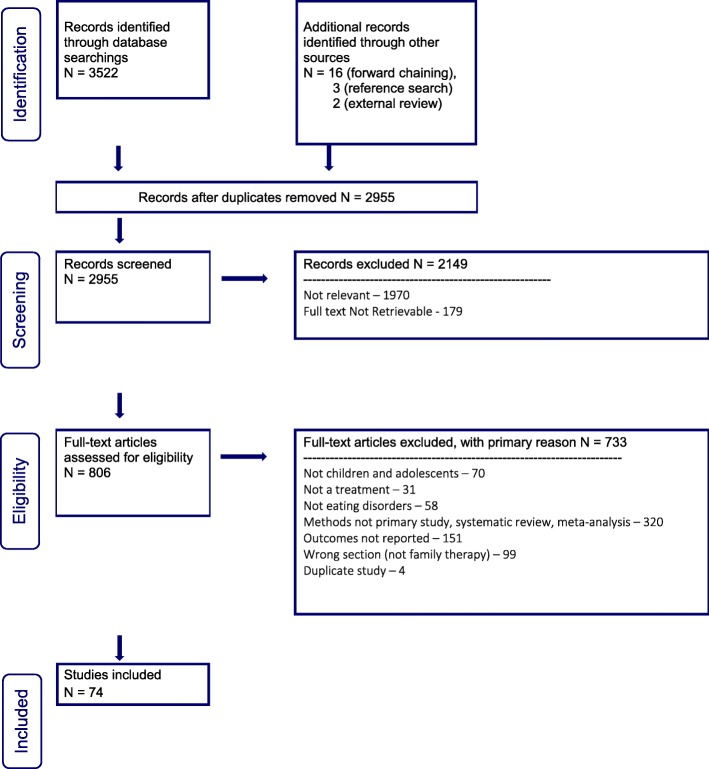
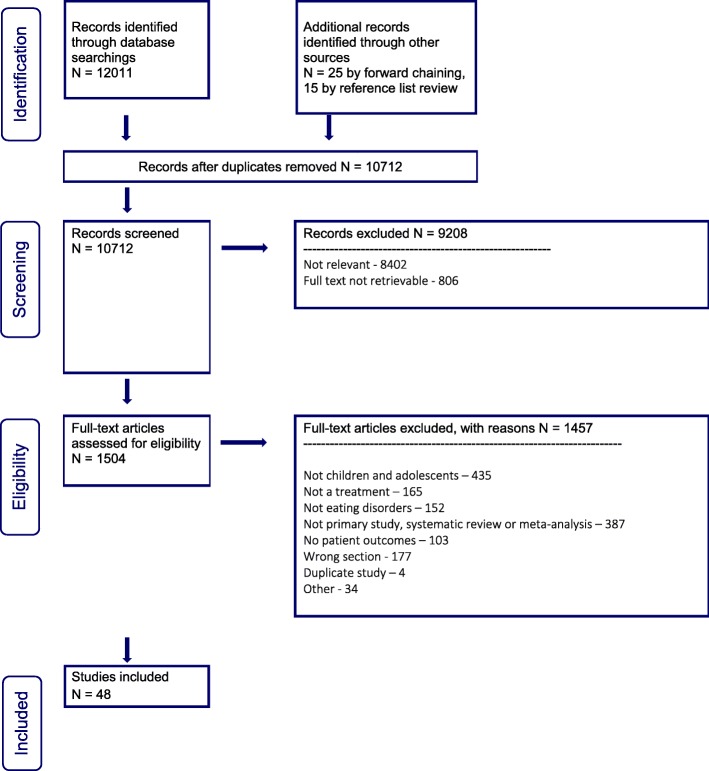
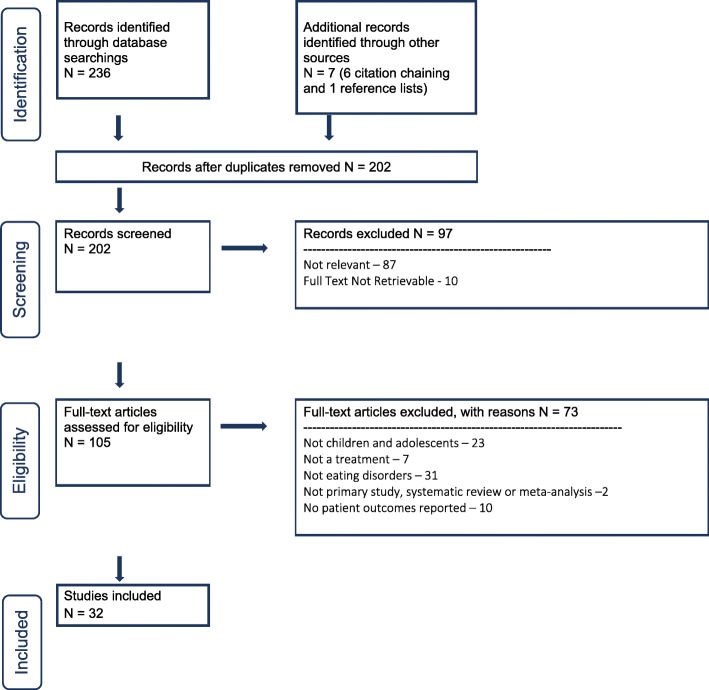
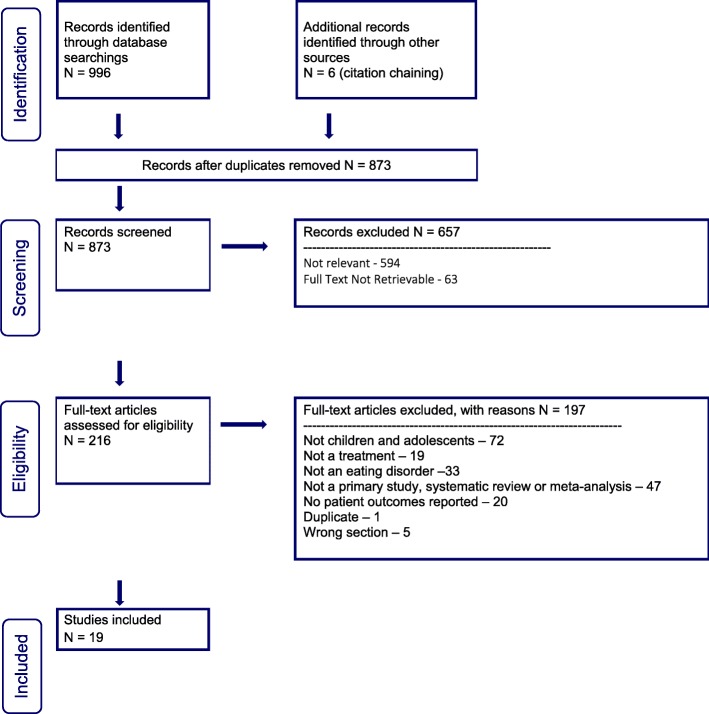
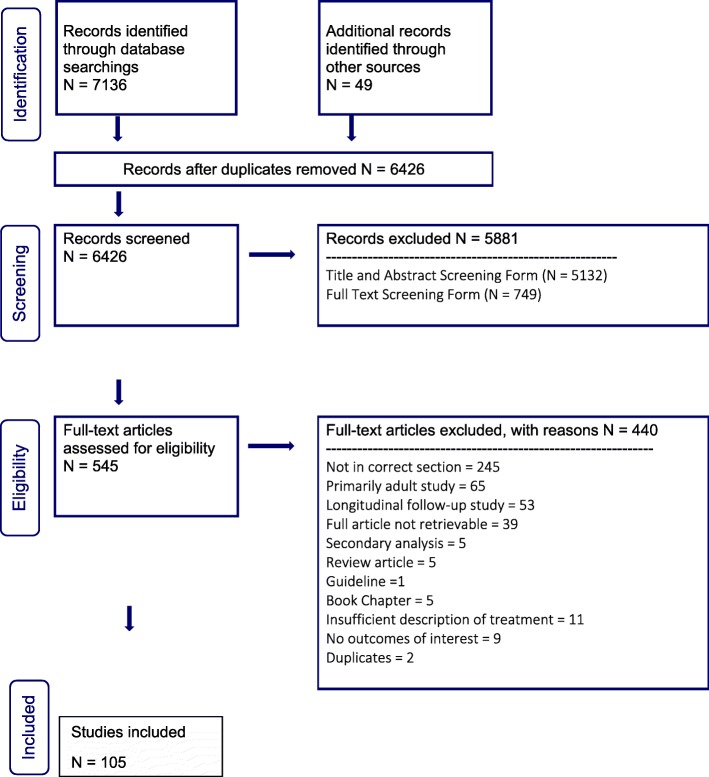
Methods: Using systematic review, the Grading of Recommendations Assessment, Development, and Evaluation (GRADE) system, and the assembly of a panel of diverse stakeholders from across the country, we developed high quality treatment guidelines that are focused on interventions for children and adolescents with eating disorders.
Results: Strong recommendations were supported specifically in favour of Family-Based Treatment, and more generally in terms of least intensive treatment environment. Weak recommendations in favour of Multi-Family Therapy, Cognitive Behavioural Therapy, Adolescent Focused Psychotherapy, adjunctive Yoga and atypical antipsychotics were confirmed.
Conclusions: Several gaps for future work were identified including enhanced research efforts on new primary and adjunctive treatments in order to address severe eating disorders and complex co-morbidities.
Keywords: Adolescent; Anorexia nervosa; Avoidant/restrictive food intake disorder; Bulimia nervosa; Guidelines.
© The Author(s). 2020.
Conflict of interest statement
Competing interestsThe authors declare that they have no competing interests.
Figures
References
Publication types
LinkOut - more resources
Full Text Sources
