


Therapeutic Potential of Plant Phenolic Acids in the Treatment of Cancer
- PMID: 32028623
- PMCID: PMC7072661
- DOI: 10.3390/biom10020221
Therapeutic Potential of Plant Phenolic Acids in the Treatment of Cancer
Abstract
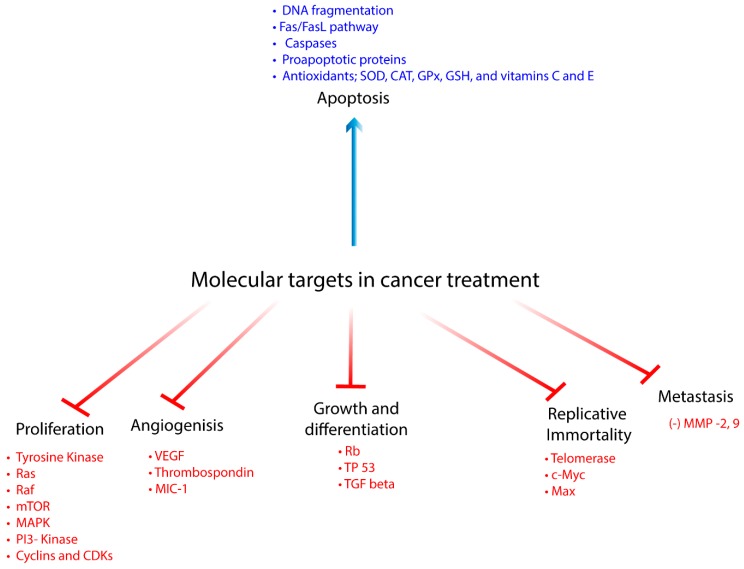
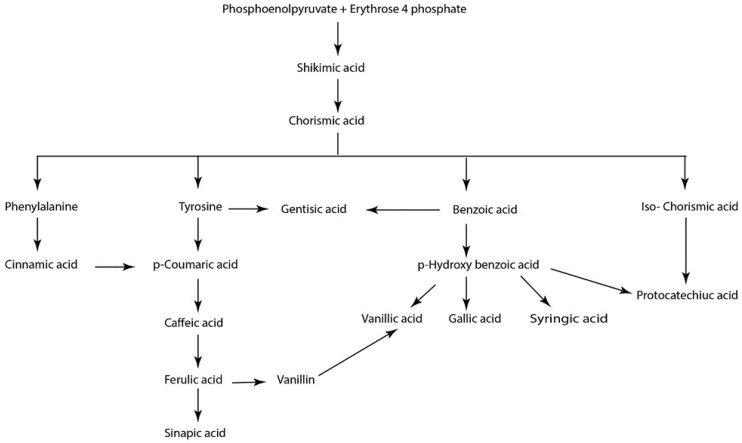
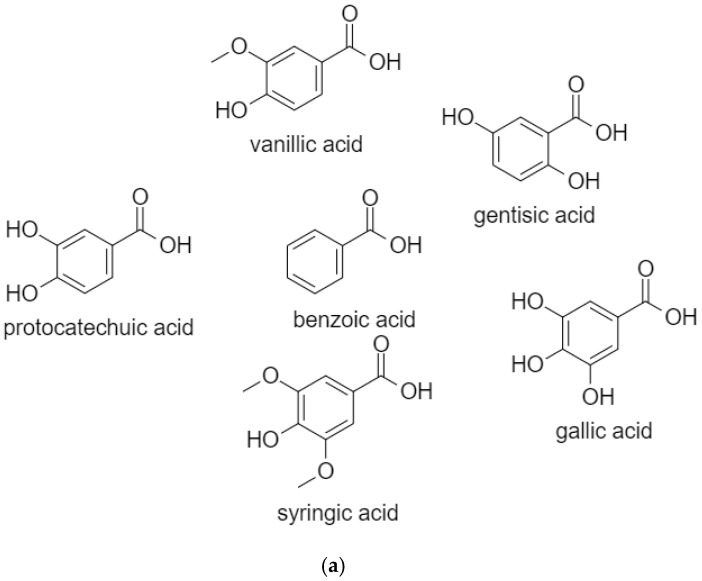
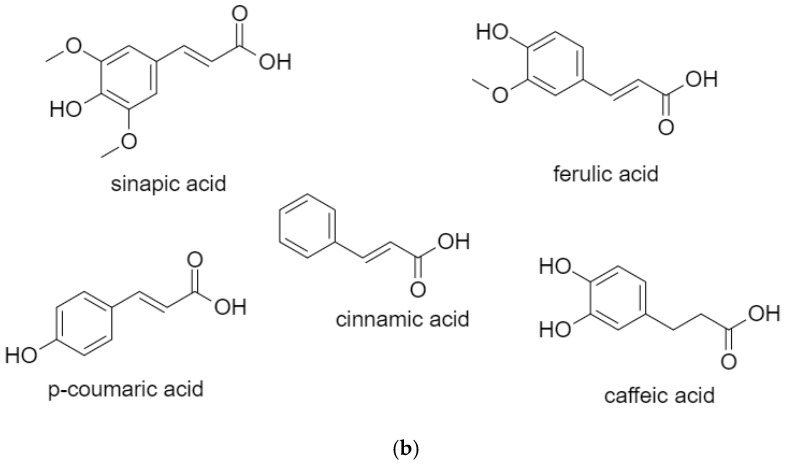
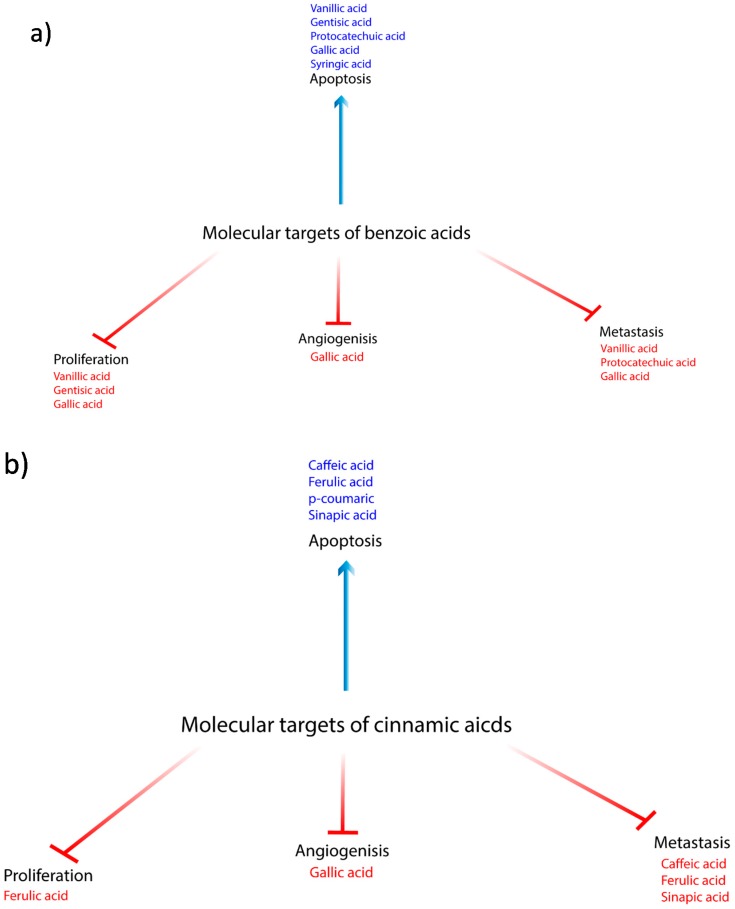
Globally, cancer is the second leading cause of death. Different conventional approaches to treat cancer include chemotherapy or radiotherapy. However, these are usually associated with various deleterious effects and numerous disadvantages in clinical practice. In addition, there are increasing concerns about drug resistance. In the continuous search for safer and more effective treatments, plant-derived natural compounds are of major interest. Plant phenolics are secondary metabolites that have gained importance as potential anti-cancer compounds. Phenolics display a great prospective as cytotoxic anti-cancer agents promoting apoptosis, reducing proliferation, and targeting various aspects of cancer (angiogenesis, growth and differentiation, and metastasis). Phenolic acids are a subclass of plant phenolics, furtherly divided into benzoic and cinnamic acids, that are associated with potent anticancer abilities in various in vitro and in vivo studies. Moreover, the therapeutic activities of phenolic acids are reinforced by their role as epigenetic regulators as well as supporters of adverse events or resistance associated with conventional anticancer therapy. Encapsulation of phyto-substances into nanocarrier systems is a challenging aspect concerning the efficiency of natural substances used in cancer treatment. A summary of phenolic acids and their effectiveness as well as phenolic-associated advances in cancer treatment will be discussed in this review.
Keywords: apoptosis; benzoic acids; cancer; cinnamic acids; metastasis; phenolics; proliferation.
Conflict of interest statement
“The authors declare no conflict of interest. The funders had no role in the design of the study; in the collection, analyses, or interpretation of data; in the writing of the manuscript, or in the decision to publish the article”.
Figures
References
-
- Ls R., Nja S. Anticancer Properties of Phenolic Acids in Colon Cancer – A Review. J. Nutr. Food Sci. 2016;06:10–4172. doi: 10.4172/2155-9600.1000468. - DOI
Publication types
MeSH terms
Substances
Grants and funding
LinkOut - more resources
Full Text Sources
Medical
