


Laparoscopic In-Bag Morcellation Compared with Conventional Morcellation of Myomas and Uterus with Myomas
- PMID: 32030009
- PMCID: PMC6982620
- DOI: 10.1007/s13224-019-01273-9
Laparoscopic In-Bag Morcellation Compared with Conventional Morcellation of Myomas and Uterus with Myomas
Abstract
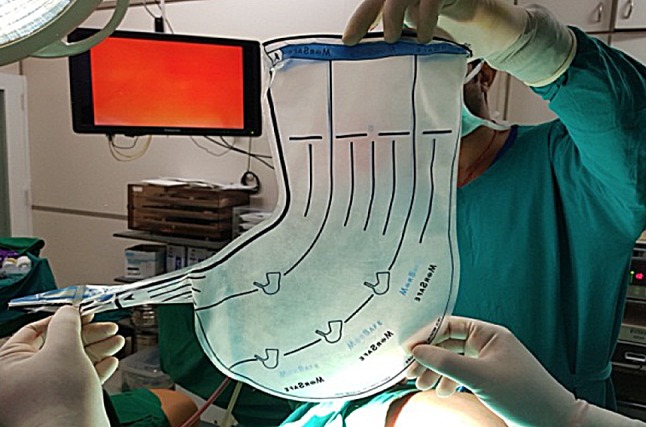
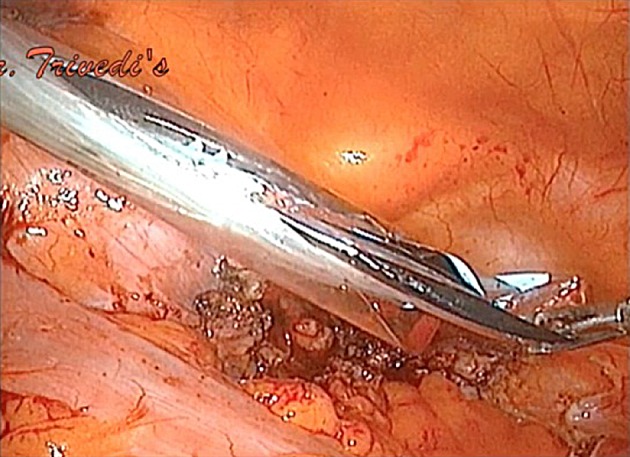
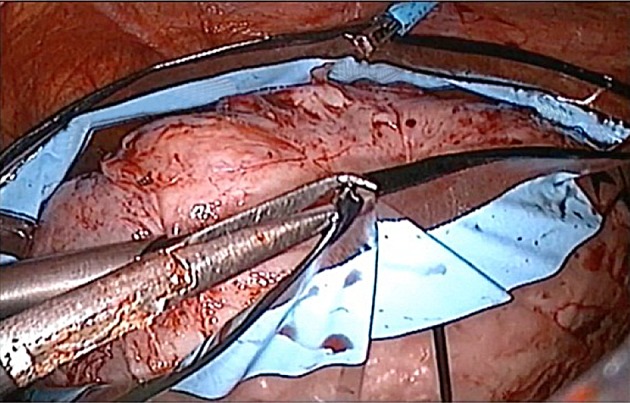
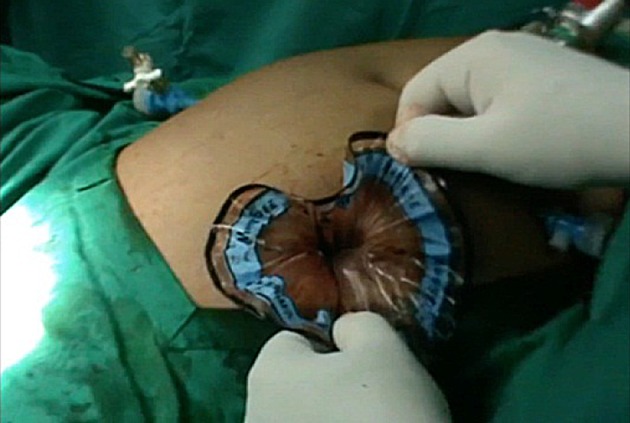
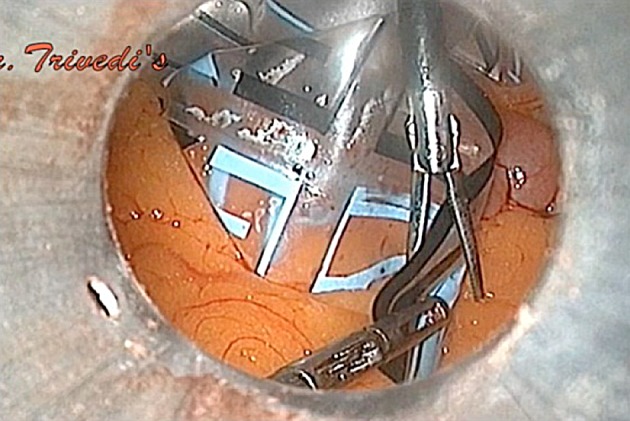
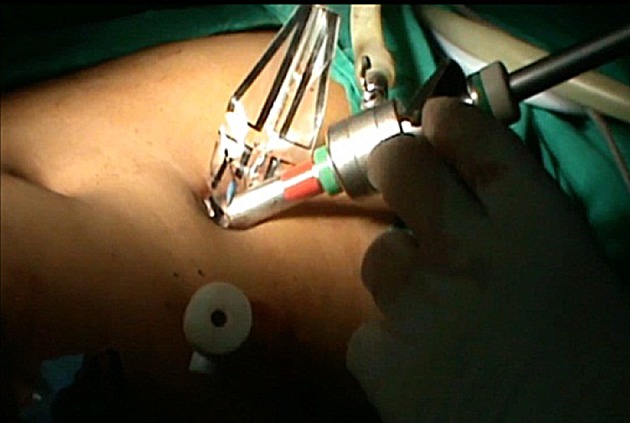
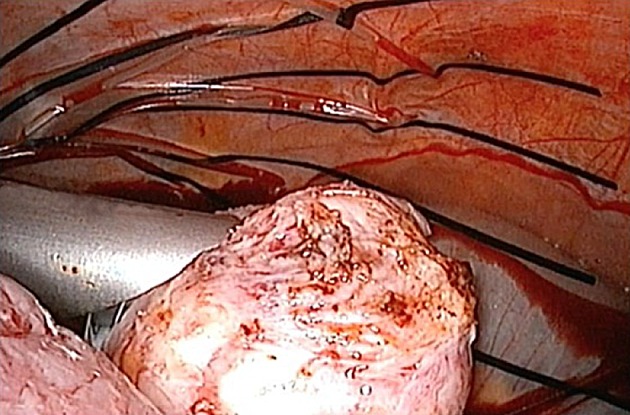
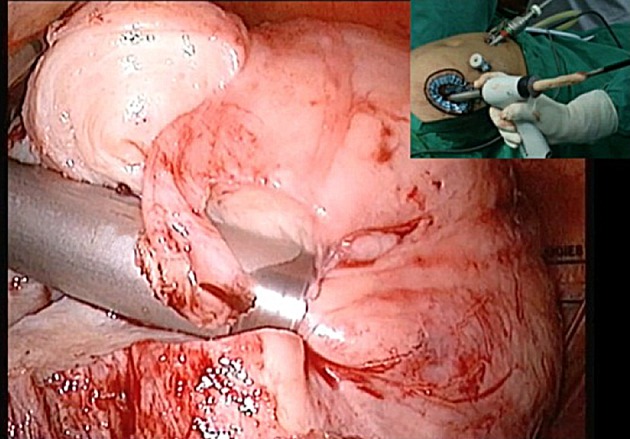
Study objective: To evaluate contained bag electromechanical morcellation for removal of myomas and uterus with myomas, laparoscopically (Study group B), and compare it with uncontained laparoscopic morcellation (Control group A) in patients with similar parameters done earlier.
Design: Retrospective Cohort Comparative Study (Canadian Task Force 2-1).
Setting: Advanced Gynaecologic MAS, university recognized tertiary centre, Mumbai, India.
Patients: 720 women had laparoscopic removal of myomas or large uterus with myomas during a study period of 6 years (from 13 May 2012 to 14 August 2018) with contained bag electromechanical or conventional morcellation.
Interventions: Laparoscopic hysterectomy, laparoscopic myomectomy, conventional uncontained morcellation, contained in-bag morcellation.
Main outcomes measures: Laparoscopic contained in-bag morcellation was compared with conventional morcellation of myomas and uterus with large myomas during a study period of 6 years. Parameters assessed were operating time, time for insertion of bag, morcellation of tissues and removal of bag, blood loss, complications, conversion to open surgery and histopathologic findings of tissues. In Group A, in the first 3 years, 355 women underwent uncontained morcellation. Myoma size and weight varied from 5 cm to 26 cm and 200 g to 3740 g respectively. The myoma number ranged from 1 to 18. No case of leiomyosarcoma was reported. In Group B, in the next 3 years, 365 women underwent contained bag morcellation in 196 myomectomy cases and 169 hysterectomy cases. Myoma size and weight varied from 4 cm to 20 cm and 200 g to 2100 g respectively. The number of myomas varied from 1 to 17.
Results and conclusion: Laparoscopic contained bag morcellation for myomas and uterus with large myomas were evaluated. In myomectomy group both conventional and in bag laparoscopic morcellation were comparable in terms of duration of the surgery and blood loss. When all cases ( hysterectomy and myomectomy combined together) and cases of hysterectomy with large fibroid were studied, laparoscopic in bag morcellation took less operative time and there was statistically significant difference in operative time . No case of leiomyosarcoma was found in our study of 720 cases of myomas or uterus with large myomas.
Keywords: Contained morcellation; Hysterectomy; In bag morcellation; Morcellation; Myoma; Myomectomy.
© Federation of Obstetric & Gynecological Societies of India 2019.
Conflict of interest statement
Conflict of interestWe, the authors, Prakash H. Trivedi, Soumil Trivedi and Sandeep Patil, state that there is no conflict of interest or any financial disclosures.
Figures
References
-
- Steiner RA, Wight E, Tadir Y, Haller U. Electrical cutting device for laparoscopic removal of tissue from the abdominal cavity. Obstet Gynecol. 1993;81(3):471–474. - PubMed
-
- Food and Drug Administration FDA discourages use of Laparoscopic power morcellation for removal of uterus or uterine fibroids. Food Drug Adm. 2014;17:4.
-
- Sheth SS. An approach to vasicouterine peritoneum through a new surgical space. J Gynaecol Surg. 1996;12(2):135–140. doi: 10.1089/gyn.1996.12.135. - DOI
LinkOut - more resources
Full Text Sources