. 2020 Feb 7;10(1):2114.
doi: 10.1038/s41598-020-58845-3.

Exome sequencing revealed DNA variants in NCOR1, IGF2BP1, SGLT2 and NEK11 as potential novel causes of ketotic hypoglycemia in children

Affiliations

Exome sequencing revealed DNA variants in NCOR1, IGF2BP1, SGLT2 and NEK11 as potential novel causes of ketotic hypoglycemia in children

Yazeid Alhaidan et al. Sci Rep. .

Abstract

Unexplained or idiopathic ketotic hypoglycemia (KH) is the most common type of hypoglycemia in children. The diagnosis is based on the exclusion of routine hormonal and metabolic causes of hypoglycemia. We aimed to identify novel genes that cause KH, as this may lead to a more targeted treatment. Deep phenotyping of ten preschool age at onset KH patients (boys, n = 5; girls, n = 5) was performed followed by trio exome sequencing and comprehensive bioinformatics analysis. Data analysis revealed four novel candidate genes: (1) NCOR1 in a patient with KH, iron deficiency and loose stools; (2) IGF2BP1 in a proband with KH, short stature and delayed bone age; (3) SLC5A2 in a proband with KH, intermittent glucosuria and extremely elevated p-GLP-1; and (4) NEK11 in a proband with ketotic hypoglycemia and liver affliction. These genes are associated with different metabolic processes, such as gluconeogenesis, translational regulation, and glucose transport. In conclusion, WES identified DNA variants in four different genes as potential novel causes of IKH, suggesting that IKH is a heterogeneous disorder that can be split into several novel diseases: NCOR1-KH, IGF2BP1-KH, SGLT2-KH or familial renal glucosuria KH, and NEK11-KH. Precision medicine treatment based on exome sequencing may lead to advances in the management of IKH.


Conflict of interest statement

The authors declare no competing interests.

Figures
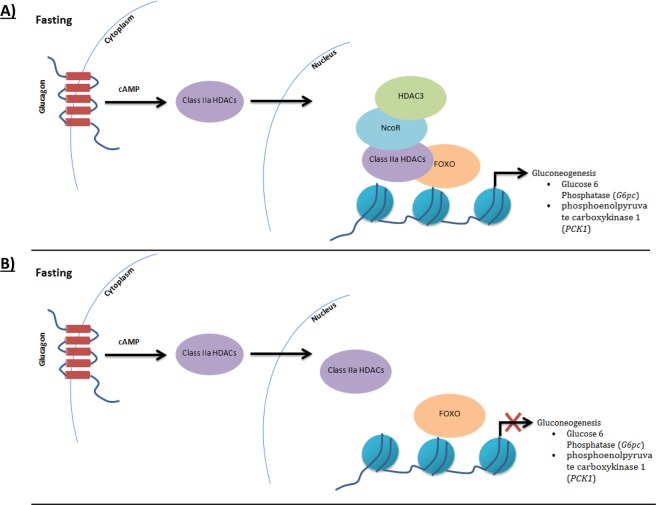
Figure 1
Figure 1
NCOR/HDAC3 recruitment for transcriptional induction of gluconeogenesis pathway. Molecular models of NCOR/HDAC3 recruitment for gluconeogenesis transcriptional genes during fasting. (A) In present of NCOR/HDAC3 complex, gluconeogenesis activated via FOXO/Class IIa HDACs. (B) in absent of NCOR/HDAC3 complex, Class IIa HDACs lose it is ability to activate FOXO leading to suppress gluconeogenesis transregional genes.
Figure 2
Figure 2
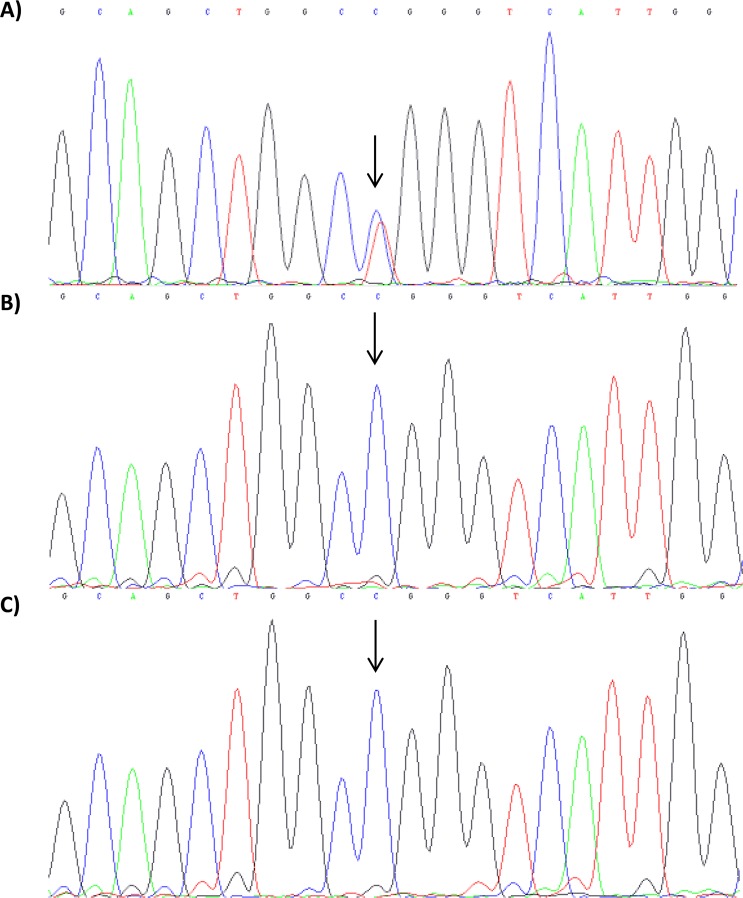
HH21 family’s Sanger sequencing results for IGF2BP1 gene. Sanger sequencing results; (A) proband shows a heterozygous de novo mutation in location c.1501 C > T; p.Arg501Trp. The corresponding; (B) paternal and (C) maternal sequence presented wild-type alleles of IGF2BP1.
Figure 3
Figure 3
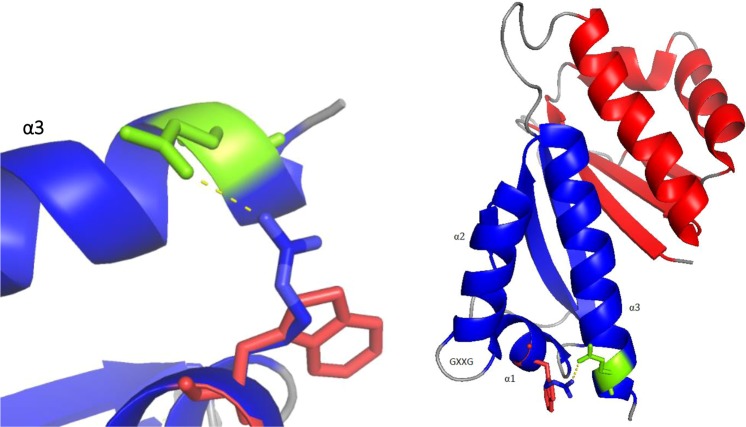
3D protein structure. The arginine (blue) in α1 is mutated into a Tryptophan (red). Due to this mutation, the hydrogen bonds (yellow dotted lines) between arginine and glutamine in α3 (green) are lost.
Figure 4
Figure 4
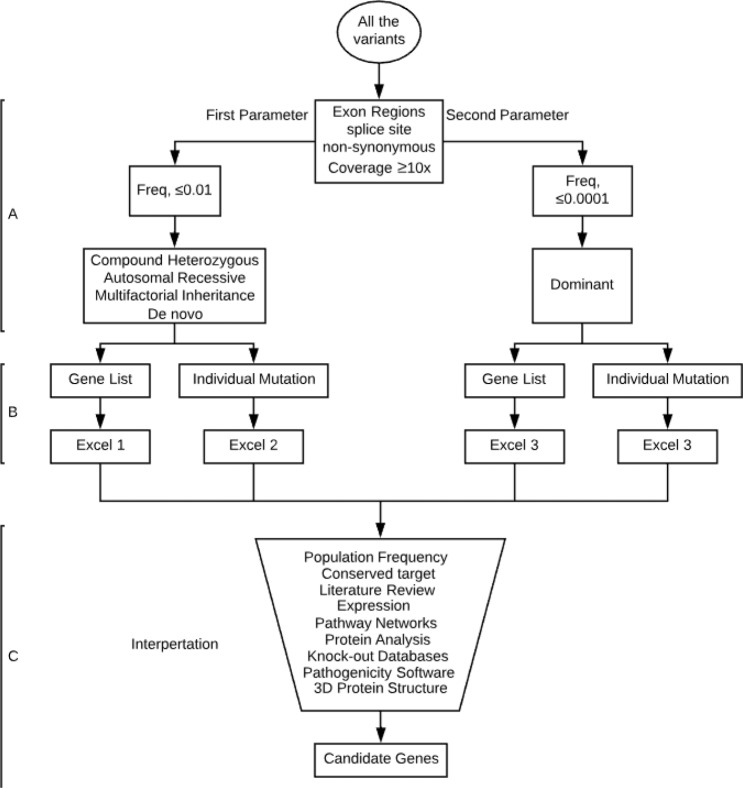
Exome data analysis strategy. Data filtering strategy; (A) Row data filter in all non-synonymous variants that presented within the exone regions or splicing sites including a minimum of 10X coverage. In parallel variant processed through two parameters; first parameter set with freq. of ≤0.01 for compound heterozygous, autosomal recessive, multifactorial inheritance, or de novo pattern while the second parameter set with freq. of ≤0.0001 for the dominant pattern. (B) Both parameters filtered against our gene list as well as individual mutations generated from step A will be kept without filtering. This step generates four excel files. (C) Data interpretation carried out manually for each file using multi-database with incorporated a considerable amount of judgment and extrapolation. This leads to generating a number of candidate genes that already known or newly discovered gene.

References

    1. Cornblath M, et al. Controversies regarding definition of neonatal hypoglycemia: suggested operational thresholds. Pediatrics. 2000;105:1141–1145. doi: 10.1542/peds.105.5.1141. - DOI - PubMed
    1. Thornton PS, et al. Recommendations from the Pediatric Endocrine Society for Evaluation and Management of Persistent Hypoglycemia in Neonates, Infants, and Children. J. Pediatr. 2015;167:238–245. doi: 10.1016/j.jpeds.2015.03.057. - DOI - PMC - PubMed
    1. Andersen UM, Lund HT. [Hypoglycemia caused by growth hormone deficiency. Two cases in children with cerebral paresis]. Ugeskr. Laeger. 1995;157:1681–1682. - PubMed
    1. Bennett MJ, Boriack RL, Narayan S, Rutledge SL, Raff ML. Novel mutations in CPT 1A define molecular heterogeneity of hepatic carnitine palmitoyltransferase I deficiency. Mol. Genet. Metab. 2004;82:59–63. doi: 10.1016/j.ymgme.2004.02.004. - DOI - PubMed
    1. Iacobazzi V, et al. Molecular and functional analysis of SLC25A20 mutations causing carnitine-acylcarnitine translocase deficiency. Hum. Mutat. 2004;24:312–320. doi: 10.1002/humu.20085. - DOI - PubMed

Publication types