


Does aerobic exercise benefit persons with tetraplegia from spinal cord injury? A systematic review
- PMID: 32043944
- PMCID: PMC8477928
- DOI: 10.1080/10790268.2020.1722935
Does aerobic exercise benefit persons with tetraplegia from spinal cord injury? A systematic review
Abstract
Context: This review synthesizes the findings of previous research studies on the cardiovascular and metabolic benefits of aerobic exercise for individuals with tetraplegia secondary to spinal cord injury. They are often less active due to muscular paralysis, sensory loss, and sympathetic nervous system dysfunction that result from injury. Consequently, these persons are at higher risk for exercise intolerance and secondary health conditions.
Objective: To evaluate the evidence concerning efficacy of aerobic exercise training for improving health and exercise performance in persons with tetraplegia from cervical injury.
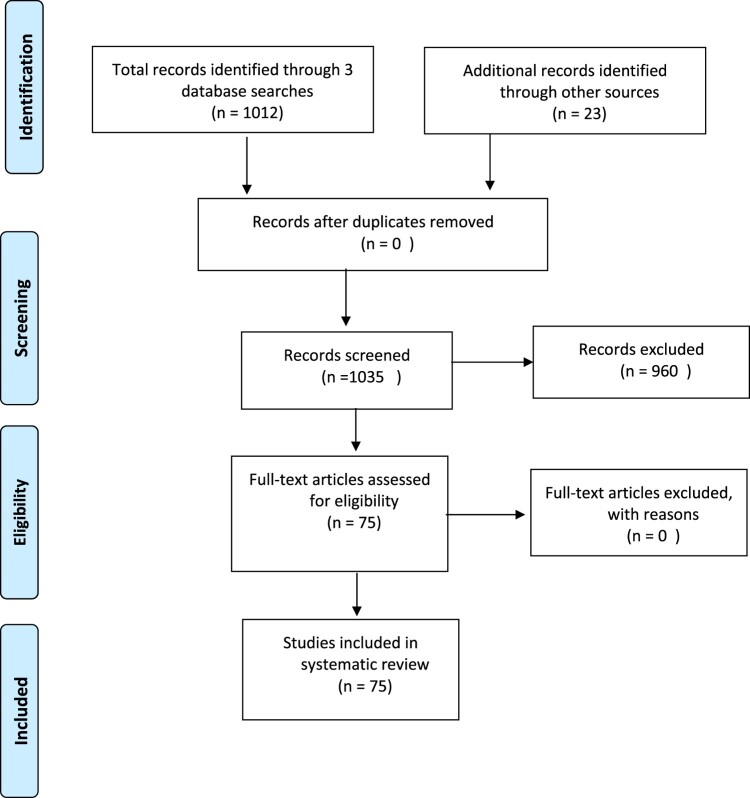
Methods: The search engines PubMed and Google Scholar were used to locate published research. The final 75 papers were selected on the basis of inclusion criteria. The studies were then rank-ordered using Physiotherapy Evidence Database.
Results: Studies combining individuals with tetraplegia and paraplegia show that voluntary arm-crank training can increase mean peak power output by 33%. Functional electrical stimulation leg cycling was shown to induce higher peak cardiac output and stroke volume than arm-crank exercise. A range of peak oxygen uptake (VO2peak) values have been reported (0.57-1.32 L/min). Both VO2peak and cardiac output may be enhanced via increased muscle pump in the legs and venous return to the heart. Hybrid exercise (arm-crank and functional electrical stimulation leg cycling) can result in greater peak oxygen uptake and cardiovascular responses.
Conclusion: Evidence gathered from this systematic review of literature is inconclusive due to the lack of research focusing on those with tetraplegia. Higher power studies (level 1-3) are needed with the focus on those with tetraplegia.
Keywords: Exercise therapy; Rehabilitation; Spinal cord injuries; Tetraplegia.
References
-
- Figoni SF.Exercise responses and quadriplegia. Med Sci Sports Exerc 1993;25:433–41. - PubMed
-
- van den Berg-Emons RJ, Bussmann JB, Stam HJ.. Accelerometry-based activity spectrum in persons with chronic physical conditions. Arch Phys Med Rehabil 2010;91:1856–61. - PubMed
-
- Figoni SF, Chen LK.. Cardiovascular characteristics of SCI/D outpatients referred to a Kinesiotherapy wellness exercise program. Clin Kinesiol 2015;69:11–20.
-
- Groah SL, Weitzenkamp D, Sett P P, Soni B, Savic G.. Relationship between neurological level of injury and symptomatic cardiovascular disease risk in the aging spinal injured. Spinal Cord 2001;39:310–7. - PubMed
Publication types
MeSH terms
LinkOut - more resources
Full Text Sources
Medical
