


Phthalate exposure and neurodevelopment: A systematic review and meta-analysis of human epidemiological evidence
- PMID: 32045779
- PMCID: PMC8453372
- DOI: 10.1016/j.envint.2019.105408
Phthalate exposure and neurodevelopment: A systematic review and meta-analysis of human epidemiological evidence
Abstract
Objective: We performed a systematic review of the epidemiology literature to identify the neurodevelopmental effects associated with phthalate exposure.
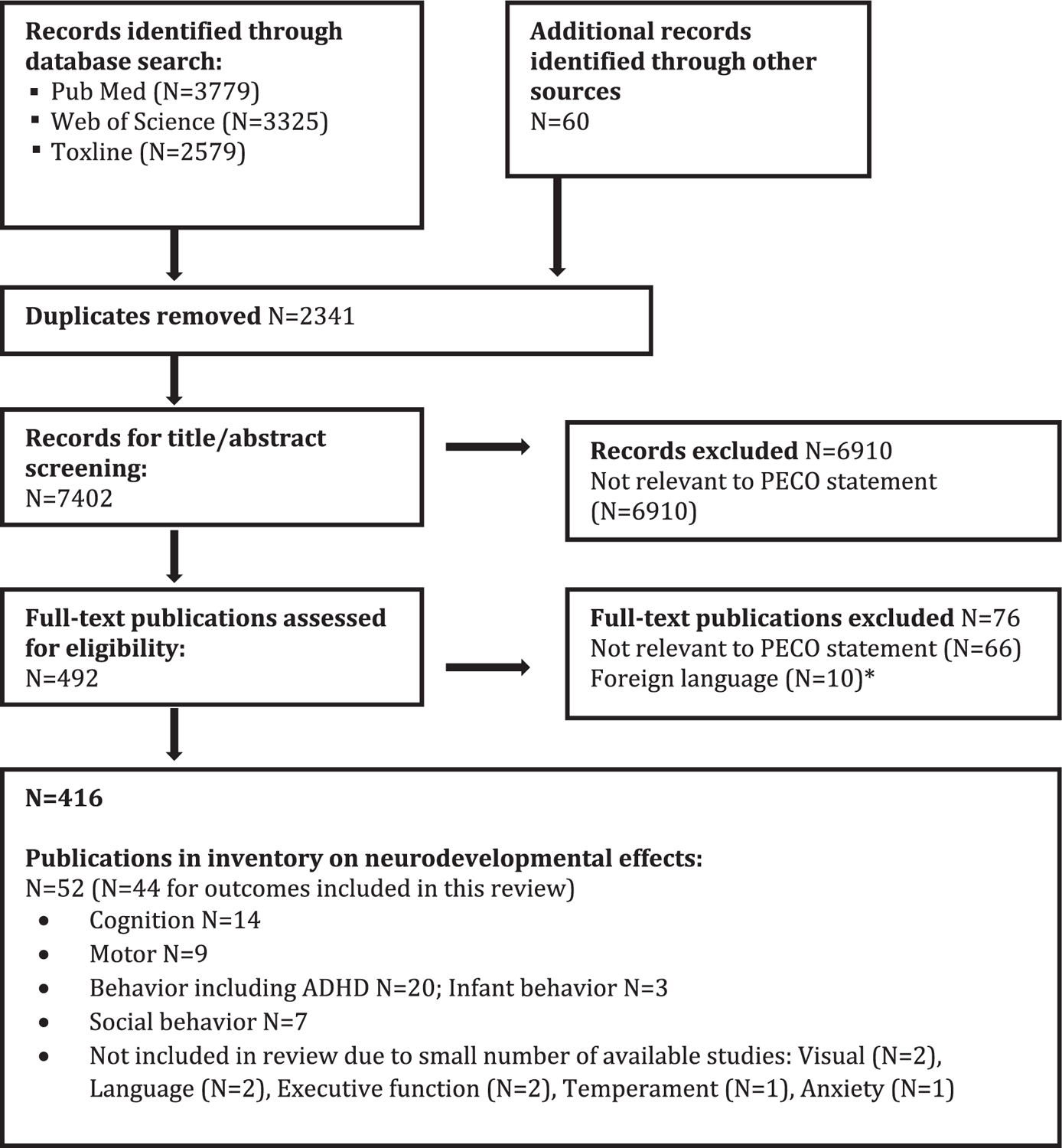
Data sources and study eligibility criteria: Six phthalates were included in the review: di(2-ethylhexyl) phthalate (DEHP), diisononyl phthalate (DINP), dibutyl phthalate (DBP), diisobutyl phthalate (DIBP), butyl benzyl phthalate (BBP), and diethyl phthalate (DEP). The initial literature search (of PubMed, Web of Science, and Toxline) included all studies of neurodevelopmental effects in humans, and outcomes were selected for full systematic review based on data availability.
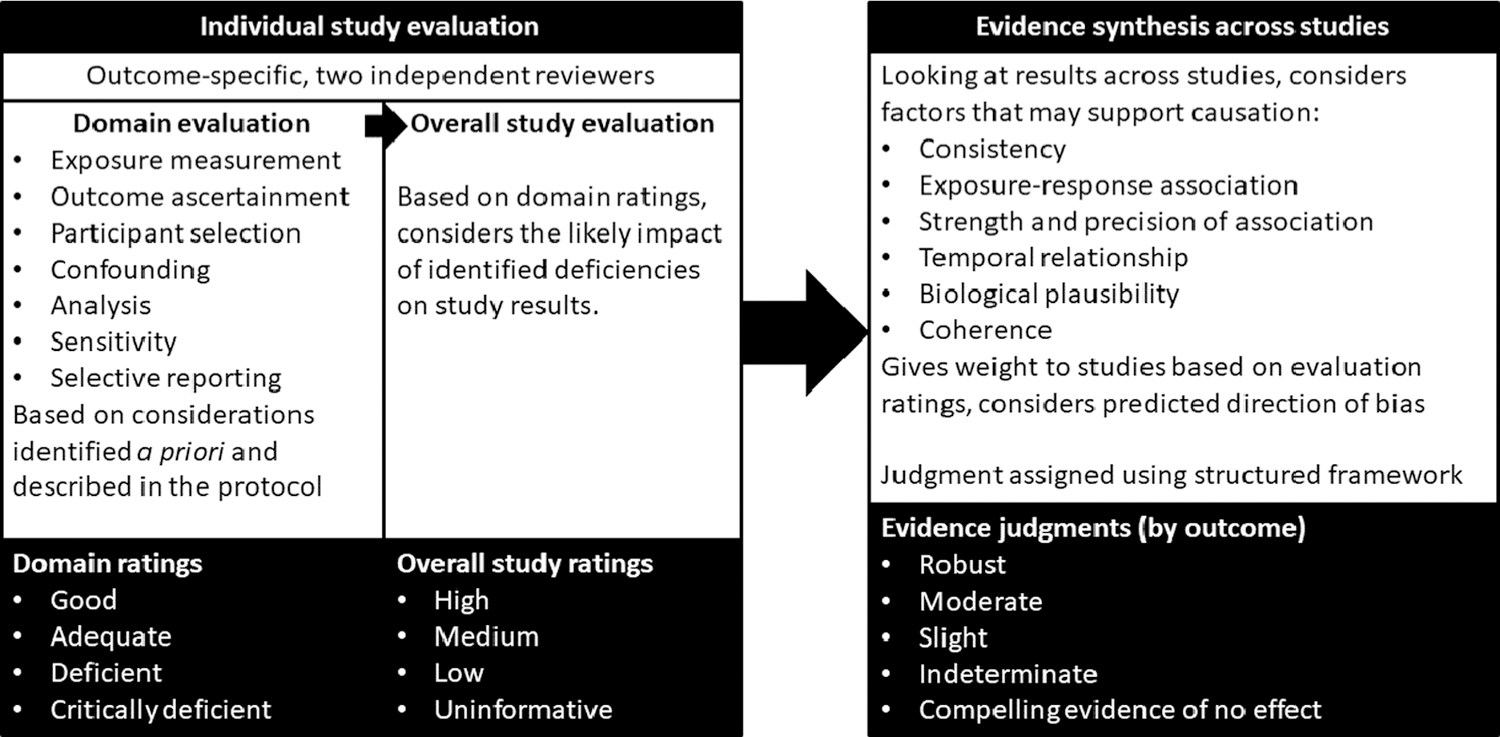
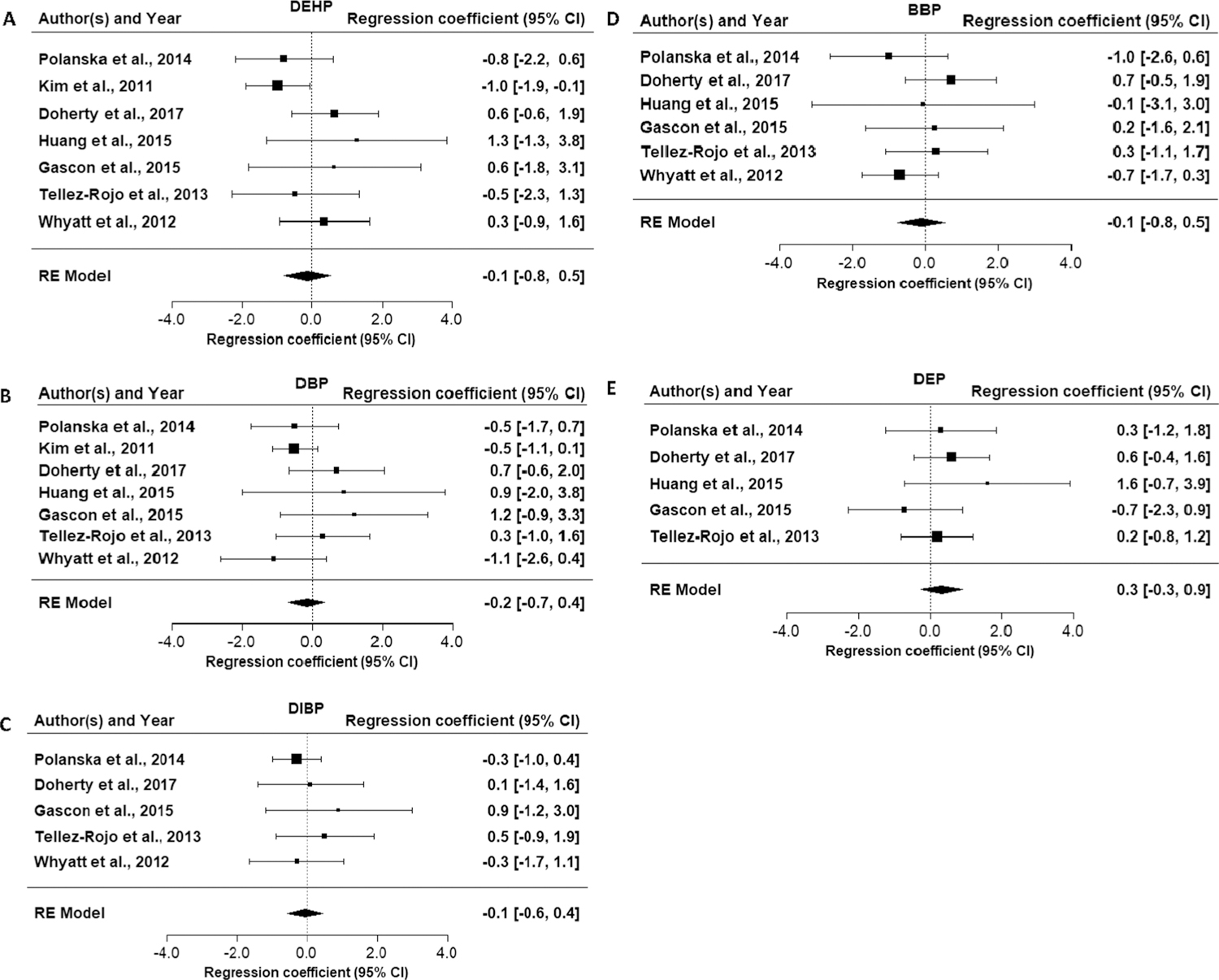
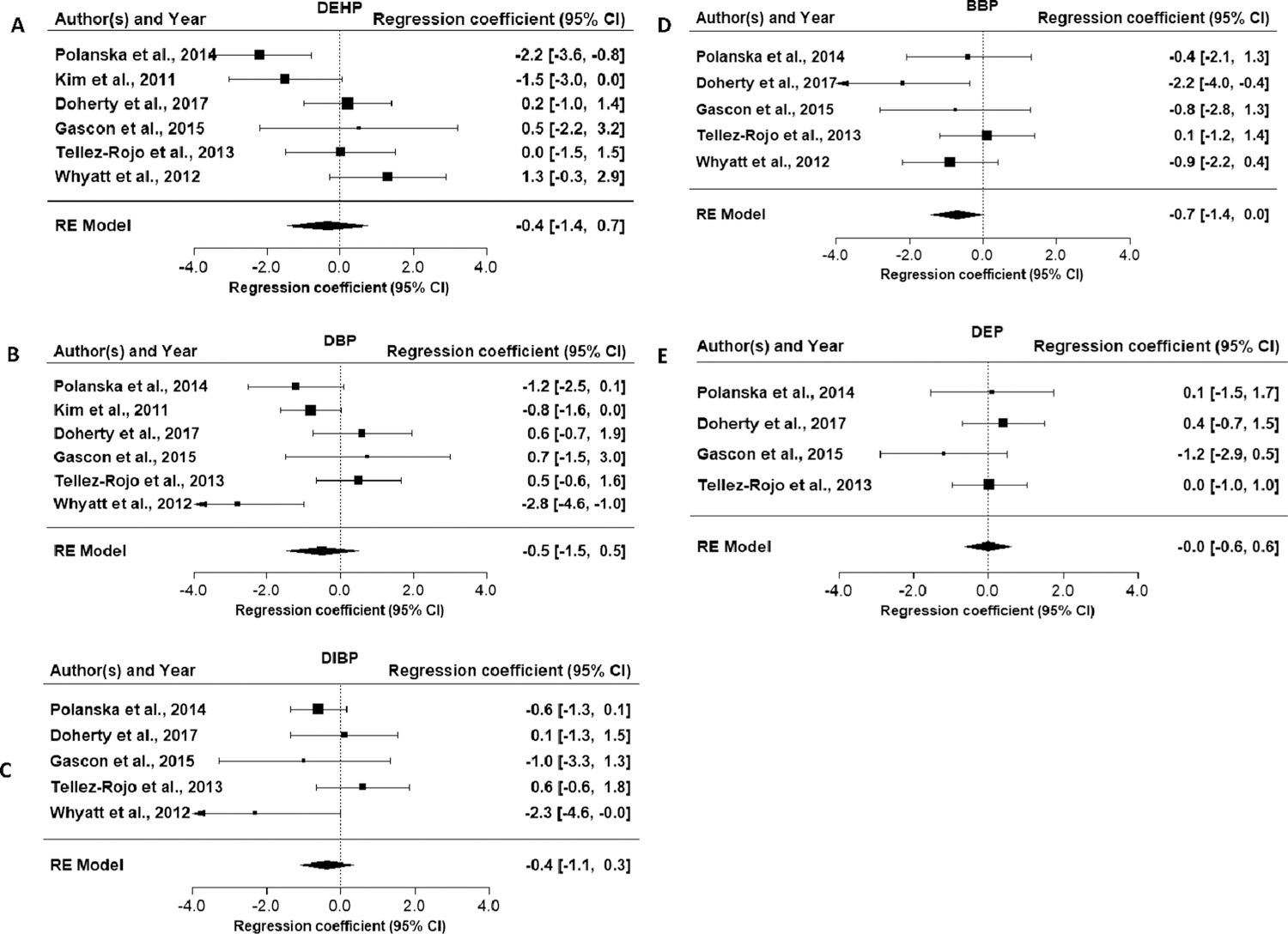
Study evaluation and synthesis methods: Studies of neurodevelopmental effects were evaluated using criteria defined a priori for risk of bias and sensitivity by two reviewers using a domain-based approach. Evidence was synthesized by outcome and phthalate and strength of evidence was summarized using a structured framework. For studies of cognition and motor effects in children ≤4 years old, a random effects meta-analysis was performed.
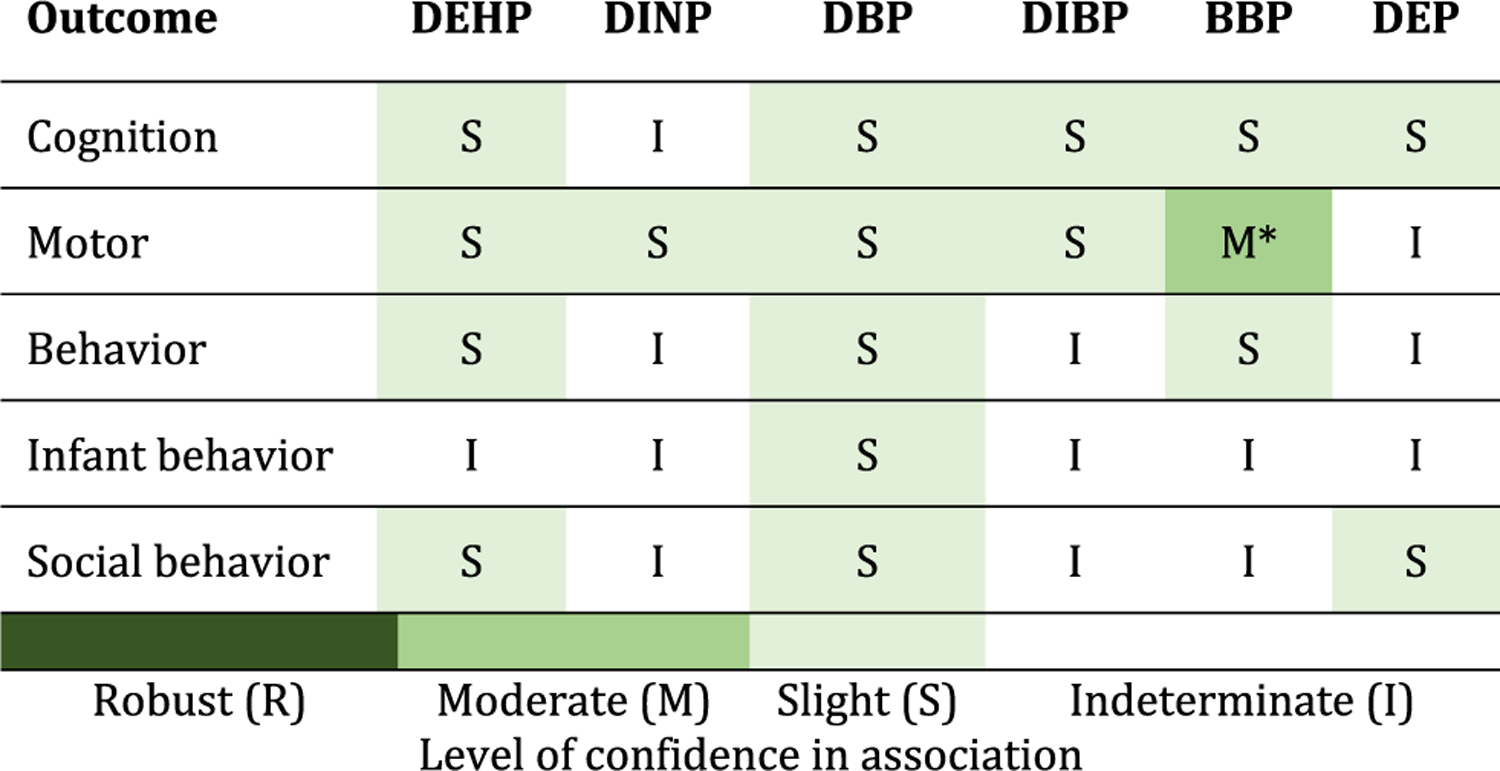
Results: The primary outcomes reviewed here are (number of studies in parentheses): cognition (14), motor effects (9), behavior, including attention deficit hyperactivity disorder (20), infant behavior (3), and social behavior, including autism spectrum disorder (7). For each phthalate/outcome combination, there was slight or indeterminate evidence of an association, with the exception of motor effects for BBP, which had moderate evidence.
Conclusions and implications of key findings: Overall, there is not a clear pattern of association between prenatal phthalate exposures and neurodevelopment. There are several possible reasons for the observed null associations related to exposure misclassification, periods of heightened susceptibility, sex-specific effects, and the effects of phthalate mixtures. Until these limitations are adequately addressed in the epidemiology literature, these findings should not be interpreted as evidence that there are no neurodevelopmental effects of phthalate exposure. The views expressed are those of the authors and do not necessarily represent the views or policies of the U.S. EPA.
Copyright © 2019. Published by Elsevier Ltd.
Figures
References
-
- Arbuckle TE, Davis K, Boylan K, Fisher M, Fu J, 2016b. Bisphenol a, phthalates and lead and learning and behavioral problems in canadian children 6–11 years of age: Chms 2007–2009. Neurotoxicology 54, 89–98. - PubMed
Publication types
MeSH terms
Substances
Grants and funding
LinkOut - more resources
Full Text Sources
Medical
Research Materials
