. 2019 Mar 22:8:321.
doi: 10.12688/f1000research.18445.2. eCollection 2019.

DNA interference by a mesophilic Argonaute protein, CbcAgo

Affiliations

DNA interference by a mesophilic Argonaute protein, CbcAgo

Nieves García-Quintans et al. F1000Res. .

Abstract

Background: The search for putative enzymes that can facilitate gene editing has recently focused its attention on Argonaute proteins from prokaryotes (pAgos). Though they are structural homologues of human Argonaute protein, which uses RNA guides to interfere with RNA targets, pAgos use ssDNA guides to identify and, in many cases, cut a complementary DNA target. Thermophilic pAgos from Thermus thermophilus, Pyrococcus furiosus and Methanocaldococcus jasmanii have been identified and thoroughly studied, but their thermoactivity makes them of little use in mesophilic systems such as mammalian cells. Methods: Here we search for and identify CbcAgo, a prokaryotic Argonaute protein from a mesophilic bacterium, and characterize in vitro its DNA interference activity. Results: CbcAgo efficiently uses 5'P-ssDNA guides as small as 11-mers to cut ssDNA targets, requires divalent cations (preferentially, Mn 2+) and has a maximum activity between 37 and 42 °C, remaining active up to 55 °C. Nicking activity on supercoiled dsDNA was shown. However, no efficient double-strand breaking activity could be demonstrated. Conclusions: CbcAgo can use gDNA guides as small as 11 nucleotides long to cut complementary ssDNA targets at 37ºC, making it a promising starting point for the development of new gene editing tools for mammalian cells.

Keywords: Argonaute; DNA-DNA interference; characterization; gene edition; mesophilic; prokaryotic.


Conflict of interest statement

No competing interests were disclosed.

Figures
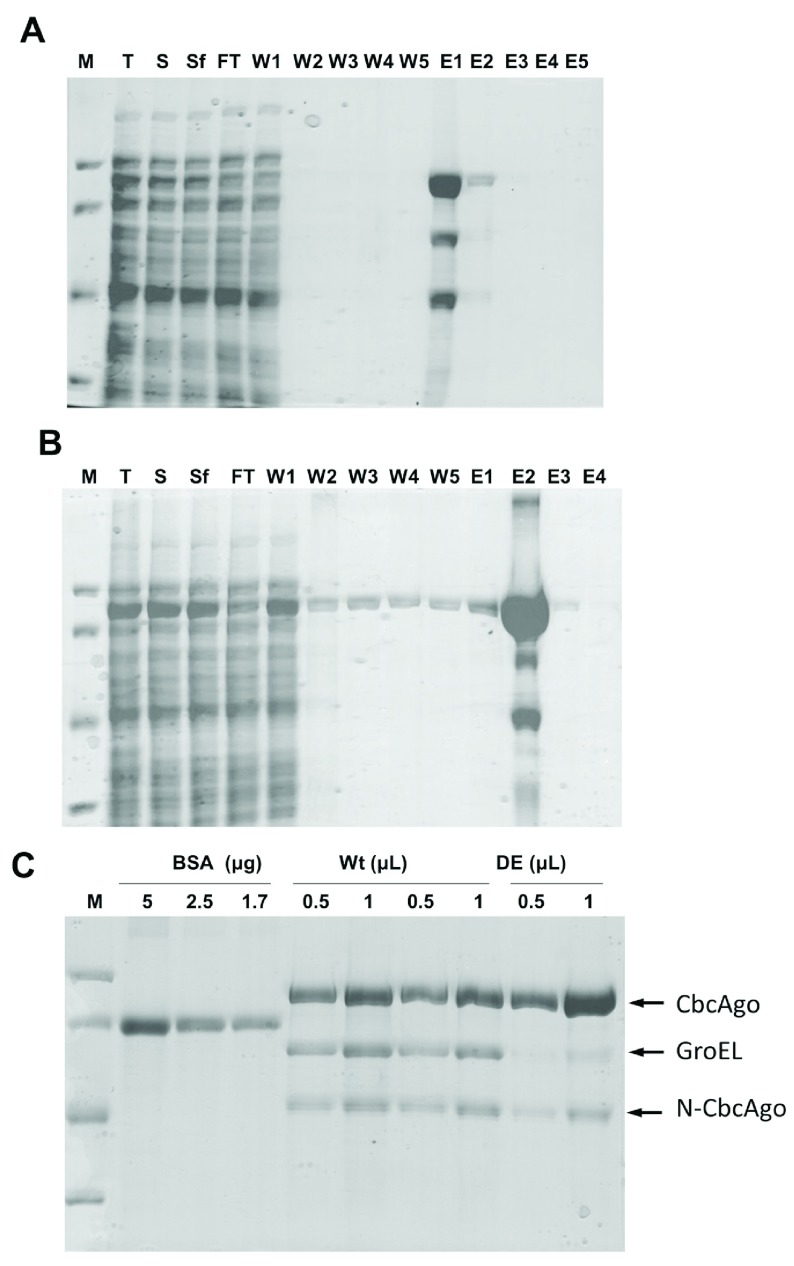
Figure 1.
Figure 1.. Purification of CbcAgo.
Purification by affinity chromatography of ( A) wild-type or ( B) inactive DE mutant. Lanes: M - molecular weight markers from top to bottom of 97.4, 66.2, 45 and 31 kDa; T - total cell protein fraction; S - soluble fraction; Sf - filtered soluble fraction; FT - flow through; W1-5 - fractions obtained upon addition of washing buffer; E1-5 - fractions obtained upon addition of elution buffer. ( C) Protein concentration of two independent preparations of wild-type CbcAgo and a single preparation of the DE mutant, compared with bovine serum albumin as standard (BSA). Protein identification was carried out by proteomic analysis.
Figure 2.
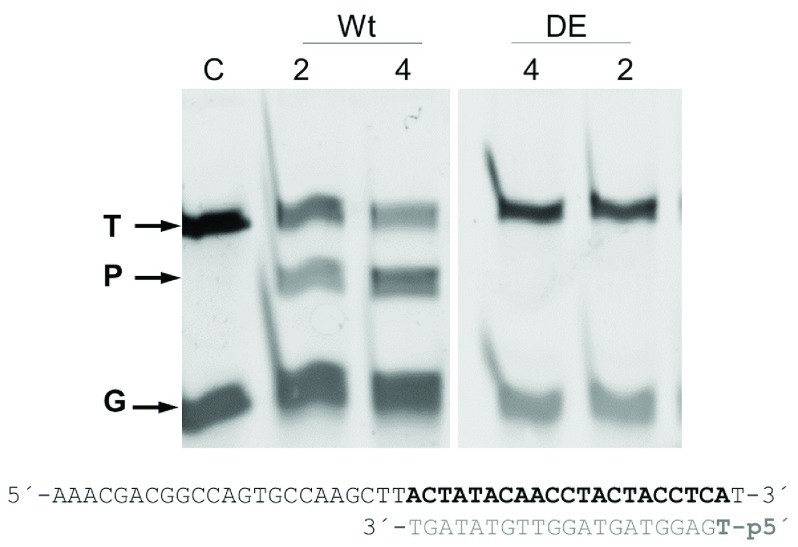
Figure 2.. CbcAgo is active in DNA-DNA interference assays.
The wild-type (Wt) and inactive DE mutant (DE) of the CbcAgo protein were pre-incubated with the indicated 5’ phosphorylated guide DNA for 10 min at 37 °C and further used to cut a complementary 45-nucleotide ssDNA target at the same temperature for 1 h. The reactions were carried out in the presence of 2 or 4 mM MnCl 2; target (T), guide (G), and the major 34-mer product (P) of the reaction were identified in an 18% U-PAGE gel.
Figure 3.
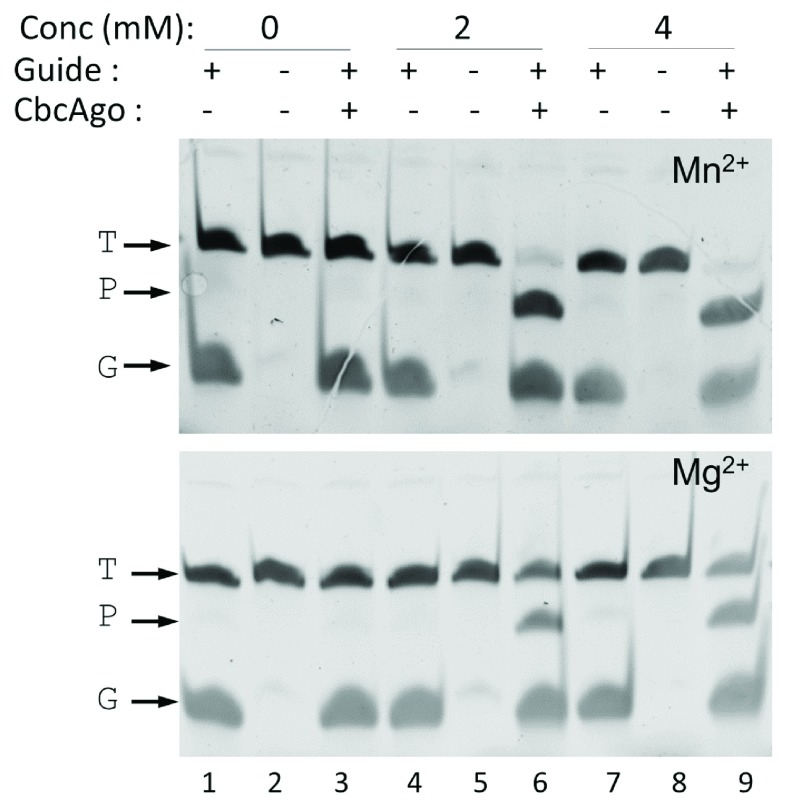
Figure 3.. CbcAgo needs divalent cations for activity.
CbcAgo was loaded with a 21-mer, 5’-phosphorylated gDNA (G) and incubated with a complementary 45-mer ssDNA target (T) in reaction buffer in the absence (0) or presence of 2 or 4 mM Mn 2+ or Mg 2+. The major 34-mer product (P) of the reactions was identified in an 18% U-PAGE gel; target and guide were the same used in Figure 2.
Figure 4.
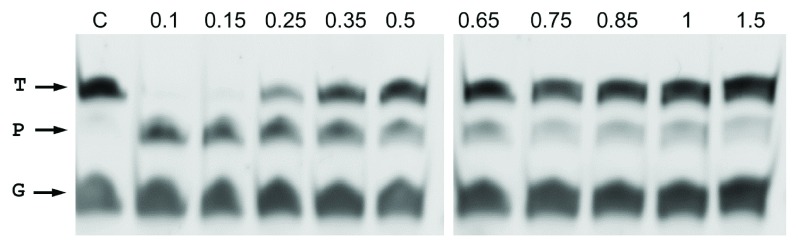
Figure 4.. Salt tolerance of CbcAgo.
Wild-type CbcAgo was preloaded with the same gDNA used in Figure 2 and incubated with the complementary 45-mer ssDNA target in the presence of the indicated concentrations of NaCl (M). Target (T), guide (G), and the major 34-mer product (P) of the reaction were identified in an 18% U-PAGE gel.
Figure 5.
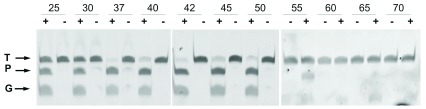
Figure 5.. Effect of temperature on CbcAgo.
Wild-type CbcAgo was preincubated for 10 min at 37 °C with (+) or without (-) gDNA and then used in cleavage assays of an ssDNA target for 1 h at the indicated temperatures. The ssDNA target (T) and gDNA (G) were the same used in Figure 2.
Figure 6.
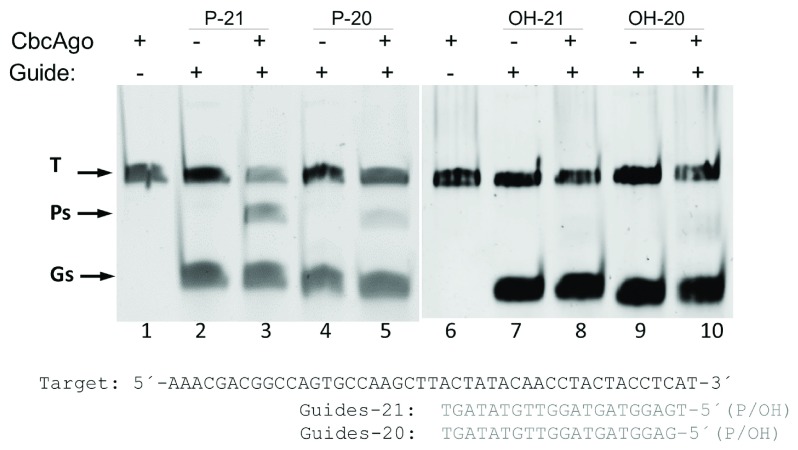
Figure 6.. CbcAgo requires 5´-phosphorylated gDNA.
The indicated 20- and 21-mer 5’phosphorylated (P) or unphosphorylated (OH) gDNAs were preincubated with CbcAgo and used in interference assays against the same complementary target. Presence (+) or absence (-) of CbcAgo or gDNA in the reaction are indicated. The target (T), guide (G) and the major 34-mer product (P) of the reaction were identified using an 18% U-PAGE gel.
Figure 7.
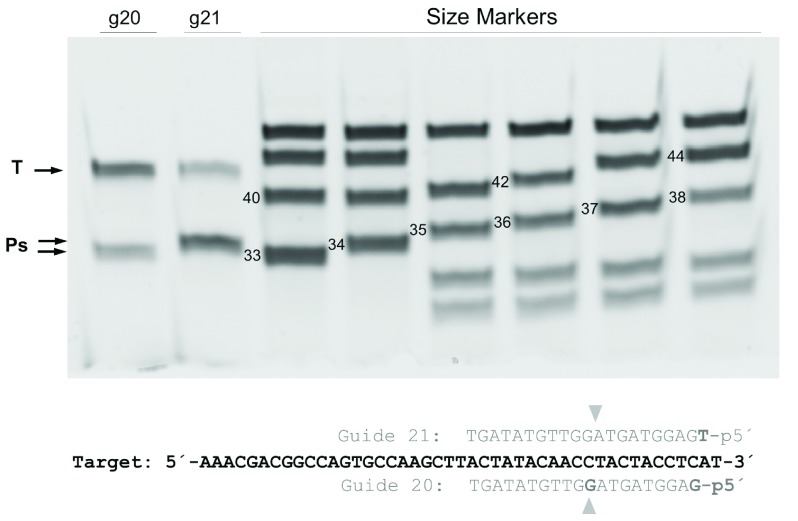
Figure 7.. Assessment of the CbcAgo cleavage site.
CbcAgo was loaded with 5’-phosphorylated 20- or 21-mer gDNA and used in interference cleavage assays against a 45-mer ssDNA target (T). The sizes of the products (P) were compared with ssDNA standards of the indicated sizes, using a 20% U-PAGE gel, leading to the conclusion that the cleavage site was complementary to the 10–11 base position of the gDNA.
Figure 8.
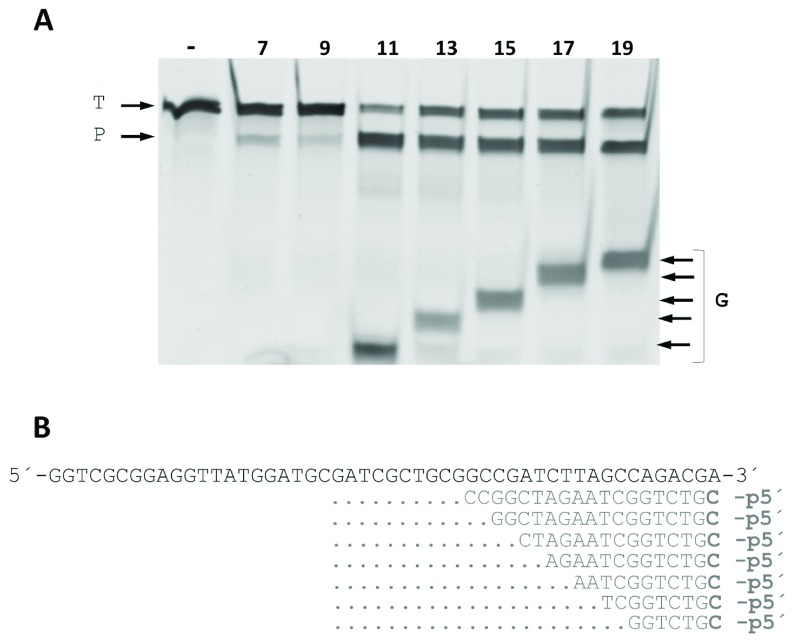
Figure 8.. Minimum size of gDNA used by CbcAgo.
( A) CbcAgo was incubated with 7-, 9-, 11-, 13-, 15-, 17- or 19-mer gDNAs complementary to a ssDNA target and used them in interference cleavage assays. The target (T), guide (G) and major product (P) of the reaction were identified using an 18% U-PAGE gel. ( B) Sequences of the gDNAs and target ssDNA used in ( A).
Figure 9.
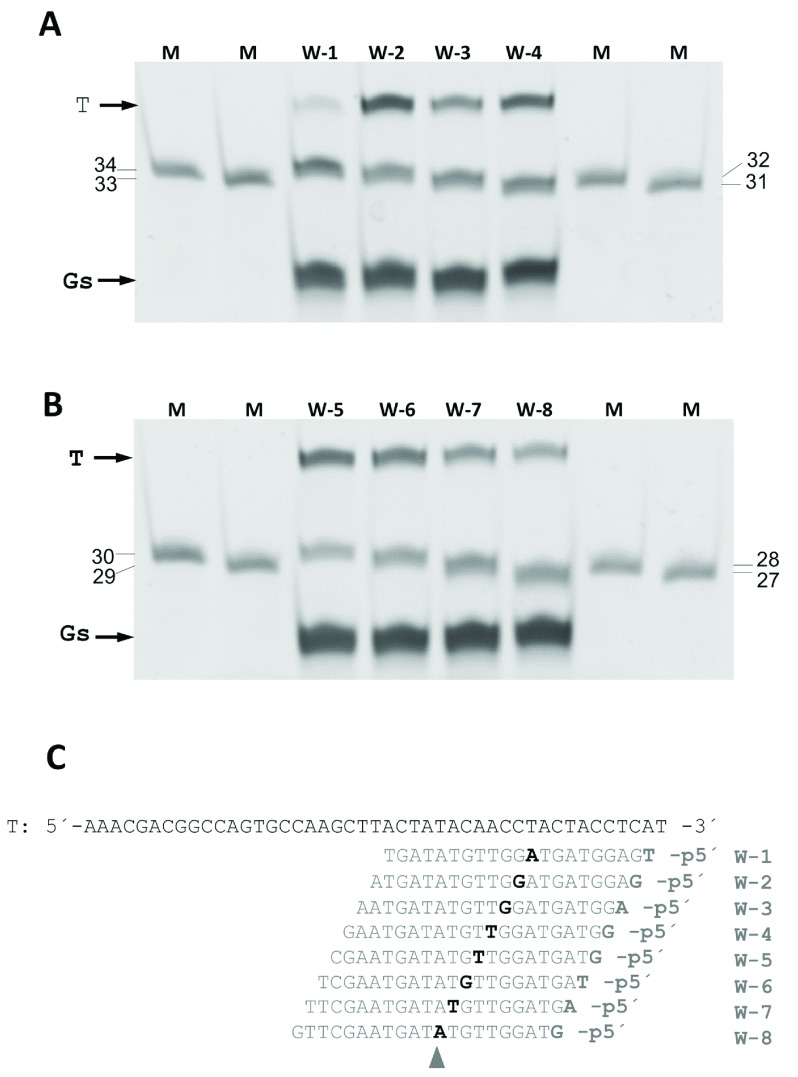
Figure 9.. Selection of the cleavage site by CbcAgo.
CbcAgo was pre-loaded with a collection of 21-mer, 5´-phosphorylated gDNA that paired at positions displaced by a single nucleotide with a 45-mer ssDNA target (T). The products of the reactions were compared using a 20% U-PAGE gel with ssDNA markers of the indicated sizes (mer). ( A) Assays with w1 to w4 gDNA. ( B) Assays with gDNA w-5 to w-8. ( C) Target DNA and gDNA used in A and B. Note that the cutting site was displaced along the target by a single nucleotide, always pairing at position 10–11 of the gDNAs (shaded triangle).
Figure 10.
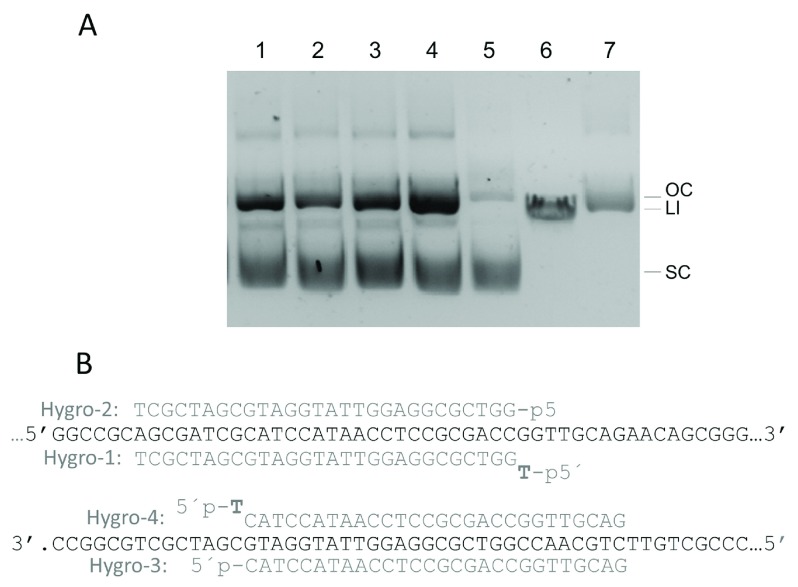
Figure 10.. Effects of CbcAgo on dsDNA.
( A) CbcAgo was pre-loaded for 15 min at 37ºC with the Hygro-1 to 4 guides (lanes 1 to 4) and incubated for 16 hours at the same temperature with plasmid pMH184 that was essentially supercoiled (lane 5, SC). Linear plasmid (LI) and nicked open circle (OC) were run in lanes 6 and 7 respectively. The molar ratio between CbcAgo:guide:target was 3 μM: 6 μM: 0.0074 μM. Reactions were stopped by adding 100 μg/mL of Proteinase K (Promega) and the products separated in agarose gels. ( B) Sequence of the target in plasmid pMH184 paired with the gDNAs used in panel A.

References

    1. Meister G: Argonaute proteins: functional insights and emerging roles. Nat Rev Genet. 2013;14(7):447–459. 10.1038/nrg3462 - DOI - PubMed
    1. Swarts DC, Makarova K, Wang Y, et al. : The evolutionary journey of Argonaute proteins. Nat Struct Mol Biol. 2014;21(9):743–753. 10.1038/nsmb.2879 - DOI - PMC - PubMed
    1. Swarts DC, Jore MM, Westra ER, et al. : DNA-guided DNA interference by a prokaryotic Argonaute. Nature. 2014;507(7491):258–261. 10.1038/nature12971 - DOI - PMC - PubMed
    1. Swarts DC, Hegge JW, Hinojo I, et al. : Argonaute of the archaeon Pyrococcus furiosus is a DNA-guided nuclease that targets cognate DNA. Nucleic Acids Res. 2015;43(10):5120–5129. 10.1093/nar/gkv415 - DOI - PMC - PubMed
    1. Zander A, Willkomm S, Ofer S, et al. : Guide-independent DNA cleavage by archaeal Argonaute from Methanocaldococcus jannaschii. Nat Microbiol. 2017;2:17034. 10.1038/nmicrobiol.2017.34 - DOI - PMC - PubMed

Publication types

MeSH terms