


Review of the environmental prenatal exposome and its relationship to maternal and fetal health
- PMID: 32061676
- PMCID: PMC7442624
- DOI: 10.1016/j.reprotox.2020.02.004
Review of the environmental prenatal exposome and its relationship to maternal and fetal health
Abstract
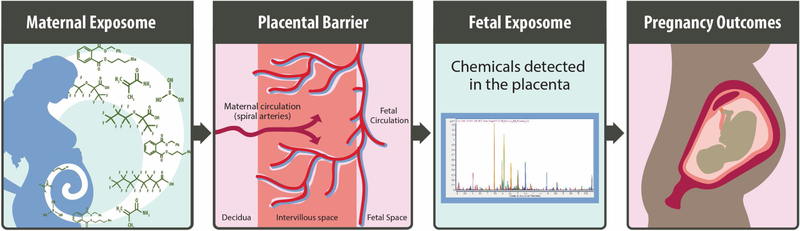
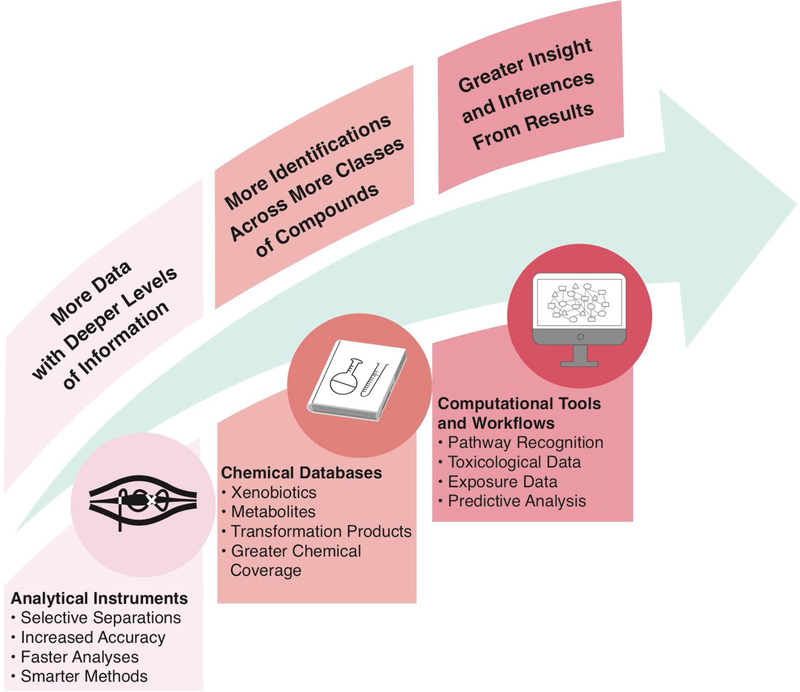
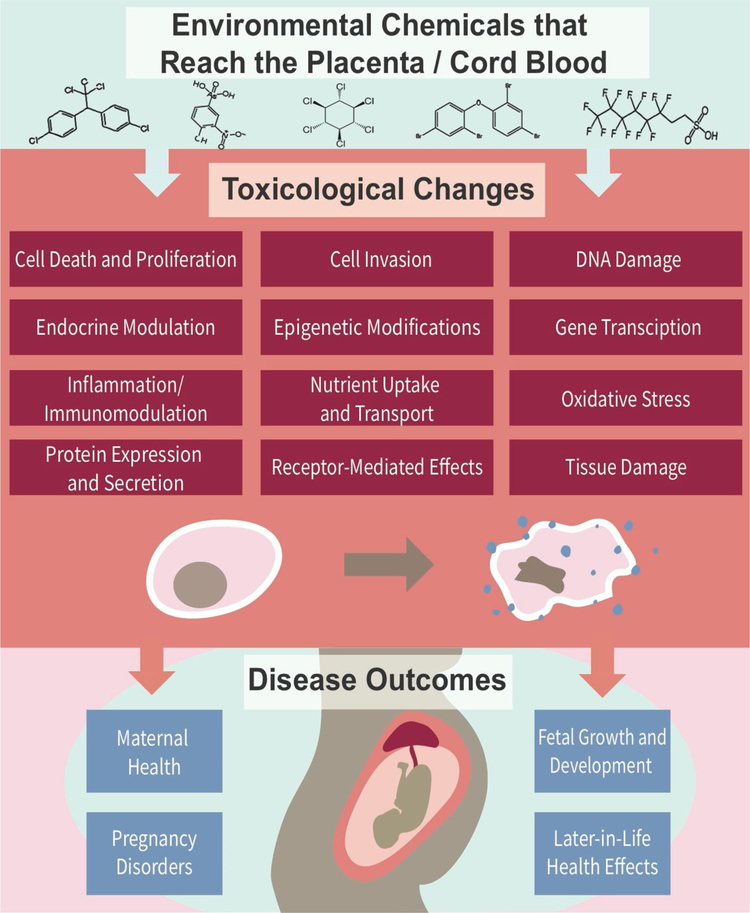
Environmental chemicals comprise a major portion of the human exposome, with some shown to impact the health of susceptible populations, including pregnant women and developing fetuses. The placenta and cord blood serve as important biological windows into the maternal and fetal environments. In this article we review how environmental chemicals (defined here to include man-made chemicals [e.g., flame retardants, pesticides/herbicides, per- and polyfluoroalkyl substances], toxins, metals, and other xenobiotic compounds) contribute to the prenatal exposome and highlight future directions to advance this research field. Our findings from a survey of recent literature indicate the need to better understand the breadth of environmental chemicals that reach the placenta and cord blood, as well as the linkages between prenatal exposures, mechanisms of toxicity, and subsequent health outcomes. Research efforts tailored towards addressing these needs will provide a more comprehensive understanding of how environmental chemicals impact maternal and fetal health.
Keywords: Developmental toxicity; Environment; Exposome; Fetus; Pregnancy.
Copyright © 2020 Elsevier Inc. All rights reserved.
Conflict of interest statement
Declaration of Competing Interest
The authors have no conflict of interest.
Figures
References
Publication types
MeSH terms
Substances
Grants and funding
LinkOut - more resources
Full Text Sources
Medical
