


Laser ablation for pharmaceutical nanoformulations: Multi-drug nanoencapsulation and theranostics for HIV
- PMID: 32061722
- PMCID: PMC7176552
- DOI: 10.1016/j.nano.2020.102172
Laser ablation for pharmaceutical nanoformulations: Multi-drug nanoencapsulation and theranostics for HIV
Abstract
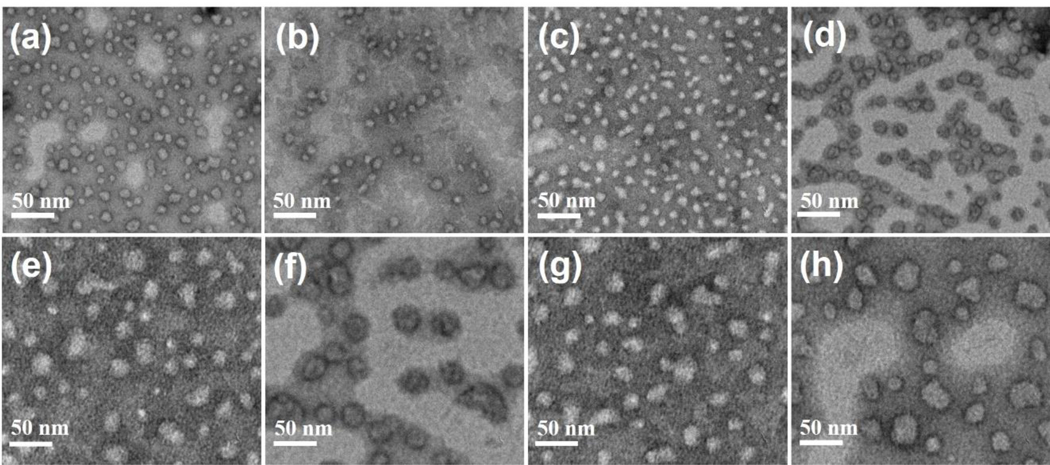
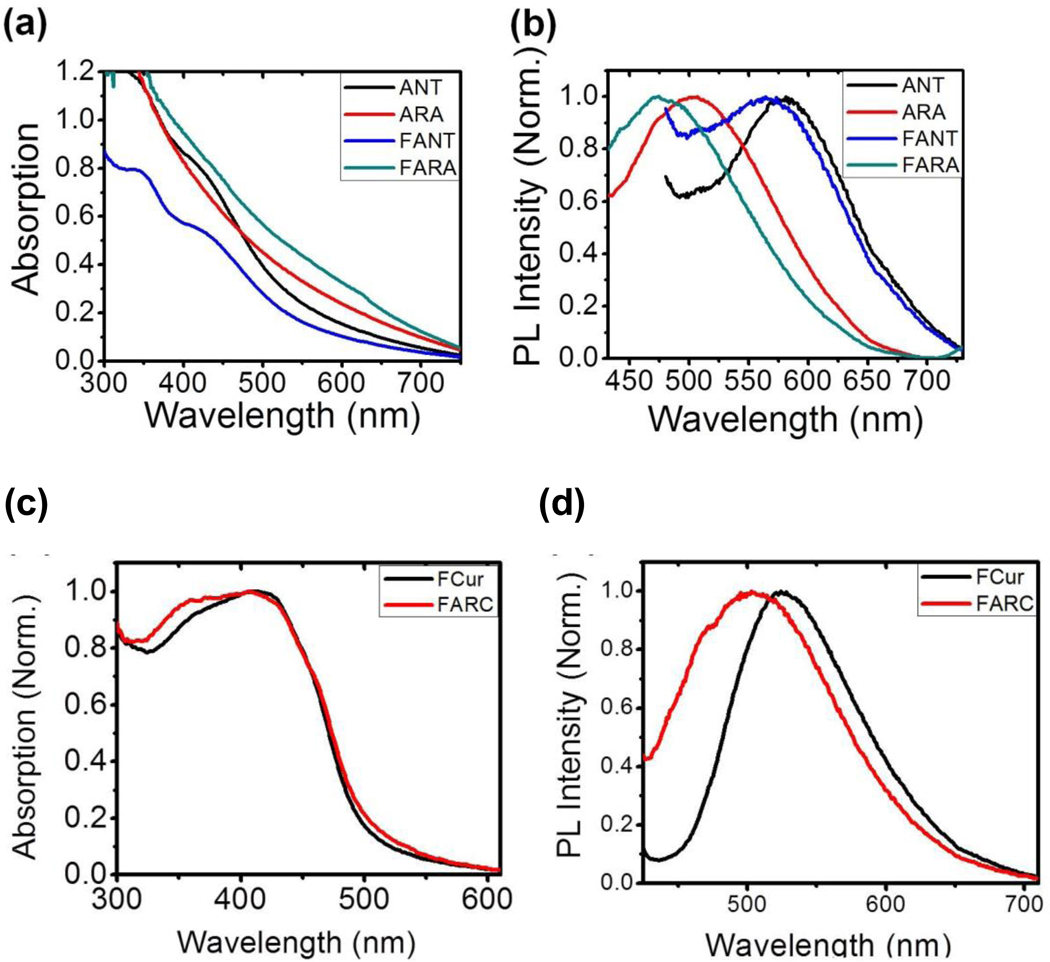
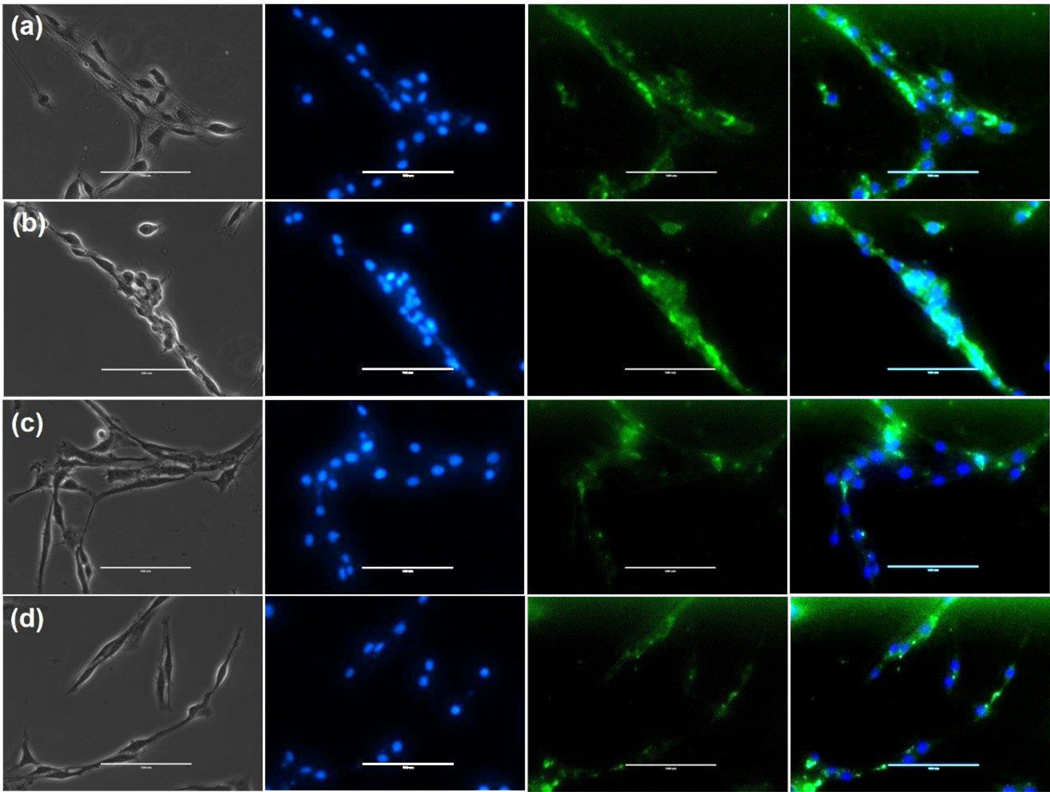
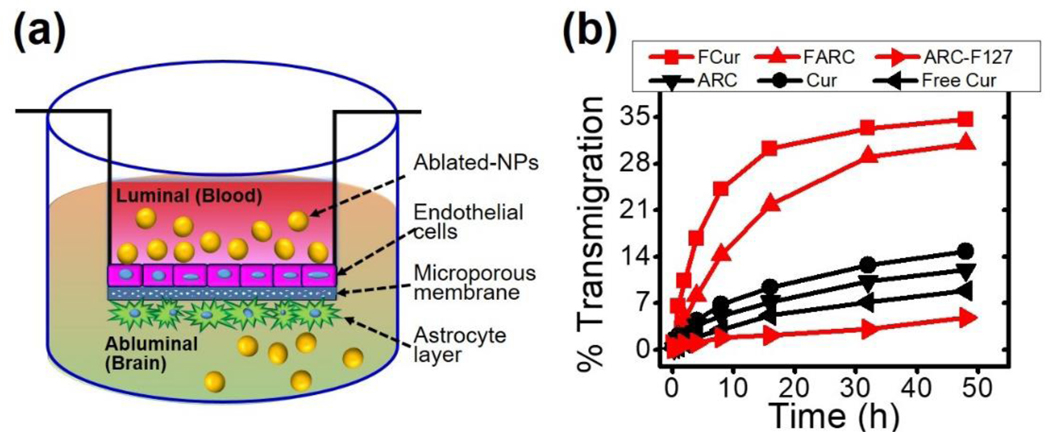
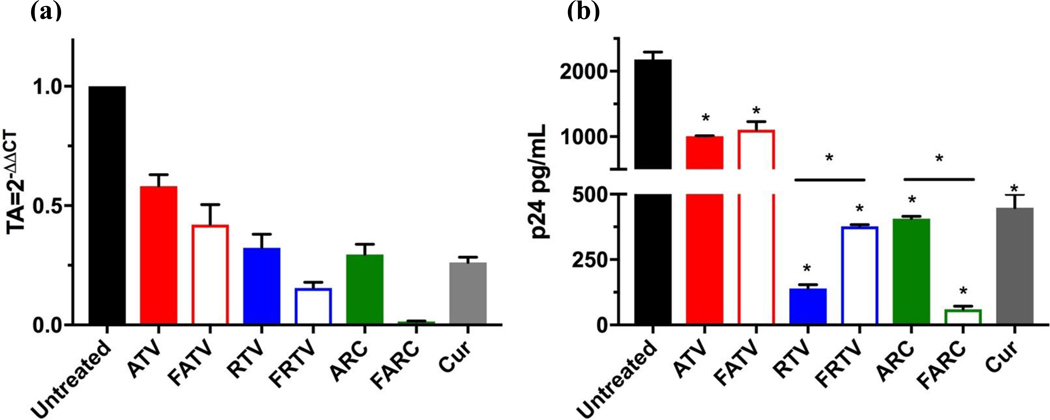
We introduce the use of laser ablation to develop a multi-drug encapsulating theranostic nanoformulation for HIV-1 antiretroviral therapy. Laser ablated nanoformulations of ritonavir, atazanavir, and curcumin, a natural product that has both optical imaging and pharmacologic properties, were produced in an aqueous media containing Pluronic® F127. Cellular uptake was confirmed with the curcumin fluorescence signal localized in the cytoplasm. Formulations produced with F127 had improved water dispersibility, are ultrasmall in size (20-25 nm), exhibit enhanced cellular uptake in microglia, improve blood-brain barrier (BBB) crossing in an in vitro BBB model, and reduce viral p24 by 36 fold compared to formulations made without F127. This work demonstrates that these ultrasmall femtosecond laser-ablated nanoparticles are effective in delivering drugs across the BBB for brain therapy and show promise as an effective method to formulate nanoparticles for brain theranostics, reducing the need for organic solvents during preparation.
Keywords: Antiretroviral therapy; Blood–brain barrier crossing; Laser ablation; Multi-drug ablation; Multi-drug encapsulation.
Copyright © 2020 Elsevier Inc. All rights reserved.
Figures



References
-
- Este JA; Cihlar T, Current status and challenges of antiretroviral research and therapy. Antiviral Res 2010, 85 (1), 25–33. - PubMed
-
- Moreno S; Lopez Aldeguer J; Arribas JR; Domingo P; Iribarren JA; Ribera E; Rivero A; Pulido F; Project HIV, The future of antiretroviral therapy: challenges and needs. J Antimicrob Chemother 2010, 65 (5), 827–35. - PubMed
Publication types
MeSH terms
Substances
Grants and funding
LinkOut - more resources
Full Text Sources
Medical
