


Fat Processing Techniques
- PMID: 32071574
- PMCID: PMC7023966
- DOI: 10.1055/s-0039-3402052
Fat Processing Techniques
Abstract
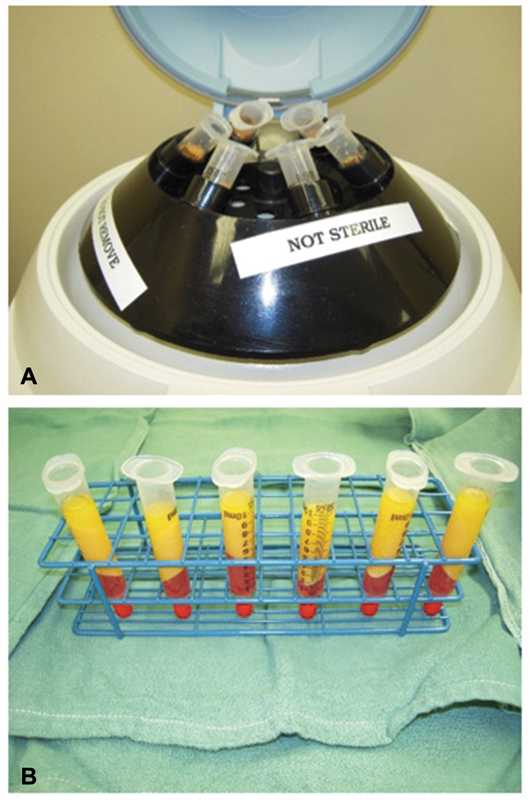
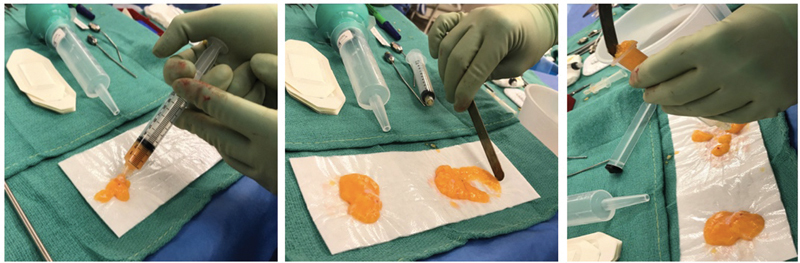
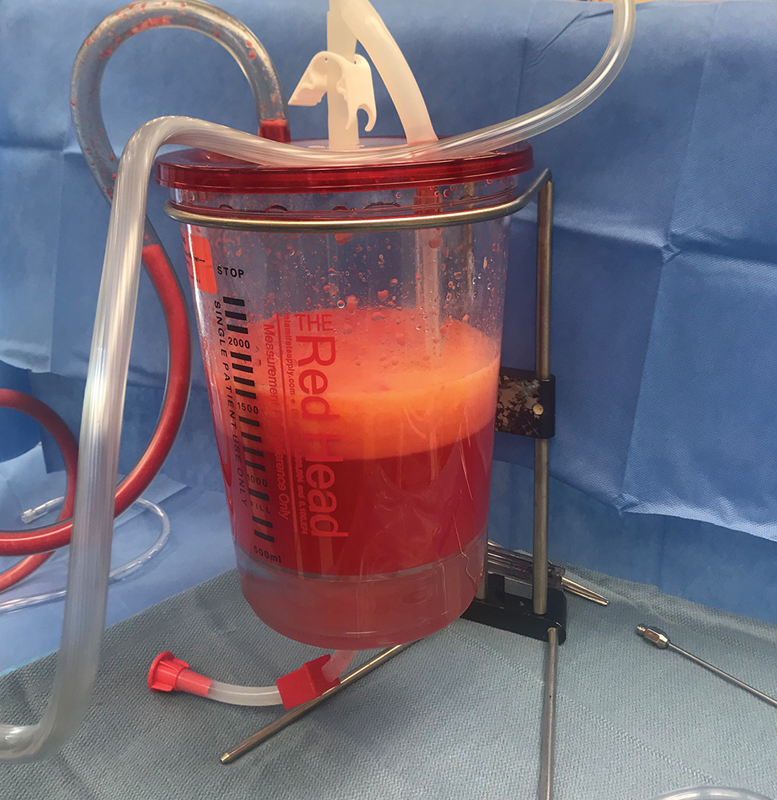
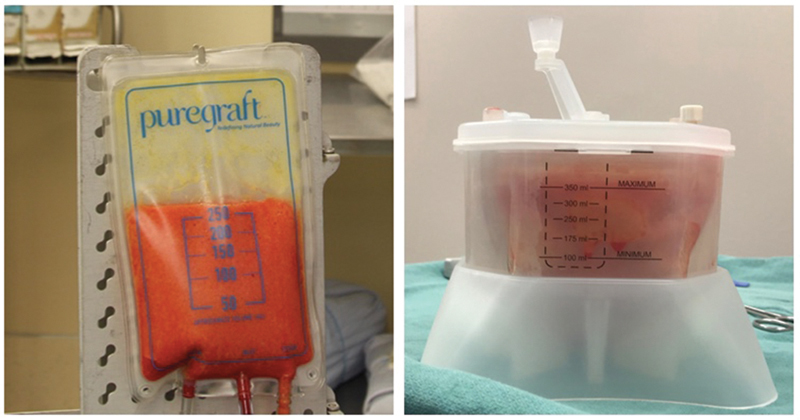
Autologous fat grafting is an aesthetic and reconstructive procedure in which an individual's own fat is harvested and injected into the soft tissues to correct contour and other abnormalities. Fat graft is considered the ideal soft tissue filler for its biocompatibility, lack of immunogenicity, and availability. The entire procedure of harvesting, processing, and transfer of fat graft affects fat graft take and effectiveness of fat grafting. This article will focus on the most common methods of fat graft processing, including centrifugation, cotton gauze rolling, sedimentation, and filtration/washing. The fragility of the harvested adipocytes makes the technique of fat graft processing of utmost importance, as blood and other unnecessary cellular fragments are removed. Each fat graft processing method has its own merits and shortcomings; however, due to a lack of well-defined prospective studies, there is no evidence to support one processing method as superior to another.
Keywords: ASCs; adipose-derived stem cells; autologous fat grafting; centrifugation; fat graft filtration; fat graft processing; lipoaspirate processing; liposuction.
© Thieme Medical Publishers.
Conflict of interest statement
Conflicts of Interest None declared.
Figures
References
-
- Billings E, Jr, May J W., Jr Historical review and present status of free fat graft autotransplantation in plastic and reconstructive surgery. Plast Reconstr Surg. 1989;83(02):368–381. - PubMed
-
- Gir P, Brown S A, Oni G, Kashefi N, Mojallal A, Rohrich R J. Fat grafting: evidence-based review on autologous fat harvesting, processing, reinjection, and storage. Plast Reconstr Surg. 2012;130(01):249–258. - PubMed
-
- Rose J G, Jr, Lucarelli M J, Lemke B N et al. Histologic comparison of autologous fat processing methods. Ophthal Plast Reconstr Surg. 2006;22(03):195–200. - PubMed
Publication types
LinkOut - more resources
Full Text Sources
Medical
