


MyHealthyGut: Findings from a pilot randomized controlled trial on adherence to a gluten-free diet and quality of life among adults with celiac disease or gluten intolerance
- PMID: 32071731
- PMCID: PMC6997956
- DOI: 10.1177/2055207620903627
MyHealthyGut: Findings from a pilot randomized controlled trial on adherence to a gluten-free diet and quality of life among adults with celiac disease or gluten intolerance
Abstract
Aims: The purpose of this study was to assess the effectiveness of a smartphone app (MyHealthyGut) in helping adults self-manage celiac disease or gluten intolerance and improve their gut health.
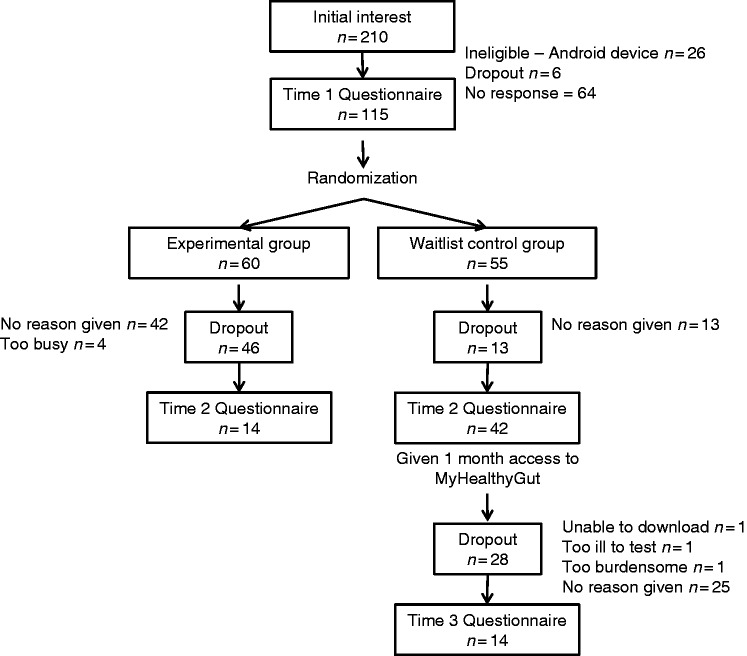
Methods: Adults diagnosed with celiac disease or gluten intolerance (N = 115) were randomized into two groups: experimental group 1 (had access to the app for a one-month period) or wait list control (WLC). After one month, WLC participants were given one-month access to the app (experimental group 2). An online questionnaire was administered to assess (a) user satisfaction with the app and (b) changes in the following patient-reported outcomes: adherence to a gluten-free diet, quality of life (QoL), self-regulatory efficacy, and feelings of depression and anxiety. Generalized estimating equations were used to assess changes in the outcome variables over time between the groups.
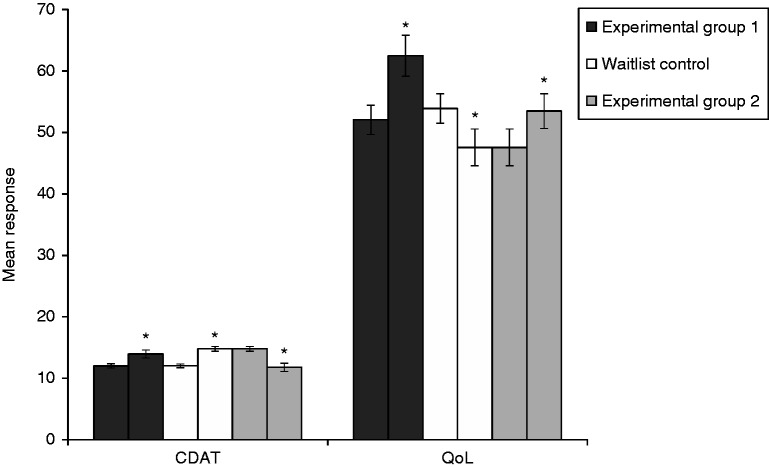
Results: Participants reported high levels of app usability, were satisfied with features of the app, and felt that the app was best suited for people newly diagnosed with celiac disease. Participants in the experimental groups reported improvements in adherence, gastrointestinal symptoms (experimental group 1 only), QoL, self-regulatory efficacy (experimental group 2 only), anxiety (experimental group 1 only), and depression (experimental group 2 only). Experimental group 1 and the WLC group reported significantly worse adherence after using the app based on the Celiac Dietary Adherence Test, which was in contrast to the accidental and purposeful measures of gluten consumption and symptoms for experimental group 1 but consistent with reports of accidental and purposeful gluten consumption and symptoms for the WLC group.
Conclusions: Based on feedback from the participants, the app may be best suited for individuals newly diagnosed or struggling with celiac disease or gluten intolerance. After using the MyHealthyGut app for a one-month period, adults with celiac disease reported improvements in psychosocial outcomes. Further iterations of the app are needed to meet the needs of this population better. MyHealthyGut is the first evidence-based app designed to help people with celiac disease or gluten intolerance.
Keywords: Theory-based app; celiac disease; gluten intolerance; gut health; mHealth; self-regulation.
© The Author(s) 2020.
Figures
References
-
- World Health Organization. mHealth: New horizons for health through mobile technologies: based on the findings of the secondary global survey on eHealth. Global Observatory for eHealth Series – Volume 3 Geneva: World Health Organization, 2011.
-
- World Health Organization. Noncommunicable diseases country profiles 2014. Geneva: World Health Organization, 2014.
-
- Merck SF. Chronic disease and mobile technology: an innovative tool for clinicians. Nurs Forum 2017; 52: 298–305. - PubMed
LinkOut - more resources
Full Text Sources
