


Oncolytic Viruses and the Immune System: The Dynamic Duo
- PMID: 32071927
- PMCID: PMC7015832
- DOI: 10.1016/j.omtm.2020.01.001
Oncolytic Viruses and the Immune System: The Dynamic Duo
Abstract
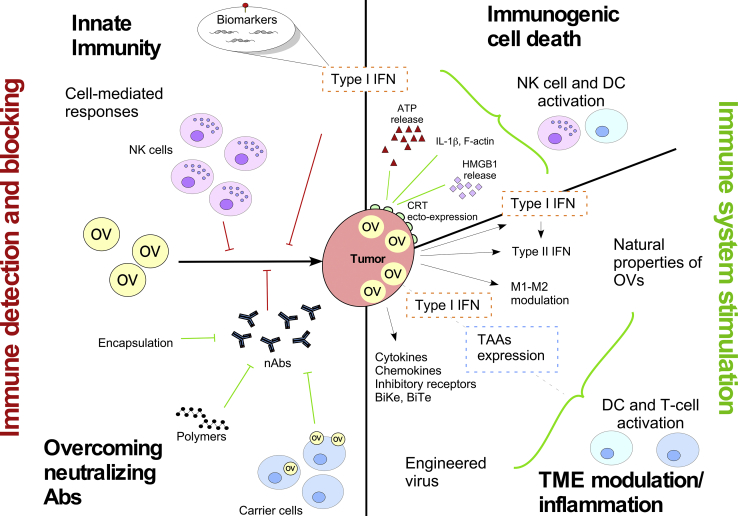
Oncolytic viruses (OVs) constitute a new and promising immunotherapeutic approach toward cancer treatment. This therapy takes advantage of the natural propensity of most tumor cells to be infected by specific OVs. Besides the direct killing potential (oncolysis), what makes OV administration attractive for the present cancer immunotherapeutic scenario is the capacity to induce two new overlapping, but distinct, immunities: anti-tumoral and anti-viral. OV infection and oncolysis naturally elicit both innate and adaptive immune responses (required for long-term anti-tumoral immunity); at the same time, the viral infection prompts an anti-viral response. In this review, we discuss the dynamic interaction between OVs and the triggered responses of the immune system. The anti-OV immunological events that lead to viral clearance and the strategies to deal with such potential loss of the therapeutic virus are discussed. Additionally, we review the immune stimulatory actions induced by OVs through different inherent strategies, such as modulation of the tumor microenvironment, the role of immunogenic cell death, and the consequences of genetically modifying OVs by arming them with therapeutic transgenes. An understanding of the balance between the OV-induced anti-tumoral versus anti-viral immunities will provide insight when choosing the appropriate virotherapy for any specific cancer.
© 2020 The Authors.
Figures
References
Publication types
LinkOut - more resources
Full Text Sources
Other Literature Sources
