


Chrononutrition in the management of diabetes
- PMID: 32075959
- PMCID: PMC7031264
- DOI: 10.1038/s41387-020-0109-6
Chrononutrition in the management of diabetes
Abstract
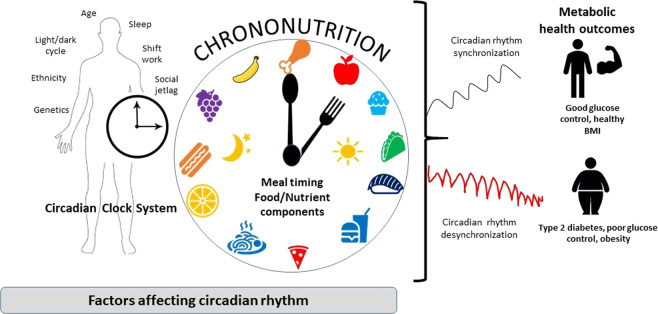
Circadian rhythms are 24-h cycles regulated by endogeneous molecular oscillators called the circadian clock. The effects of diet on circadian rhythmicity clearly involves a relationship between factors such as meal timings and nutrients, known as chrononutrition. Chrononutrition is influenced by an individual's "chronotype", whereby "evening chronotypes" or also termed "later chronotype" who are biologically driven to consume foods later in the day. Research in this area has suggested that time of day is indicative of having an influence on the postprandial glucose response to a meal, therefore having a major effect on type 2 diabetes. Cross-sectional and experimental studies have shown the benefits of consuming meals early in the day than in the evening on postprandial glycaemia. Modifying the macronutrient composition of night meals, by increasing protein and fat content, has shown to be a simple strategy to improve postprandial glycaemia. Low glycaemic index (GI) foods eaten in the morning improves glycaemic response to a greater effect than when consumed at night. Timing of fat and protein (including amino acids) co-ingested with carbohydrate foods, such as bread and rice, can reduce glycaemic response. The order of food presentation also has considerable potential in reducing postprandial blood glucose (consuming vegetables first, followed by meat and then lastly rice). These practical recommendations could be considered as strategies to improve glycaemic control, rather than focusing on the nutritional value of a meal alone, to optimize dietary patterns of diabetics. It is necessary to further elucidate this fascinating area of research to understand the circadian system and its implications on nutrition that may ultimately reduce the burden of type 2 diabetes.
Conflict of interest statement
The authors declare that they have no conflict of interest.
Figures
References
-
- Zheng Y, Ley SH, Hu FB. Global aetiology and epidemiology of type 2 diabetes mellitus and its complications. Nat. Rev. Endocrinol. 2017;14:88. - PubMed
-
- Herman, W. H. in Diabetes Mellitus in Developing Countries and Underserved Communities (ed. Dagogo-Jack, S.) 1–5 (Springer International Publishing, Cham, 2017).
-
- Kurose T, Hyo T, Yabe D, Seino Y. The role of chronobiology and circadian rhythms in type 2 diabetes mellitus: implications for management of diabetes. Chronophysiology Ther. 2014;4:41–49.
-
- Albrecht U, Eichele G. The mammalian circadian clock. Curr. Opin. Genet. Dev. 2003;13:271–277. - PubMed
Publication types
MeSH terms
Substances
LinkOut - more resources
Full Text Sources
Medical
