


Therapeutic Effects of Atranorin towards the Proliferation of Babesia and Theileria Parasites
- PMID: 32079149
- PMCID: PMC7167990
- DOI: 10.3390/pathogens9020127
Therapeutic Effects of Atranorin towards the Proliferation of Babesia and Theileria Parasites
Abstract
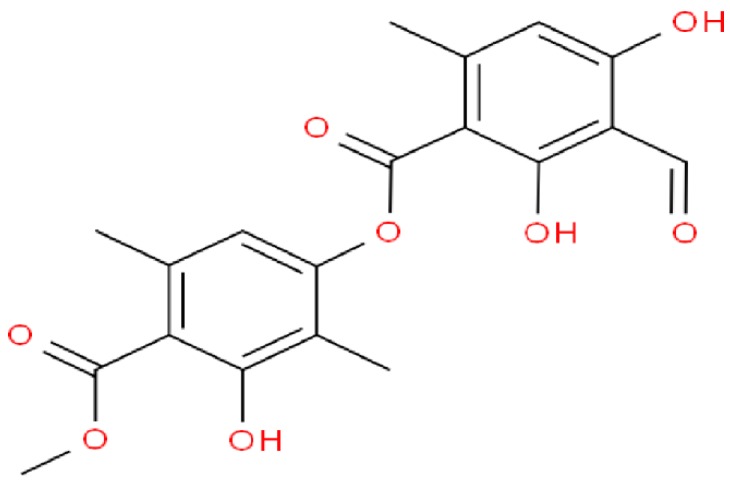
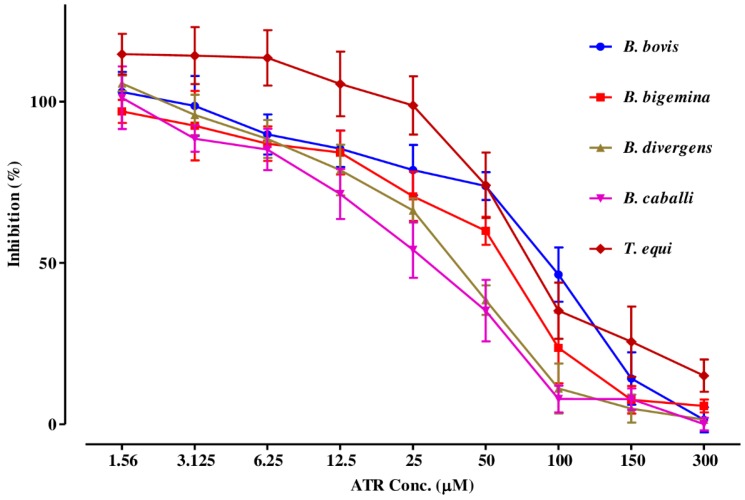
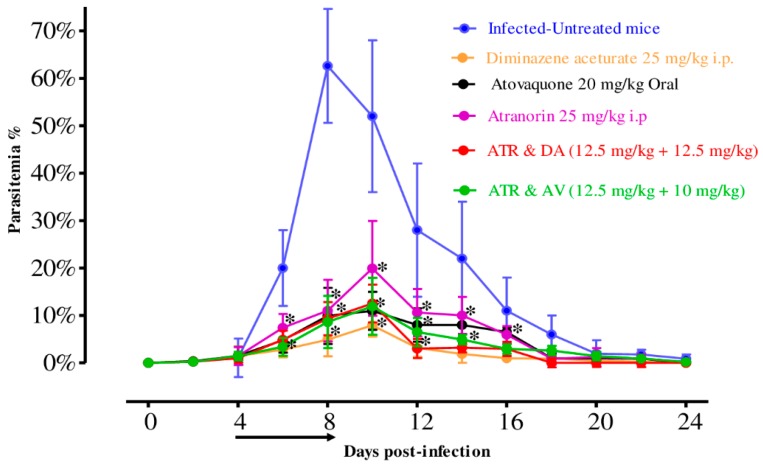
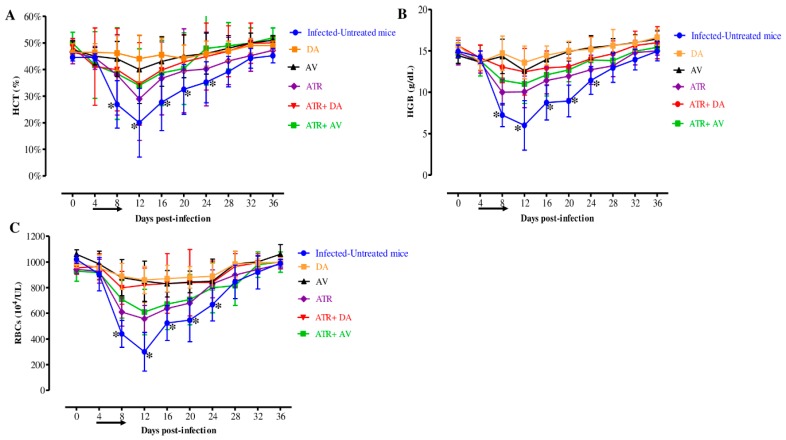
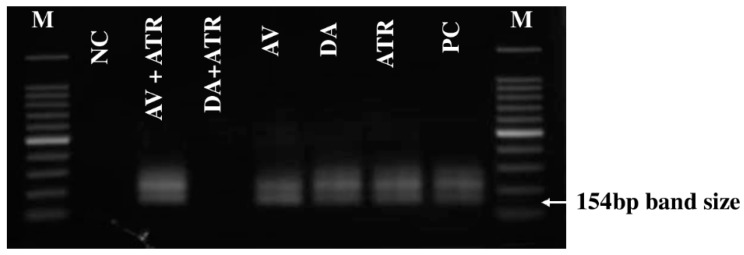
Atranorin (ATR), is a compound with multidirectional biological activity under different in vitro and in vivo conditions and it is effective as an antibacterial, antiviral, antiprotozoal and anti-inflammatory agent. In the current study, the in vitro as well as in vivo chemotherapeutic effect of ATR as well as its combined efficacy with the existing antibabesial drugs (diminazene aceturate (DA), atovaquone (AV) and clofazimine (CF)) were investigated on six species of piroplasm parasites. ATR suppressed B. bovis, B. bigemina, B. divergens, B. caballi and T. equi multiplication in vitro with IC50 values of 98.4 ± 4.2, 64.5 ± 3.9, 45.2 ± 5.9, 46.6 ± 2.5, and 71.3 ± 2.7 µM, respectively. The CCK test was used to examine ATR's cytotoxicity and adverse effects on different animal and human cell lines, the main hosts of piroplasm parasites and it showed that ATR affected human foreskin fibroblasts (HFF), mouse embryonic fibroblast (NIH/3T3) and Madin-Darby Bovine Kidney (MDBK) cell viability in a dose-related effect with a moderate selective index. The combined efficacy of ATR with DA, CF, and AV exhibited a synergistic and additive efficacy toward all tested species. In the in vivo experiment, ATR prohibited B. microti multiplication in mice by 68.17%. The ATR-DA and ATR-AV combination chemotherapies were more potent than ATR monotherapy. These results indicate the prospects of ATR as a drug candidate for piroplasmosis treatment.
Keywords: Babesia sp.; Theileria sp.; atranorin; chemoprophylactic agents; drug discovery; piroplasmosis control.
Conflict of interest statement
The authors declare no conflict of interest.
Figures
References
-
- Rajapakshage B.K.W., Yamasaki M., Hwang S.-J., Sasaki N., Murakami M., Tamura Y., Lim S.Y., Nakamura K., Ohta H., Takiguchi M. Involvement of mitochondrial genes of Babesia gibsoni in resistance to diminazene aceturate. J. Veter. Med. Sci. 2012;74:1139–1148. doi: 10.1292/jvms.12-0056. - DOI - PubMed
-
- A Hines S., Ramsay J.D., Kappmeyer L.S., Lau A.O., Ojo K.K., Van Voorhis W.C., Knowles D.P., Mealey R.H. Theileria equi isolates vary in susceptibility to imidocarb dipropionate but demonstrate uniform in vitro susceptibility to a bumped kinase inhibitor. Parasites Vectors. 2015;8:33. doi: 10.1186/s13071-014-0611-6. - DOI - PMC - PubMed
Grants and funding
LinkOut - more resources
Full Text Sources
Miscellaneous
