


Outcome of Critically Ill Patients With Influenza Infection: A Retrospective Study
- PMID: 32082048
- PMCID: PMC7005979
- DOI: 10.1177/1178633720904081
Outcome of Critically Ill Patients With Influenza Infection: A Retrospective Study
Abstract
Background: Influenza causes significant morbidity and mortality in adults, and numerous patients require intensive care unit (ICU) admission. Acute respiratory distress syndrome (ARDS) is clearly described in this context, but other clinical presentations exist that need to be assessed for incidence and outcome. The primary goal of this study was to describe the characteristics of patients admitted in ICU for influenza, their clinical presentation, and the 3-month mortality rate. The second objective was to search for 3-month mortality risk factors.
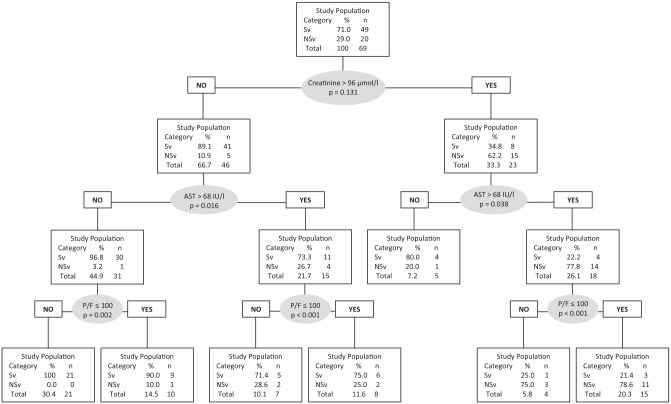
Methods: This is a retrospective study including all patients admitted to 3 ICUs due to influenza-related disease between October 2013 and June 2016, which assesses the 3-month mortality rate. We compared clinical presentation, biological data, and outcome at 3 months between survivors and non-survivors. We created a predicting 3-month mortality model with Classification and Regression Tree analysis.
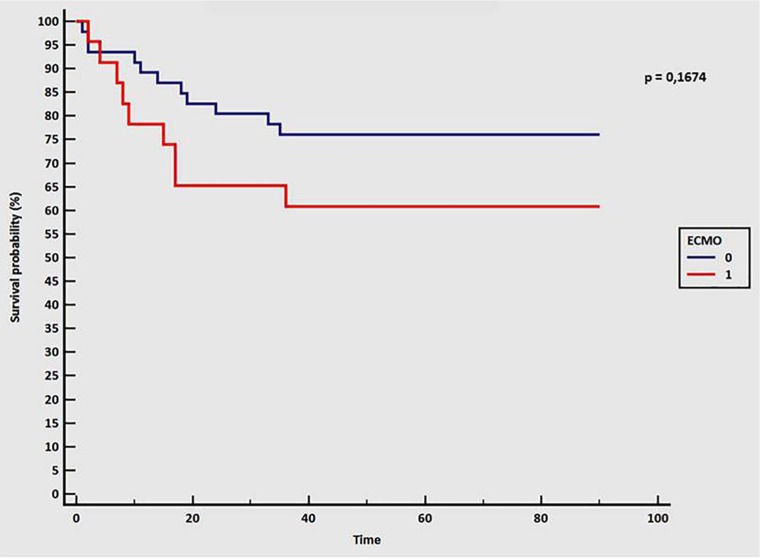
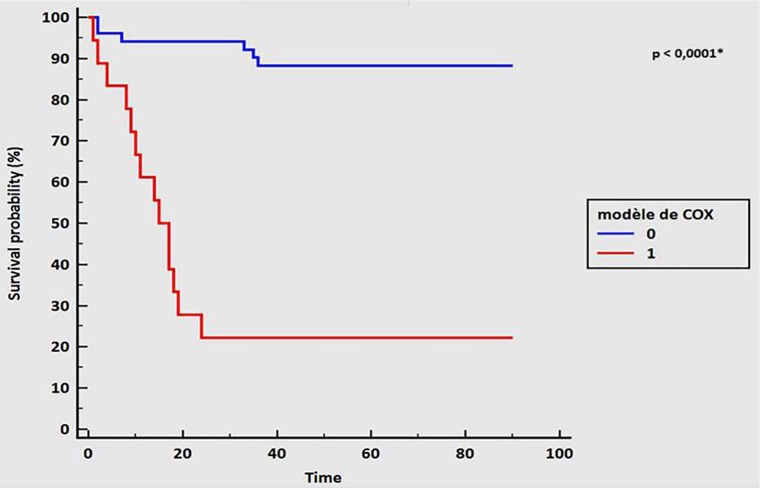
Results: Sixty-nine patients were included, 50 patients (72.5%) for ARDS, 5 (7.2%) for myocarditis, and 14 (20.3%) for acute respiratory failure without ARDS criteria. Non-typed influenza A was found in 30 cases (43.5%), influenza A H1N1 in 18 (26.1%), H3N2 in 3 (4.3%), and influenza B in 18 cases (27.5%). The 3-month mortality rate was 29% (n = 20). Extracorporeal membrane oxygenation (ECMO) was implanted in 23 patients, without any significant increase in mortality (39% vs 24% without ECMO, P = .19). A creatinine serum superior to 96 μmol/L, an aspartate aminotransferase level superior to 68 UI/L, and a Pao2/Fio2 ration below 110 were associated with 3-month mortality in our predictive mortality model.
Conclusion: Influenza in ICUs may have several clinical presentations. The mortality rate is high, but ECMO may be an effective rescue therapy.
Keywords: ARDS; ECMO; ICU; Influenza; acute respiratory failure; myocarditis.
© The Author(s) 2020.
Conflict of interest statement
Declaration of conflicting interest:The author(s) declared no potential conflicts of interest with respect to the research, authorship, and/or publication of this article.
Figures
References
LinkOut - more resources
Full Text Sources
