


Hysteroscopic management of retained products of conception: A single center observational study
- PMID: 32082527
- PMCID: PMC7020944
Hysteroscopic management of retained products of conception: A single center observational study
Abstract
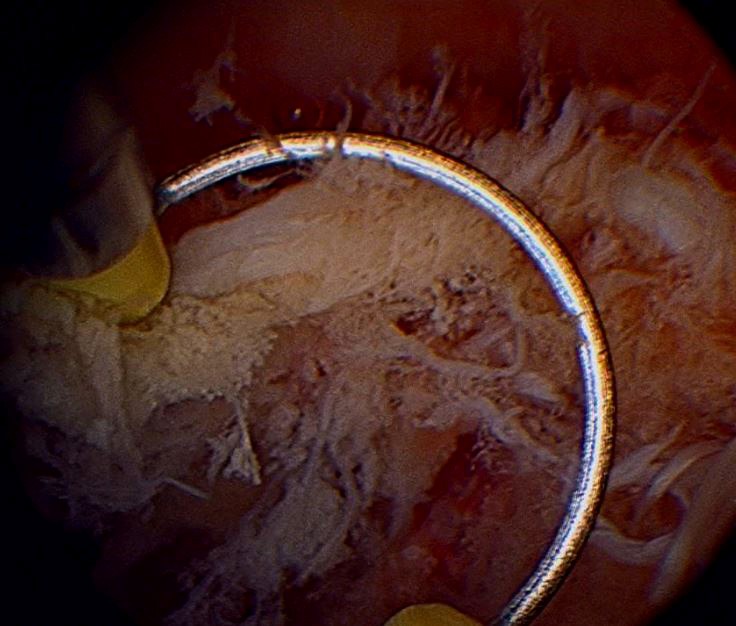
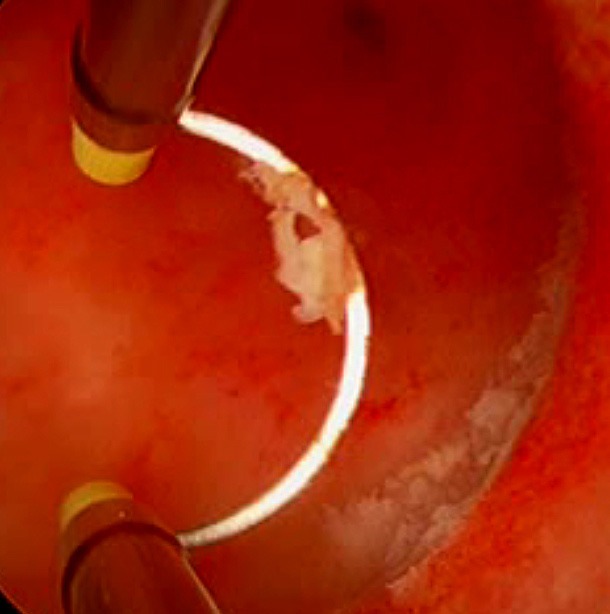
Background: Retained products of conception (RPOC) are defined as the presence of tissue inside the uterine cavity after delivery or termination of a pregnancy. Operative hysteroscopy is associated with increased surgical success and decreased postoperative formation of intrauterine adhesions. The aim of this study is to report our experience in hysteroscopic management of RPOC.
Methods: A retrospective chart review identified patients who underwent hysteroscopic removal of retained products of conception at a single center (n=45). Basic demographic data, surgical findings and applied technique were reviewed. Chi Square and independent samples t-tests were performed when appropriate. A significance level of p<0.05 was accounted.
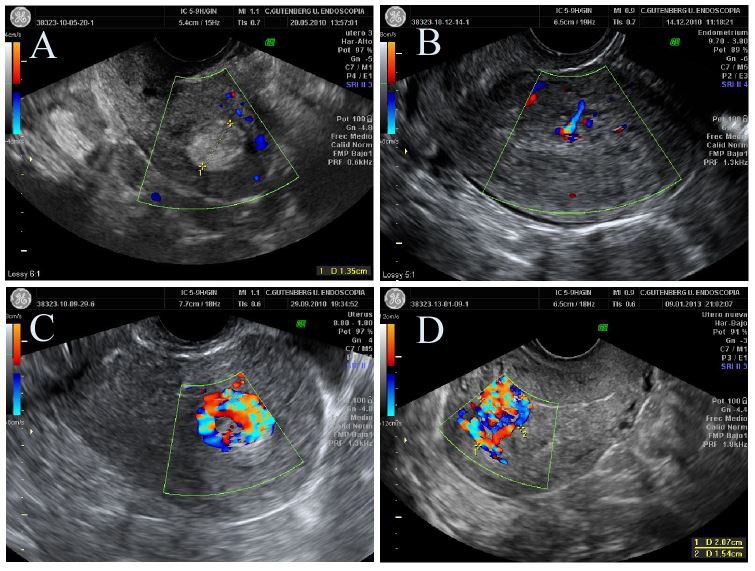
Results: Of all cases included, 64% were the result of a spontaneous or elective abortion and 47% were from patients who had failed previous treatment. Previous medical or surgical treatment was observed in 37.9% of patients labeled as type 0-1 versus 62.5% of type 2-3 (p=0.1138). The timing between the end of the preceding pregnancy and hysteroscopic removal was in average 2.62 months in type 0-1 compared to 1.7 months in type 2-3 (p=0.1068). All patients who were classified as type 2-3 required the use of monopolar energy during the surgery, compared to zero patients who were classified as type 0-1 (p < 0.0001).
Conclusion: Operative hysteroscopy remains a safe and highly effective option for the management of RPOC and should be the preferred method compared to traditional dilatation and suction curettage.
Keywords: Doppler Ultrasound; Gutenberg Classification; Hysteroscopy; Retained Products of Conception.
Copyright © 2019 Facts, Views & Vision.
Figures
References
-
- Durfee SM, Frates MC, Luong A, et al. The sonographic and color Doppler features of retained products of conception. J Ultrasound Med. 2005;24(9):1181–1186. - PubMed
-
- Dyer I, Bradburn DM. An inquiry into the etiology of placental polyps. Am J Obstet Gynecol. 1971;109(6):858–867. - PubMed
-
- Goldenberg M, Schiff E, Achiron R, et al. Managing residual trophoblastic tissue. Hysteroscopy for directing curettage. J Reprod Med. 1997;42(1):26–28. - PubMed
-
- Hakim-Elahi E, Tovell HM, Burnhill MS. Complications of first-trimester abortion: a report of 170,000 cases. Obstet Gynecol. 1990;76(1):129–135. - PubMed
-
- Hooker AB, Aydin H, Brolmann HA, et al. Long-term complications and reproductive outcome after the management of retained products of conception: a systematic review. Fertil Steril. 2016;105(1):156–164.:e151. - PubMed
LinkOut - more resources
Full Text Sources