


Septic shock following hysteroscopy - A case report
- PMID: 32082994
- PMCID: PMC7021535
- DOI: 10.1016/j.crwh.2020.e00182
Septic shock following hysteroscopy - A case report
Abstract
Introduction: Minimally invasive gynecological surgery such as hysteroscopy has a small risk of complications. These include uterine perforation (with or without adjacent pelvic organ lesion), bleeding and infection, and are more common in the presence of risk factors such as smoking, history of pelvic inflammatory disease (PID) and endometriosis.
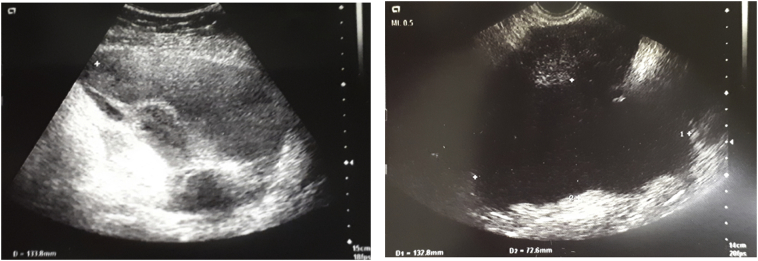
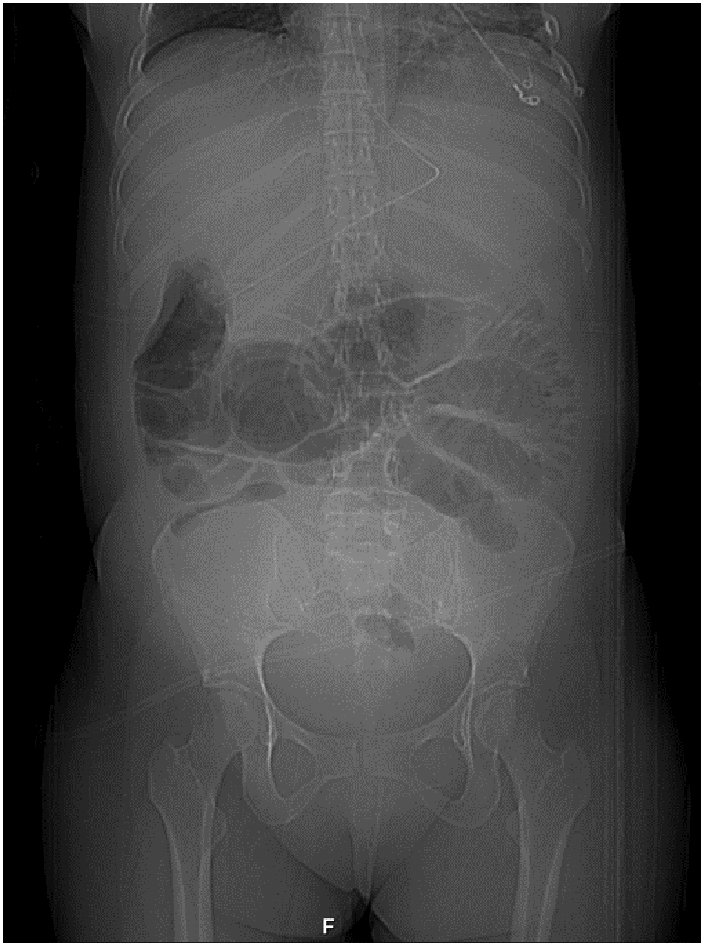
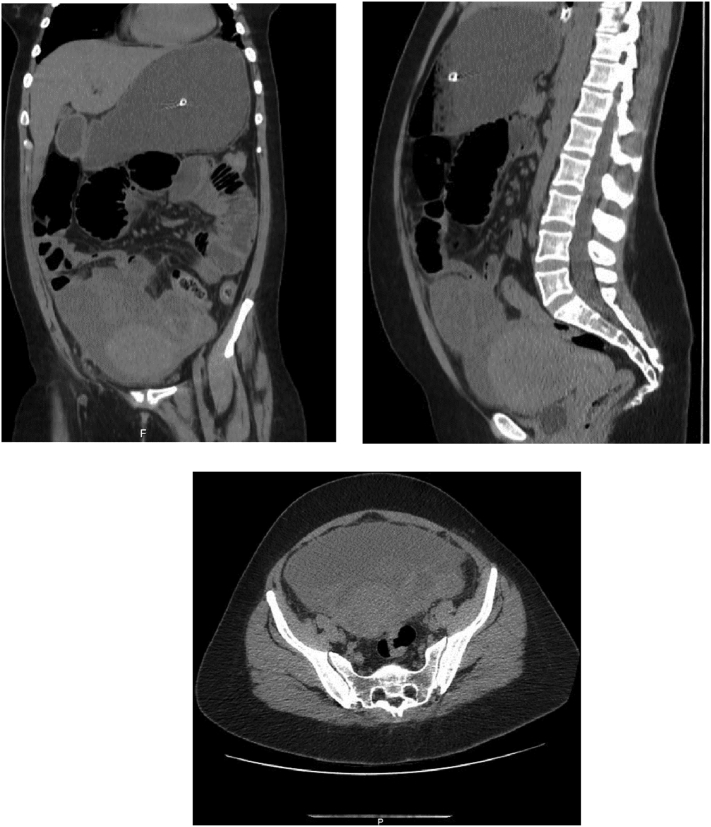
Case presentation: A patient submitted to a diagnostic hysteroscopy with no immediate complications was admitted five days later to the emergency department in septic shock. The diagnosis of ruptured tubal abscess was made, requiring emergency laparotomy with sub-total hysterectomy and bilateral adnexectomy. Despite multiple organ failure requiring admission to the intensive care unit, the patient made a full recovery.
Conclusion: Ascending infection can be a life-threatening complication of hysteroscopy, even in the absence of previously known risk factors.
Keywords: Complications; Hysteroscopy; Multiple organ failure; Risk factors; Sepsis.
© 2020 The Authors.
Figures
References
-
- McGurgan P.M., McIlwaine P. Complications of hysteroscopy and how to avoid them. Best Pract. Res. Clin. Obstetr. Gynecol. 2015-10-01;29(7):982–993. - PubMed
-
- Agostini A., Cravello L., Shojai R., Ronda I., Roger V., Blanc B. Postoperative Infection and surgical hysteroscopy. Fertil. Steril. 2001;77(4):766–768. - PubMed
-
- Thinkhamrop J., Laopaiboon M., Lumbiganon P. Prophylactic antibiotics for transcervical intrauterine procedures. Cochrane Database Syst. Rev. 2007 Jul 18;(3) CD005637. - PubMed
-
- Dellinger P, Roy A, Parillo JE, Severe sepsis and septic shock in Critical Care Medicine: Principles of Diagnosis and Management in the Adult, 24, (323–345.e5).
Publication types
LinkOut - more resources
Full Text Sources
