


A multi-center randomized prospective study on the treatment of infant bronchiolitis with interferon α1b nebulization
- PMID: 32084142
- PMCID: PMC7034796
- DOI: 10.1371/journal.pone.0228391
A multi-center randomized prospective study on the treatment of infant bronchiolitis with interferon α1b nebulization
Erratum in
-
Correction: A multi-center randomized prospective study on the treatment of infant bronchiolitis with interferon α1b nebulization.PLoS One. 2020 Apr 10;15(4):e0231911. doi: 10.1371/journal.pone.0231911. eCollection 2020. PLoS One. 2020. PMID: 32275690 Free PMC article.
Abstract
Background: The respiratory syncytial virus (RSV) is the main cause of bronchiolitis in infants and interferon (IFN) α is a commercial antiviral drug. The nebulization of IFN α1b could be a viable treatment method. In this study, the therapeutic effects and safety of IFN α1b delivery via nebulization in infant bronchiolitis were investigated in this multi-center prospective study.
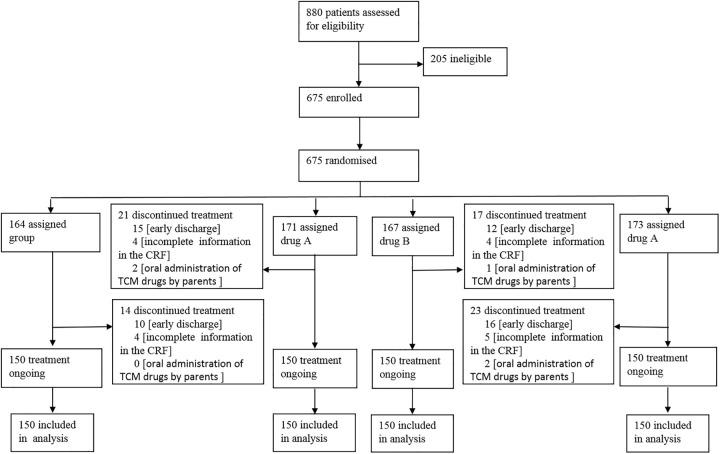
Methods and findings: Bronchiolitis patients admitted to 22 hospitals who met the inclusion criteria were enrolled and randomly allocated to four groups: control, IFN Intramuscular Injection, IFN Nebulization 1 (1 μg/kg), and IFN Nebulization 2 (2 μg/kg) groups. All patients were observed for 7 days. The therapeutic effects and safety of different IFN delivery doses and delivery modes were evaluated. Coughing severity change, as scored by the researchers and parents, between days 1 and 3 was significantly different between the IFN Nebulization 2 and control groups. Lowell wheezing score change between days 3 and 5 was significantly different between IFN Nebulization 1 and control groups. There were no significant differences among the four groups regarding the number of consecutive days with fever, three-concave sign, fatigue and sleepiness, and loss of appetite. There were no cases of severe complications, no recurrence of fever, and no regression of mental status.
Conclusions: IFN-α1b could more effectively alleviate coughing and wheezing in bronchiolitis. IFN-α1b nebulization had significant advantages in shortening the duration of wheezing and alleviating coughing.
Conflict of interest statement
LC was funded by the Support Program of Science & Technology Department of Sichuan Province (No. 2015SZ0152). HL was funded by the Support Program of Science & Technology Department of Sichuan Province (No. 2013SZ0040). The authors have declared that no competing interests exist.
References
-
- Kyu HH, Pinho C, Wagner JA, Brown JC, Bertozzi-Villa A, Charlson FJ, et al. Global and National Burden of Diseases and Injuries Among Children and Adolescents Between 1990 and 2013: Findings From the Global Burden of Disease 2013 Study. JAMA Pediatr. 2016;170:267–87. 10.1001/jamapediatrics.2015.4276 - DOI - PMC - PubMed
-
- Editorial Board, Chinese Journal of Pediatrics, Subspecialty Group of Respiratory Diseases, Society of Pediatrics, Chinese Medical Association. Expert consensus document on diagnosis and treatment of bronchiolitis (2014). Zhonghua Er Ke Za Zhi. 2015;53:168–71. - PubMed
Publication types
MeSH terms
Substances
LinkOut - more resources
Full Text Sources
Miscellaneous
