


Interplay of Human Gut Microbiome in Health and Wellness
- PMID: 32089571
- PMCID: PMC7000599
- DOI: 10.1007/s12088-019-00825-x
Interplay of Human Gut Microbiome in Health and Wellness
Abstract
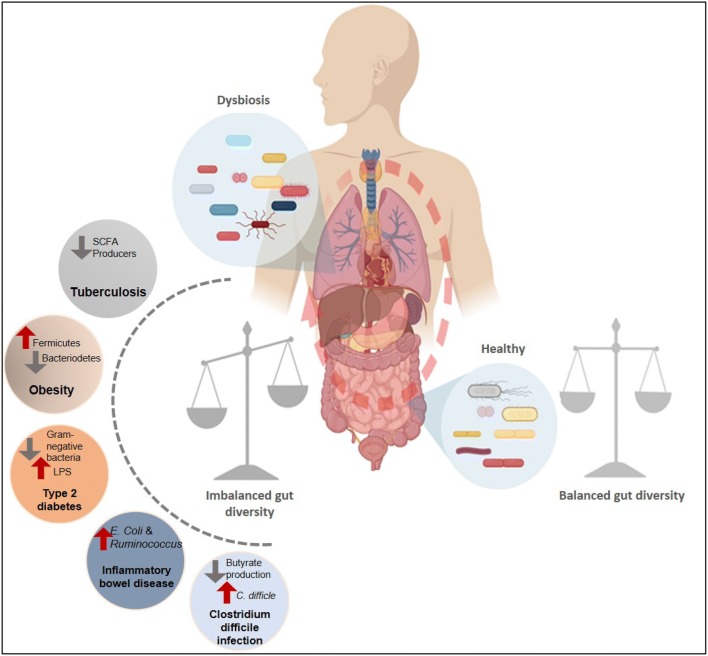
The gut microbiome analysis, with specific interest on their direct impact towards the human health, is currently revolutionizing the unexplored frontiers of the pathogenesis and wellness. Although in-depth investigations of gut microbiome, 'the Black Boxes', complexities and functionalities are yet at its infancy, profound evidences are being reported for their concurrent involvement in disease etiology and its treatment. Interestingly, studies from the 'minimal murine' (Oligo-MM12), 'humanized' microbiota gnotobiotic mice models and patient samples, combined with multi-omics and cell biology approaches, have been revealing the implications of these findings in the treatment of gut dysbiosis associated diseases. Nonetheless, due to the inherent heterogeneity of the gut commensals and their unified co-existence with opportunistic pathobionts, it is utmost essential to highlight their functionalities in 'good or bad' gut in human wellness. We have specifically reviewed dietary lifestyle and infectious diseases linked with the gut bacterial consortia to delineate the ecobiotic approaches towards their treatment. This notably includes gut mucosal immunity mediated diseases such as Tuberculosis, IBD, CDI, Type 2 Diabetes, etc. Alongside of each dysbiosis, we have described the current therapeutic advancements of the pre- and probiotics derived from human microbiome studies to restore gut microbial homeostasis. With a continuous running debate on the role of microbiota in above mentioned diseases, we have collected numerous scientific evidences highlighting a previously unanticipated complex involvement of gut microbiome in the potential of human health.
Keywords: Colonizing opportunistic pathogens; Dysbiosis; Gut microbiome; Infectious diseases; Intestinal immune-mediate diseases; Lifestyle disorders; Pathobionts.
© Association of Microbiologists of India 2019.
Conflict of interest statement
Conflict of interestAuthors declare no conflict of interest.
Figures
References
Publication types
LinkOut - more resources
Full Text Sources
Research Materials