


Impact of Fermentation on the Phenolic Compounds and Antioxidant Activity of Whole Cereal Grains: A Mini Review
- PMID: 32093014
- PMCID: PMC7070691
- DOI: 10.3390/molecules25040927
Impact of Fermentation on the Phenolic Compounds and Antioxidant Activity of Whole Cereal Grains: A Mini Review
Abstract
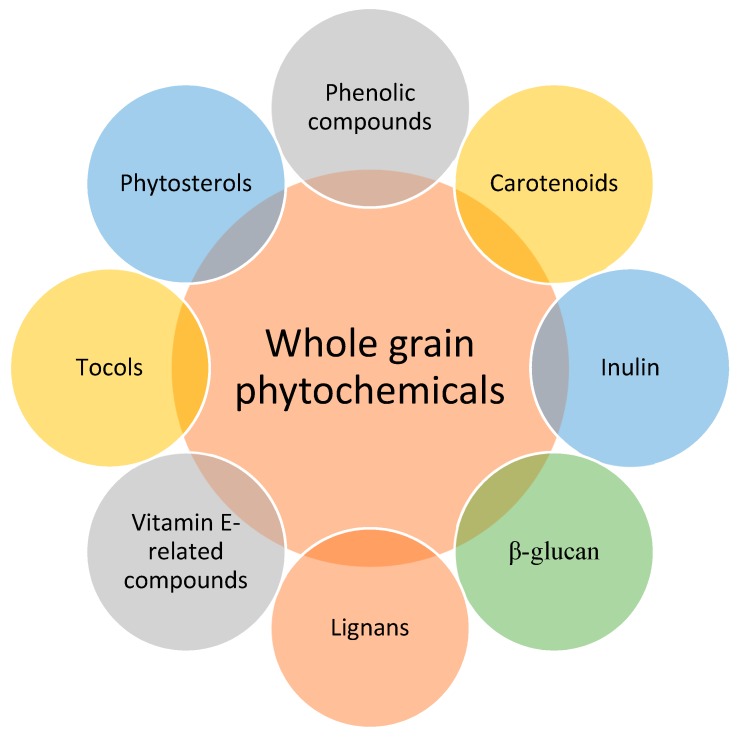
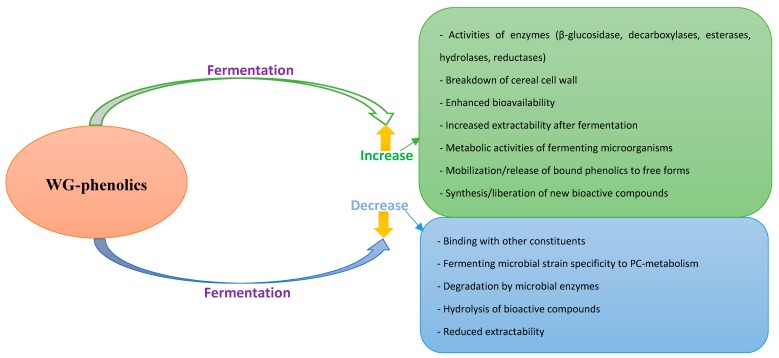
Urbanization, emergence, and prominence of diseases and ailments have led to conscious and deliberate consumption of health beneficial foods. Whole grain (WG) cereals are one type of food with an array of nutritionally important and healthy constituents, including carotenoids, inulin, β-glucan, lignans, vitamin E-related compounds, tocols, phytosterols, and phenolic compounds, which are beneficial for human consumption. They not only provide nutrition, but also confer health promoting effects in food, such as anti-carcinogenic, anti-microbial, and antioxidant properties. Fermentation is a viable processing technique to transform whole grains in edible foods since it is an affordable, less complicated technique, which not only transforms whole grains but also increases nutrient bioavailability and positively alters the levels of health-promoting components (particularly antioxidants) in derived whole grain products. This review addresses the impact of fermentation on phenolic compounds and antioxidant activities with most available studies indicating an increase in these health beneficial constituents. Such increases are mostly due to breakdown of the cereal cell wall and subsequent activities of enzymes that lead to the liberation of bound phenolic compounds, which increase antioxidant activities. In addition to the improvement of these valuable constituents, increasing the consumption of fermented whole grain cereals would be vital for the world's ever-growing population. Concerted efforts and adequate strategic synergy between concerned stakeholders (researchers, food industry, and government/policy makers) are still required in this regard to encourage consumption and dispel negative presumptions about whole grain foods.
Keywords: antioxidant activity; fermentation; fermented foods; health benefits; phenolic compounds; whole grains.
Conflict of interest statement
The authors declare no conflict of interest.
Figures
References
-
- Hallfrisch J., Scholfield D.J., Behall K.M. Blood pressure reduced by whole grain diet containing barley or whole wheat and brown rice in moderately hypercholesterolemic men. Nutr. Res. 2003;23:1631–1642. doi: 10.1016/j.nutres.2003.08.014. - DOI
Publication types
MeSH terms
Substances
LinkOut - more resources
Full Text Sources
Medical
