


Discovery of drugs that directly target the intrinsically disordered region of the androgen receptor
- PMID: 32100577
- PMCID: PMC8693730
- DOI: 10.1080/17460441.2020.1732920
Discovery of drugs that directly target the intrinsically disordered region of the androgen receptor
Abstract
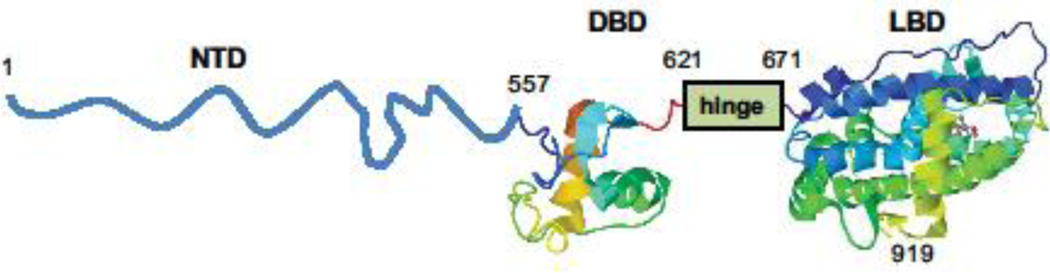
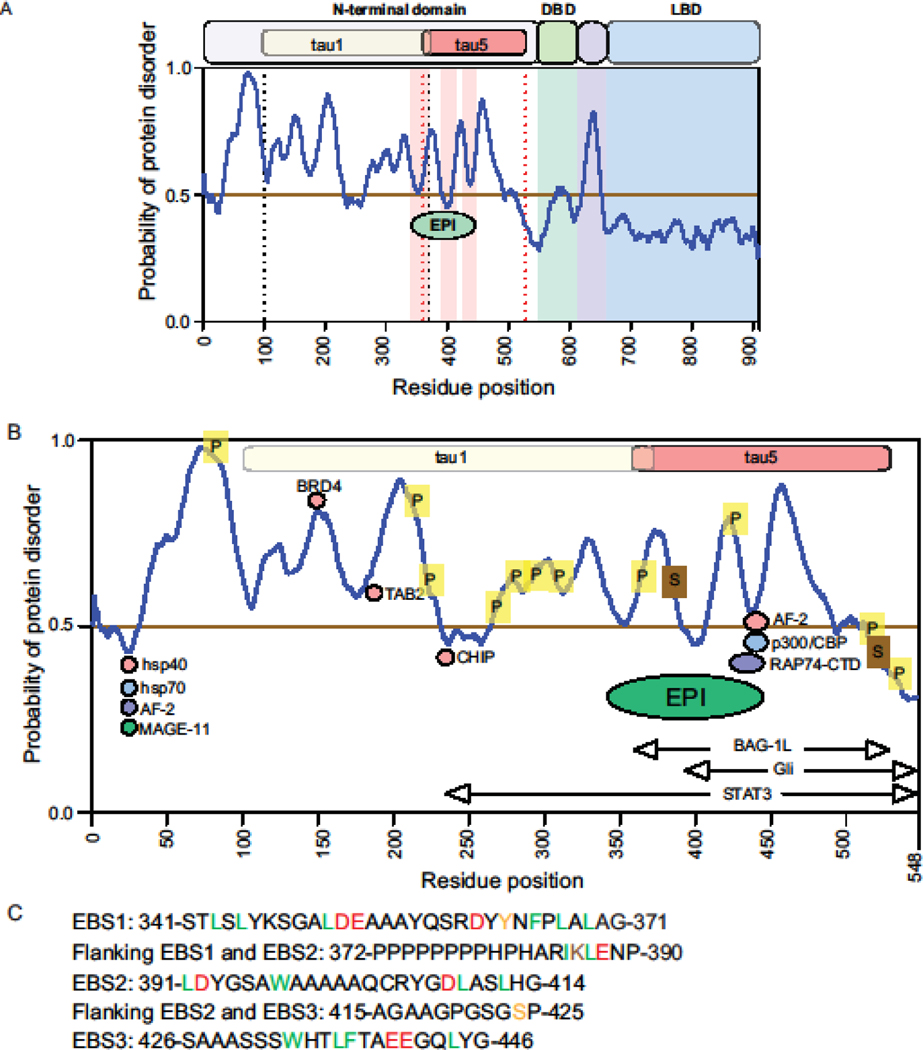
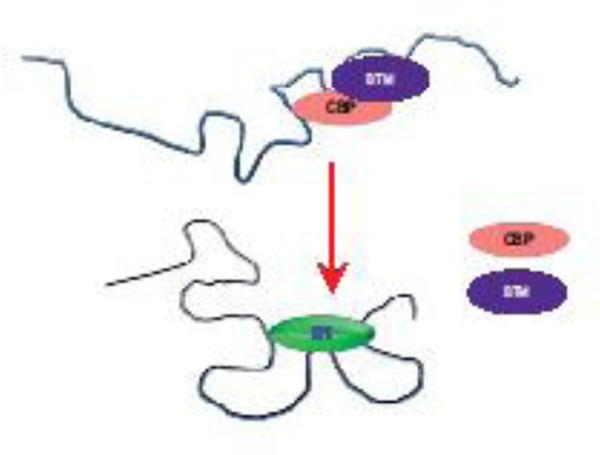
Introduction: Intrinsically disordered proteins (IDPs) and regions (IDRs) lack stable three-dimensional structure making drug discovery challenging. A validated therapeutic target for diseases such as prostate cancer is the androgen receptor (AR) which has a disordered amino-terminal domain (NTD) that contains all of its transcriptional activity. Drug discovery against the AR-NTD is of intense interest as a potential treatment for disease such as advanced prostate cancer that is driven by truncated constitutively active splice variants of AR that lack the C-terminal ligand-binding domain (LBD).Areas covered: This article presents an overview of the relevance of AR and its intrinsically disordered NTD as a drug target. AR structure and approaches to blocking AR transcriptional activity are discussed. The discovery of small molecules, including the libraries used, proven binders to the AR-NTD, and site of interaction of these small molecules in the AR-NTD are presented along with discussion of the Phase I clinical trial.Expert opinion: The lack of drugs in the clinic that directly bind IDPs/IDRs reflects the difficulty of targeting these proteins and obtaining specificity. However, it may also point to an inappropriateness of too closely borrowing concepts and resources from drug discovery to folded proteins.
Keywords: Androgen receptor; EPI-002; N-terminal domain inhibitor; clinical trial; drug discovery; intrinsically disordered protein; mechanism of action; prostate cancer; ralaniten; sintokamides.
Figures
References
-
- Clinckemalie L, Vanderschueren D, Boonen S, et al. The hinge region in androgen receptor control. Mol Cell Endocrinol. 2012;358:1–8 - PubMed
-
- Heery DM, Kalkhoven E, Hoare S, et al. A signature motif in transcriptional co-activators mediates binding to nuclear receptors. Nature. 1997;387:733–6 - PubMed
Publication types
MeSH terms
Substances
Grants and funding
LinkOut - more resources
Full Text Sources
Other Literature Sources
Medical
Research Materials
