


The abscopal effect 67 years later: from a side story to center stage
- PMID: 32101479
- PMCID: PMC7217574
- DOI: 10.1259/bjr.20200042
The abscopal effect 67 years later: from a side story to center stage
Abstract
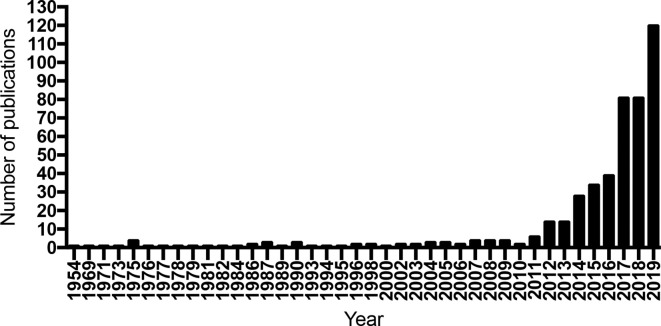
For over a century, ionising radiation has been used to treat cancer based on its cytotoxic effects on tumour cells. Technical progress has enabled more precise targeting of the tumour to reduce normal tissue toxicity while delivering higher radiation doses per fraction of treatment.In 1953, unexpected regression in lesions outside of the irradiated field were noted by an observant physician, RH Mole, who named such phenomenon "abscopal effect" from the Latin ab (position away from) and scopus (mark or target), in an article published in this journal. Clinical abscopal responses have been reported over the years but because of their very rare occurrence they could not be methodically studied, remaining akin to a curiosity. Nevertheless, their occurrence has ignited interest in studying the systemic effects of radiotherapy. Progress in dissecting the mechanisms that govern the function of the immune system in cancer has enabled to study the implication of immunity in the abscopal effect of radiation. It has become clear that ionising radiation activates canonical pathways of response to viral infections, and can stimulate antitumour immunity. These immune stimulatory effects of radiation have become clinically relevant in the current era of cancer immunotherapy, rendering abscopal responses in patients an attainable aim. Here, we will briefly review the parallel evolutions of two separate fields of medicine, radiation therapy and cancer immunology, and discuss their therapeutic partnership.
Conflict of interest statement
Figures
References
Publication types
MeSH terms
Grants and funding
LinkOut - more resources
Full Text Sources
Medical
